Healing ravines: Revival of guggul helps revive Chambal's barren lands
Resumen detallado
The Chambal ravines of Madhya Pradesh are infamous as dacoit hideouts across the country. For people living near them, though, the ravines’ notoriety has more l ...
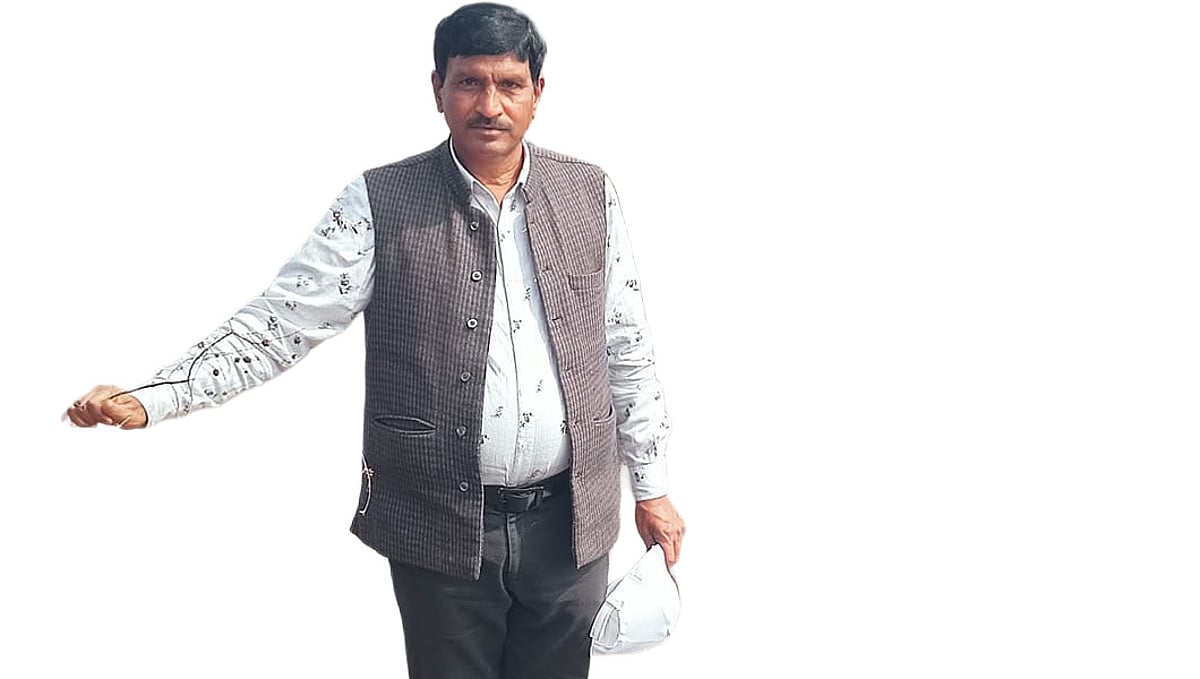
The Chambal ravines of Madhya Pradesh are infamous as dacoit hideouts across the country. For people living near them, though, the ravines’ notoriety has more layers. Riddled with rugged slopes, the barren ravines are unsuitable for traditional agriculture, leaving local farmers with limited resources and livelihood opportunities. Two decades ago, Zakir Hussain strived to change this by reintroducing an economically viable tree once abundant here—guggul.
Also known as the Indian bdellium or Commiphora wightii, guggul is a flowering thorny shrub highly valued for its gum or resin. In Ayurveda, guggul gum helps manage cholesterol, reduce joint arthritic inflammation and aid weight loss. According to journals published by the Indian Council of Agricultural Research, the species is critically endangered in India due to exploitation.
For Hussain, born in Bamsoli village of Morena district, guggul was a common sight four to five decades ago. "Local communities would extract large quantities of gum by making deep incisions in trees using chemical techniques. Some 1-15 kg of gum was obtained at a time,” he recalls.
The species has environmental advantages too, Hussain explains, as it does not require heavy irrigation and survives in drylands. The tree’s average lifespan is 70 years, and animals do not eat it. “But all benefits were lost in the pursuit of profit. Within a few years, thousands of guggul plants were destroyed,” he says.
Hussain did not grasp the impact of the vanishing guggul in Morena until 2004, while engaged as a social worker for panchayati raj, women’s welfare and environmental issues. During a discussion with some farmers on the banks of the Chambal river, he learned that exploitation and ravine erosion destroyed all the guggul plants in the area, dealing a huge blow to people’s income.
This prompted Hussain to mount a revival initiative. He founded a social service organisation, Sujagriti, with guidance from B M S Rathore, then member-secretary of the state…
Inicio del artículo, extracto de Down To Earth. Para leer el resto, abra el artículo en el sitio del medio.
MarketNews muestra el titular y el resumen publicados por el medio. El artículo completo se lee en el sitio del editor. (www.downtoearth.org.in)