How the US, China and Russia are competing for Africa’s mineral wealth

Resumen detallado
The US, China and Russia are vying for Africa’s mineral wealth, raising questions about who stands to benefit.
From cobalt mines in the Democratic Republic of the Congo (DRC) to lithium deposits in Mali and uranium reserves in Niger, Africa’s mineral wealth is becoming an increasingly important arena of competition between the United States, China and Russia.
China dominates several critical mineral supply chains, while Russia has expanded its influence through security partnerships, particularly in the Sahel. The US, meanwhile, is seeking to secure access to strategic resources through diplomacy, investment and infrastructure projects.
The rivalry extends beyond mining to ports, railways and trade routes connecting Africa’s resources to global markets.
But as foreign powers compete for access, what do African countries stand to gain?
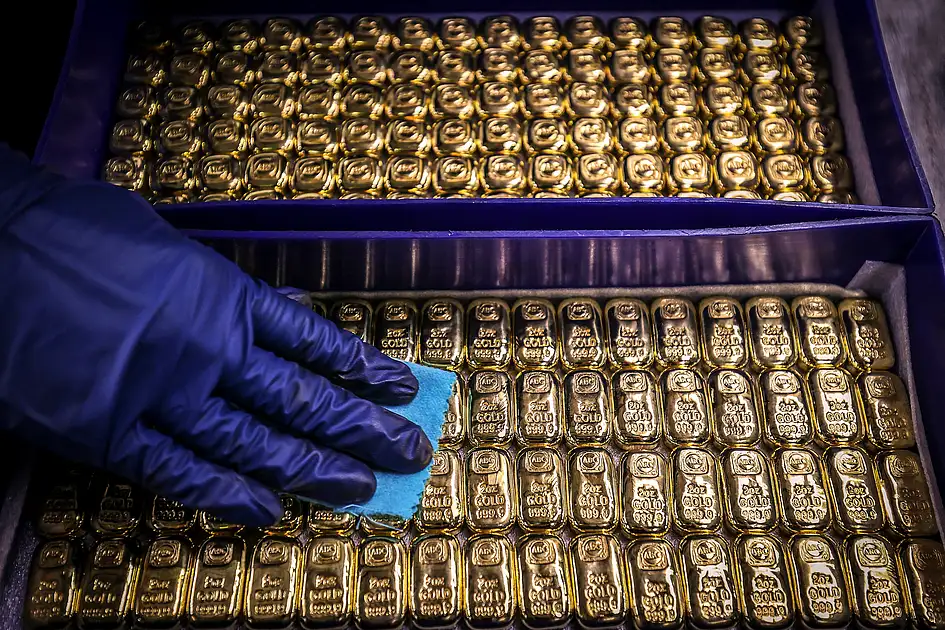
Africa holds substantial deposits of cobalt, lithium, copper and uranium, resources vital to industries ranging from electric vehicles and renewable energy to advanced technology and defence.
For Washington, securing critical minerals has become a strategic priority amid concerns about dependence on China.
In February, President Donald Trump announced Project Vault, a $12bn initiative to establish a strategic mineral stockpile for US industries.
China has spent years investing in African mining, processing and infrastructure.
Trade between China and Africa reached a record $348bn last year, according to Chinese customs statistics, cementing Beijing’s position as the continent’s largest trading partner.
Inicio del artículo, extracto de Al Jazeera. Para leer el resto, abra el artículo en el sitio del medio.
MarketNews muestra el titular y el resumen publicados por el medio. El artículo completo se lee en el sitio del editor. (www.aljazeera.com)