Explainer: What Is Black Rain and What Threats Does It Pose to People and the Planet?
Resumen detallado
Following recent US-Israeli airstrikes on oil facilities near Tehran, Iran’s capital, black rain blanketed the city. Earth.Org looks at what it is and the threats it poses. As…
Following recent US-Israeli airstrikes on oil facilities near Tehran, Iran’s capital, black rain blanketed the city. Earth.Org looks at what it is and the threats it poses.
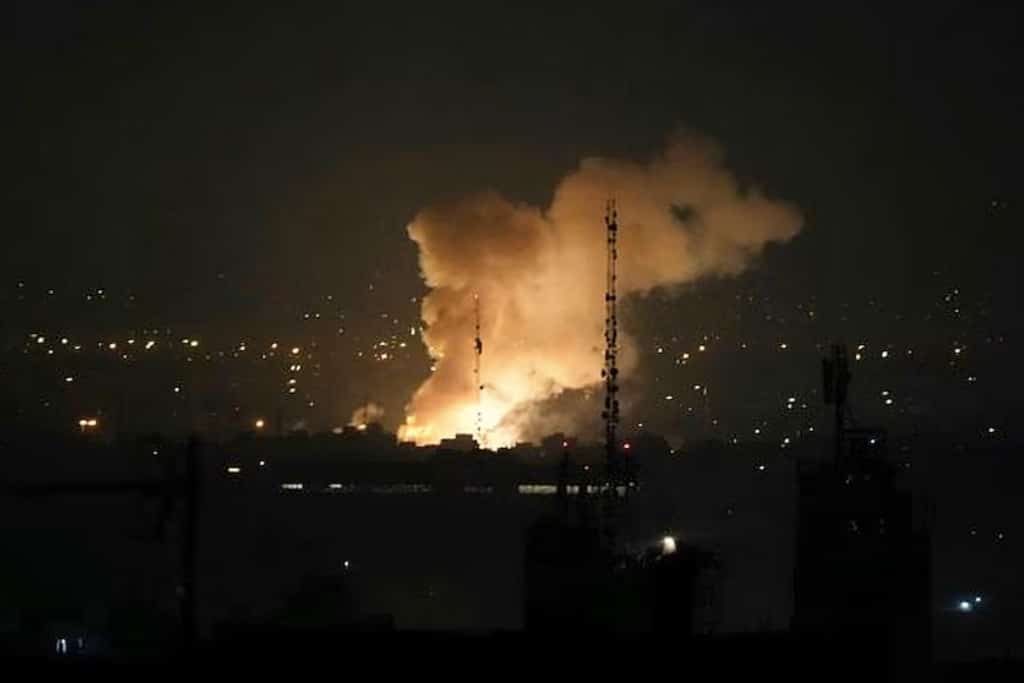
As part of a coordinated attack on Iran by the US and Israel, which began on February 28, at least four oil facilities around the Iranian capital of Tehran have reportedly been targeted. The release of chemicals from these facilities, resulting from the incomplete combustion of oil, has led to the emission of soot particles, carbon monoxide, and nitrogen oxides. Combined with the accumulation of dust and debris from the ongoing conflict, these pollutants have created conditions conducive to the formation of black rain.
This phenomenon, however, is not unprecedented. Historical accounts of black rain date back to the atomic bombings of Hiroshima and Nagasaki in 1945. Similar occurrences were reported during the Gulf War in 1990, when massive oil fires in Kuwait darkened the skies, and again in 2019, when São Paulo experienced darkened rainfall linked to intense biomass burning in the South American hinterland. These episodes, affecting millions of people worldwide, are often closely tied to large-scale human activities, particularly those involving conflict or environmental degradation.
Black acid rain is a toxic mixture of fuel byproducts and atmospheric condensation. It is a rare atmospheric phenomenon that occurs when rain takes on a dark appearance due to the presence of large amounts of suspended matter, such as soot, ash or oil droplets in the atmosphere. In most cases, this phenomenon occurs through the burning of fuels like biomass and crude oil, which release a number of different environmental contaminants, including sulfur dioxide, carbon dioxide, carbon monoxide, nitrogen oxides, volatile organic compounds, polycyclic aromatic hydrocarbons, hydrogen sulfide, and soot.
Once released into the atmosphere, the toxic pollutants mix and react with water, oxygen and other chemicals in clouds…
Clou…
Inicio del artículo, extracto de Earth.Org. Para leer el resto, abra el artículo en el sitio del medio.
MarketNews muestra el titular y el resumen publicados por el medio. El artículo completo se lee en el sitio del editor. (earth.org)