Rumi is one of America’s most popular poets
Resumen detallado
Every December, thousands of visitors gather in Konya, Turkey, to mark the death of the 13th-century poet Jalal al-Din Rumi. His followers call the night “Shab-e ‘Arūs,” the…
Every December, thousands of visitors gather in Konya, Turkey, to mark the death of the 13th-century poet Jalal al-Din Rumi. His followers call the night “Shab-e ‘Arūs,” the wedding night, and it is the moment they believe he was united with God.
Following Rumi’s death in 1273, his disciples formed the Mevlevi order, a Sufi brotherhood whose members are known in the West as the “whirling dervishes.” A dervish, from a Persian word for a poor person, is a member of a Sufi order who has committed to a life of spiritual discipline under a teacher. The Mevlevi order spread, and its lodges became centers of music and poetry. Mevlevi musicians helped shape Ottoman classical music, and the whirling dervish remains one of Turkey’s most recognizable cultural symbols today.
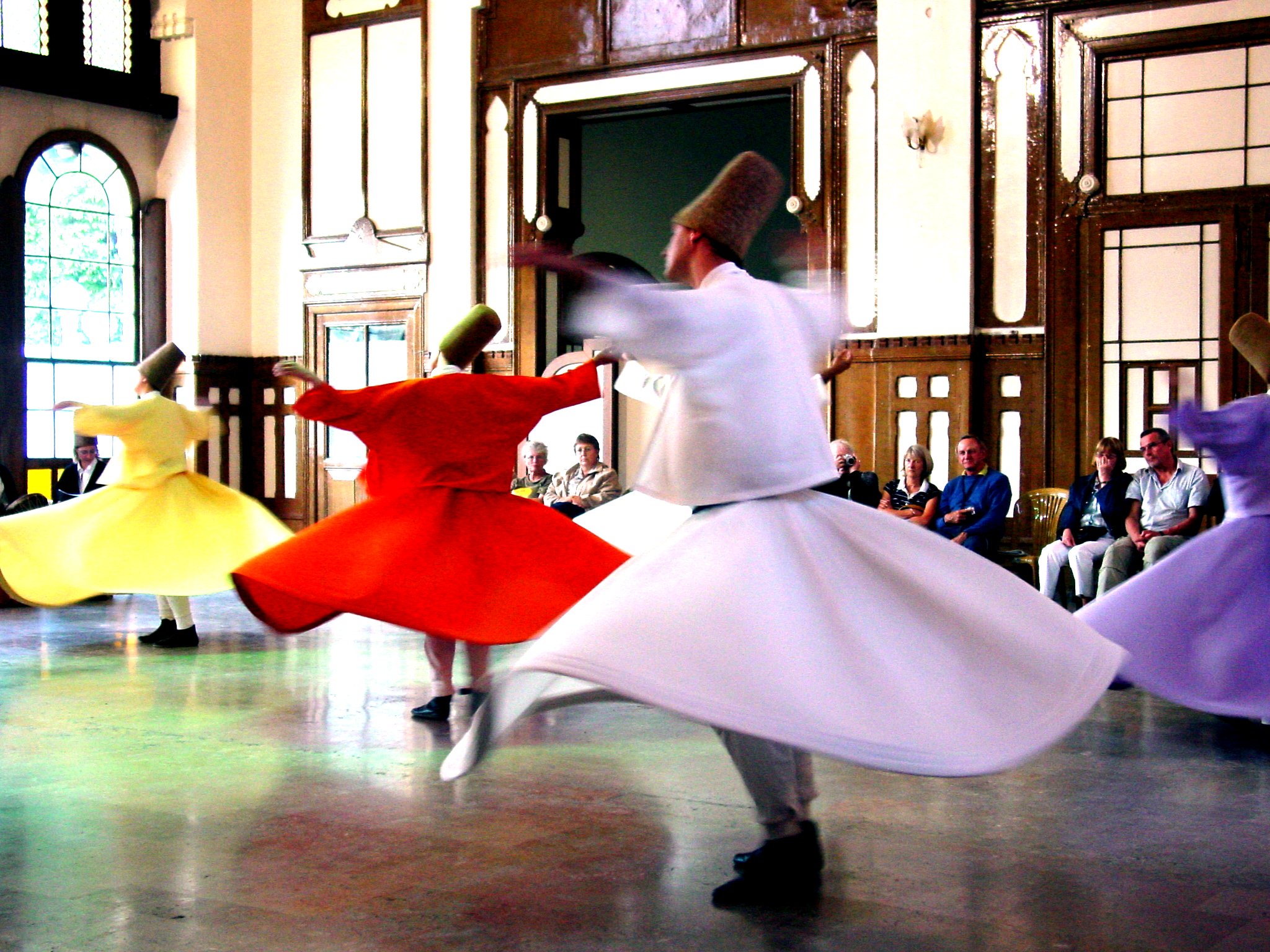
On the anniversary of Rumi’s death, white-robed dervishes perform a ceremony known as Sema. The ceremony opens with a hymn praising the Prophet Muhammad, followed by the sound of the “ney,” or reed flute. Accompanied by drums and chanted poetry, the dervishes then turn slowly around the hall, right palm raised to receive God’s blessing and left palm lowered to pass it on to others. For the Mevlevis, the whirling is not a performance but a form of worship, a remembrance of God carried out with the whole body.
In the United States, thousands of miles away, the same poet’s words appear on wedding programs, yoga studio walls and social media feeds. Rumi is one of the best-selling poets in the US. Despite this, many Americans may not know how deeply the Muslim legal scholar and preacher’s poetry is steeped in religion.
As a scholar of Sufism, the mystical tradition within Islam, I see a gap between these two Rumis – the Muslim mystic revered in Konya and the spiritual sage quoted on Instagram. The popular English translations that made Rumi famous strip the spiritual depth of his writing, which comes from his Islamic faith.
Rumi was born in 1207 in Balkh, in present-day Afghanistan.
Like his father, the preacher Baha…
Inicio del artículo, extracto de Asia Times. Para leer el resto, abra el artículo en el sitio del medio.
MarketNews muestra el titular y el resumen publicados por el medio. El artículo completo se lee en el sitio del editor. (asiatimes.com)