How the Iran war is reshaping the US military presence in the Middle East

Resumen detallado
Experts say fallout from the war and domestic opposition could force a smaller permanent presence in the Middle East.
The United States military presence across the Middle East is sprawling.
There are as many as 50,000 US troops and about 19 major military installations in the region, as well as assets spread across countries such as Bahrain, Jordan and Saudi Arabia.
But experts warn that the US-Israel war on Iran has exposed vulnerabilities in protecting Washington’s military assets in the region, leading some to speculate that a downsizing may occur once the war is over.
Michael O’Hanlon, senior fellow at the Brookings Institution, a Washington-based think tank, is among those who expect the US to eventually scale back its military presence in the Middle East.
“I think we will go smaller, more dispersed, more hardened, and generally further away from Iran — but not in each and every case,” O’Hanlon said.
As the war enters its 10th month on Saturday, the damage inflicted on US installations in the Middle East could one day translate into a strategic shift — not just for the US but for other countries that have been shaped by its military presence as well.
One of the long-term obstacles to maintaining the US military presence will be the cost of repairs.
Repairing damaged infrastructure on US bases in the region could cost $9.4b, according to the Center for Strategic and International Studies, a Washington, DC-based think tank.
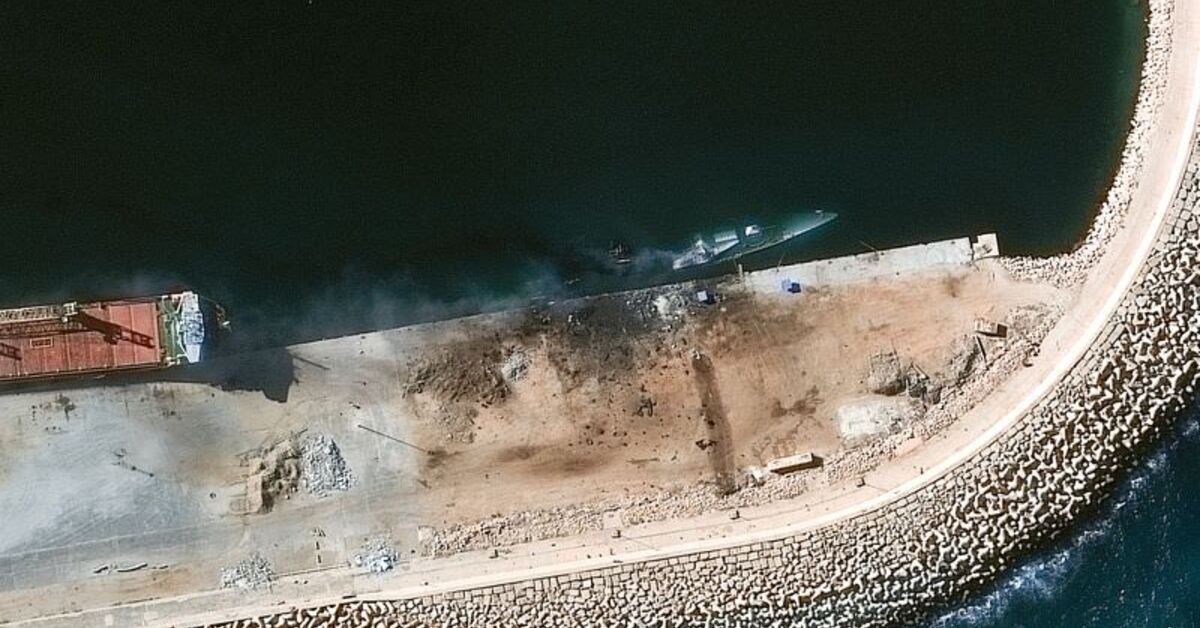
Hundreds of structures on US bases have been damaged by Iranian attacks since February 28, when the war began.
Inicio del artículo, extracto de Al Jazeera. Para leer el resto, abra el artículo en el sitio del medio.
MarketNews muestra el titular y el resumen publicados por el medio. El artículo completo se lee en el sitio del editor. (www.aljazeera.com)