Global vaccine group aims to buy 1.5 million doses of new Ebola Bundibugyo shot for Congo
Resumen detallado
The vaccine, developed by Britain’s University of Oxford and the Serum Institute of India, is in trials in the Democratic Republic of Congo. Read more at straitstimes.com.
Because the vaccine does not yet have an official approval from regulators, it would be rolled out under “expanded access” protocols for emergencies.
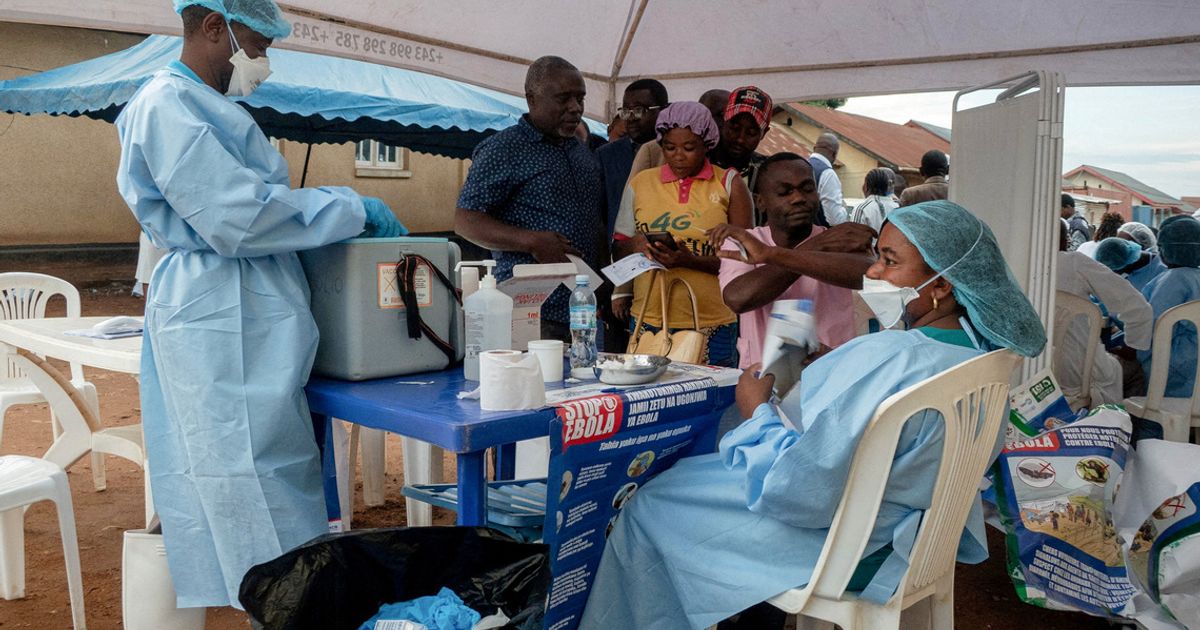
ADDIS ABABA – The global vaccine alliance Gavi said on Nov 24 it plans to buy up to 1.5 million doses of an experimental new vaccine against the rare species of the Ebola virus responsible for a huge outbreak in Congo, if it proves to be safe and effective.
The vaccine, developed by Britain’s University of Oxford and the Serum Institute of India, is in trials in the Democratic Republic of Congo.
So far, there are no licensed treatments or vaccines for the Bundibugyo species of Ebola, which has caused the outbreak that has killed more than 5,700 people in Congo.
Gavi, which helps the world’s poorest countries buy emergency shots as well as childhood immunisations, did not disclose the financial terms of the deal.
It has already given US$40 million (S$51.64 million) to help speed up the development of vaccines for Bundibugyo.
Gavi’s chief executive Sania Nishtar said that the deal represented only the first step, and urged other health agencies to step up with more funding and to quickly draw up protocols for rolling out the vaccine if it is shown to be effective.
Because the vaccine does not yet have an official approval from regulators, it would be rolled out under “expanded access” protocols for emergencies, which require clear guidelines and follow-up procedures from the World Health Organisation.
“We have now secured the doses, but in order for those doses to get into arms, the regulatory pathway has to be all set and clear, and so we are hoping the WHO will do it as soon as possible,” Nishtar told Reuters at an Africa Centres for Disease Control and Prevention event in Addis Ababa.
Inicio del artículo, extracto de The Straits Times. Para leer el resto, abra el artículo en el sitio del medio.
MarketNews muestra el titular y el resumen publicados por el medio. El artículo completo se lee en el sitio del editor. (www.straitstimes.com)