Trump unveils US$17 billion of Southeast Asia deals for US firms, White House says
Resumen detallado
The deals include Boeing and GE Aerospace finalising a US$12 billion sale of 20 Boeing 787 aircraft to Philippine Airlines, as well as support for AI development programmes in…
The deals include Boeing and GE Aerospace finalising a US$12 billion sale of 20 Boeing 787 aircraft to Philippine Airlines, as well as support for AI development programmes in Malaysia and Brunei.
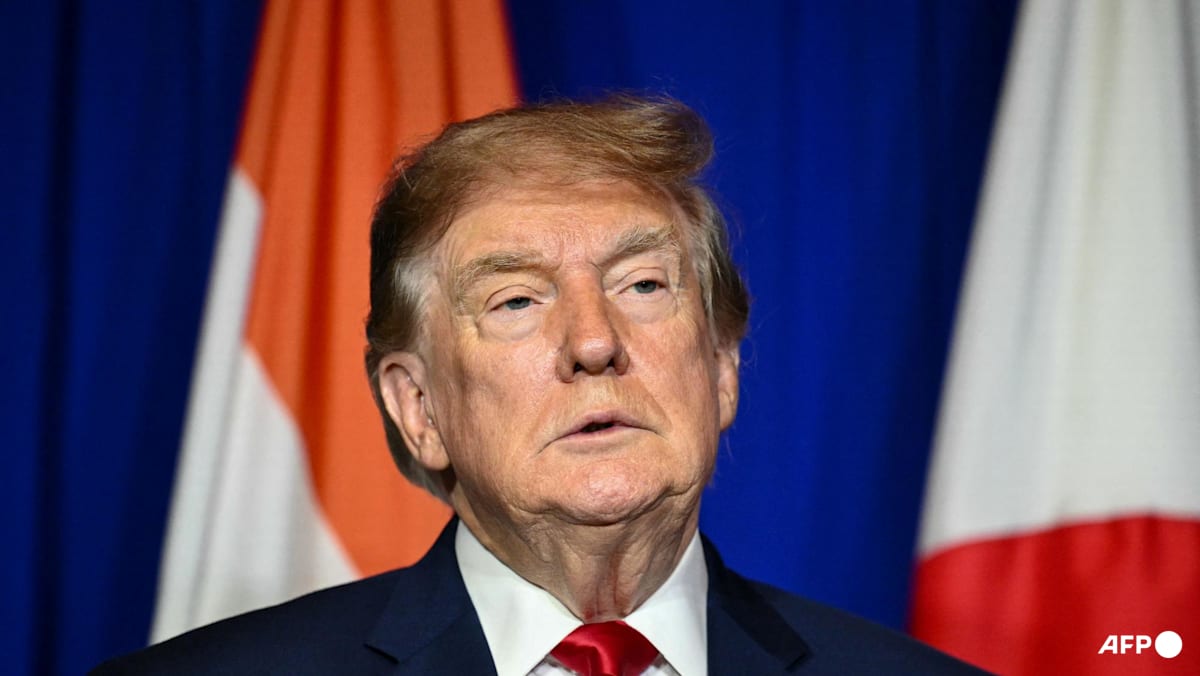
KUALA LUMPUR: US President Donald Trump announced more than US$17 billion in commercial deals and strategic investments for US companies in Southeast Asia, following a two-day working visit to the Philippines for the ASEAN Summit, the White House said.
The deals include Boeing and GE Aerospace finalising a US$12 billion sale of 20 Boeing 787 aircraft to Philippine Airlines, the White House said in a statement late Wednesday (Nov 18).
Washington and Manila will also pursue more than US$2 billion in US financing for Philippine defence purchases, with the United States providing US$400 million to support military operations in the South China Sea, it said.
Subic Grain will build a US$40 million fuel depot at Subic Bay, while the Philippines will modernise Basco Airport to improve military access, disaster response and supply chains.
Thailand plans to spend up to US$123 million on US-made High Mobility Artillery Rocket Systems (HIMARS), potentially the first such deal in mainland Southeast Asia, the statement said.
In Indonesia, Latitude Energy and sovereign wealth fund Danantara are negotiating a US$2 billion coal project using US technology, it said.
The Navajo Transitional Energy Company signed a three-year US$100 million deal to supply coal to a unit of Malaysia's national power utility, Tenaga Nasional Berhad, the White House said.
The US also pledged support for artificial intelligence development programmes in Malaysia and Brunei.
Inicio del artículo, extracto de CNA. Para leer el resto, abra el artículo en el sitio del medio.
MarketNews muestra el titular y el resumen publicados por el medio. El artículo completo se lee en el sitio del editor. (www.channelnewsasia.com)