Western Melbourne jobless rate hits pandemic-era high
Résumé détaillé
Unemployment in the Wyndham area of Melbourne has surged to 8 per cent as almost 80,000 national jobs vanish, fuelling expectations of an August Reserve Bank rate cut.
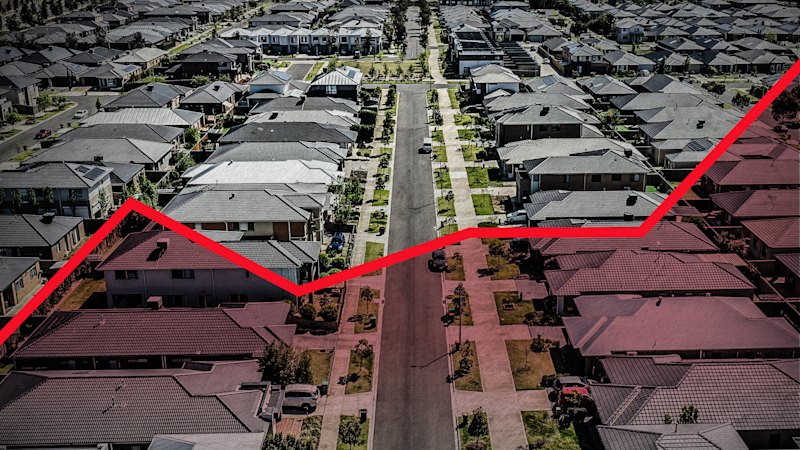
Unemployment in Melbourne’s outer western suburbs has climbed to its highest level since the depths of the pandemic as higher interest rates and inflation combine to weaken the jobs market and squeeze family budgets.
Even as evidence grow that the AI data construction boom is approaching levels not seen since the mining boom of the early 2010s, figures from the Bureau of Statistics show that in the Wyndham area the unemployment rate has reached 8 per cent, with surrounding suburbs not far behind.
The national unemployment rate reached 4.9 per cent in October, with the country shedding almost 80,000 jobs over the past two months. Despite inflation hitting 4.9 per cent in October, financial markets believe the Reserve Bank will start cutting interest rates from August to support the rapidly softening jobs market.
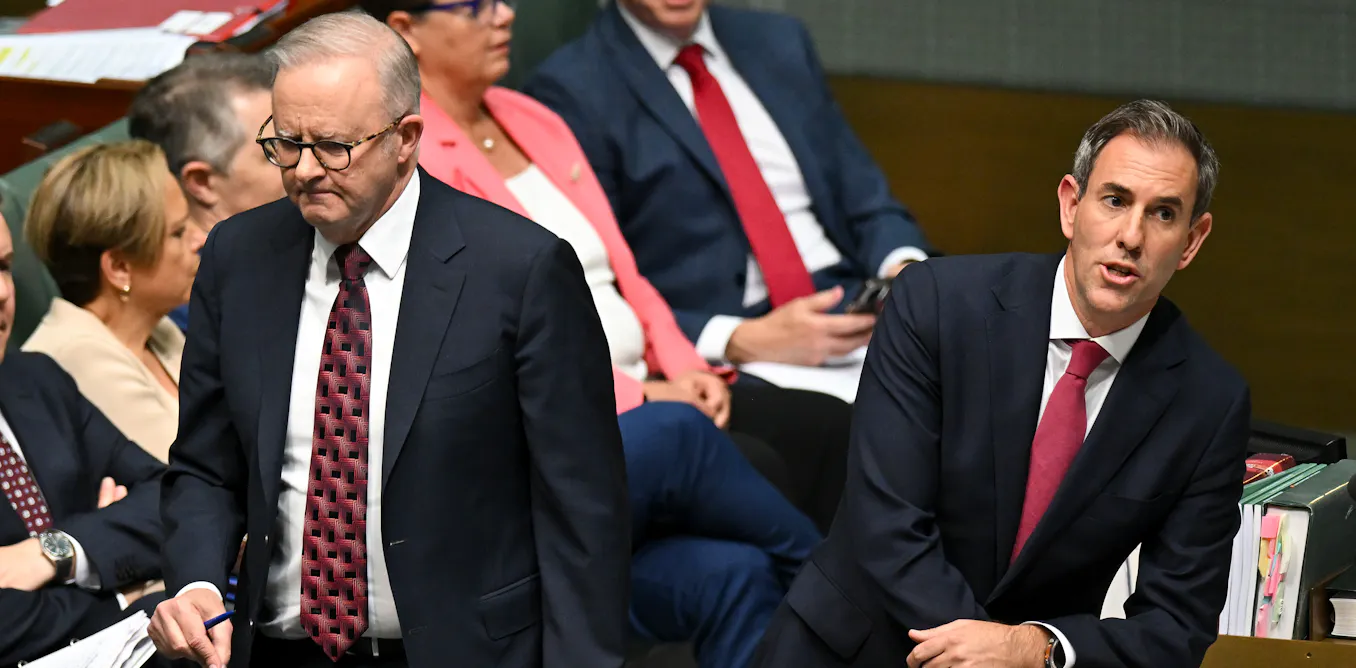
This week, Treasurer Jim Chalmers said his mid-year budget update will show that Treasury expects unemployment is likely to climb above 5 per cent in 2027.
The combination of high unemployment and inflation has sharply lifted pressure on Chalmers to unveil spending cuts in next month’s budget update, with the opposition demanding the treasurer be sacked.
The regional unemployment figures from the bureau highlight that parts of the country are already dealing with job losses before the full impact of the Reserve Bank’s most recent rate hikes filter through the economy.
In Wyndham, which covers suburbs including Hoppers Crossing, Werribee and Wyndham Vale, the number of people out of work has climbed by 3500 or more than 27 per cent over the past 12 months.
The jobless rate in the area had fallen to 6.4 per cent in December, but it has spiralled to 8 per cent since the RBA started tightening monetary policy.
In neighbouring Brimbank, the unemployment rate has climbed to 6.7 per cent from 5.6 per cent, with the number of people out of work climbing by a fifth or 1300 people.
Début de l'article, extrait de The Sydney Morning Herald. Pour lire la suite, ouvrez l'article chez le média.
MarketNews présente le titre et le résumé publiés par le média. L'article complet se lit sur le site de l'éditeur. (www.smh.com.au)