How a System Works — or Does Not
Resumen detallado
An 81-year-old resident repeatedly petitioned municipal officials over waterlogging outside his home. The complaint reached sanction and tender stages but was twice marked…
I am 81. My wife is three years younger. We live in a modest house in a city. Our children are away — two abroad and another in a different city. We therefore manage largely on our own.
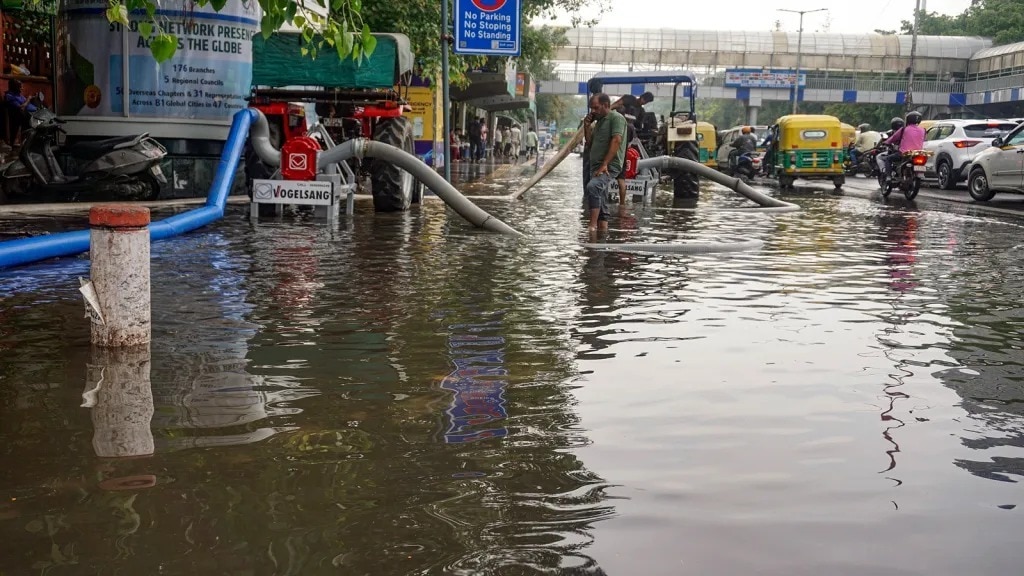
For more than three years, we have been living with a seemingly minor but persistent civic problem. Whenever it rains, water accumulates on the road immediately in front of our house. When it eventually recedes, it leaves behind mud and slush.
At our age, this can virtually confine us to the house during periods of waterlogging. Morning walks become impossible. Even stepping outside has to be done with care. Our domestic help has to negotiate the accumulated water to enter the house.
I recount this experience not merely as a personal grievance, but as a case study of how a public grievance-redressal system works — or fails to work.
The problem began around September 2023. Initially, I approached the local sanitary staff. My verbal requests continued until September 2024.
From October 2024, I began sending written representations through WhatsApp and email to the Municipal Commissioner, the Zonal Commissioner and engineering officials of the Municipal Corporation.
On October 16, 2024, the Ward Sanitary Inspector assured me that the site would be inspected the following day along with the concerned Assistant Engineer.
My subsequent WhatsApp messages mostly received the following standard response:
The response came promptly. What did not come was any indication that my grievance had been formally registered in a system where it could be identified and tracked.
Inicio del artículo, extracto de India Today. Para leer el resto, abra el artículo en el sitio del medio.
MarketNews muestra el titular y el resumen publicados por el medio. El artículo completo se lee en el sitio del editor. (www.indiatoday.in)