‘Sinking’ African megacities will expose seven million people to flooding by 2050
Resumen detallado
Sinking land and rising seas could expose more than seven million people living in Africa’s coastal “megacities” to flooding by… The post ‘Sinking’ African megacities will expose…
Sinking land and rising seas could expose more than seven million people living in Africa’s coastal “megacities” to flooding by the middle of the century, according to new research.
The analysis, published in Science Advances, combines satellite data with projections of sea level rise to assess the risk of flooding in 20 of Africa’s most populous coastal cities.
The study finds that, under a moderate warming scenario, an “extreme sea level event” – when sea levels are unusually high due to short-term changes in weather and ocean conditions – could expose a million buildings and $180bn of assets to flooding.
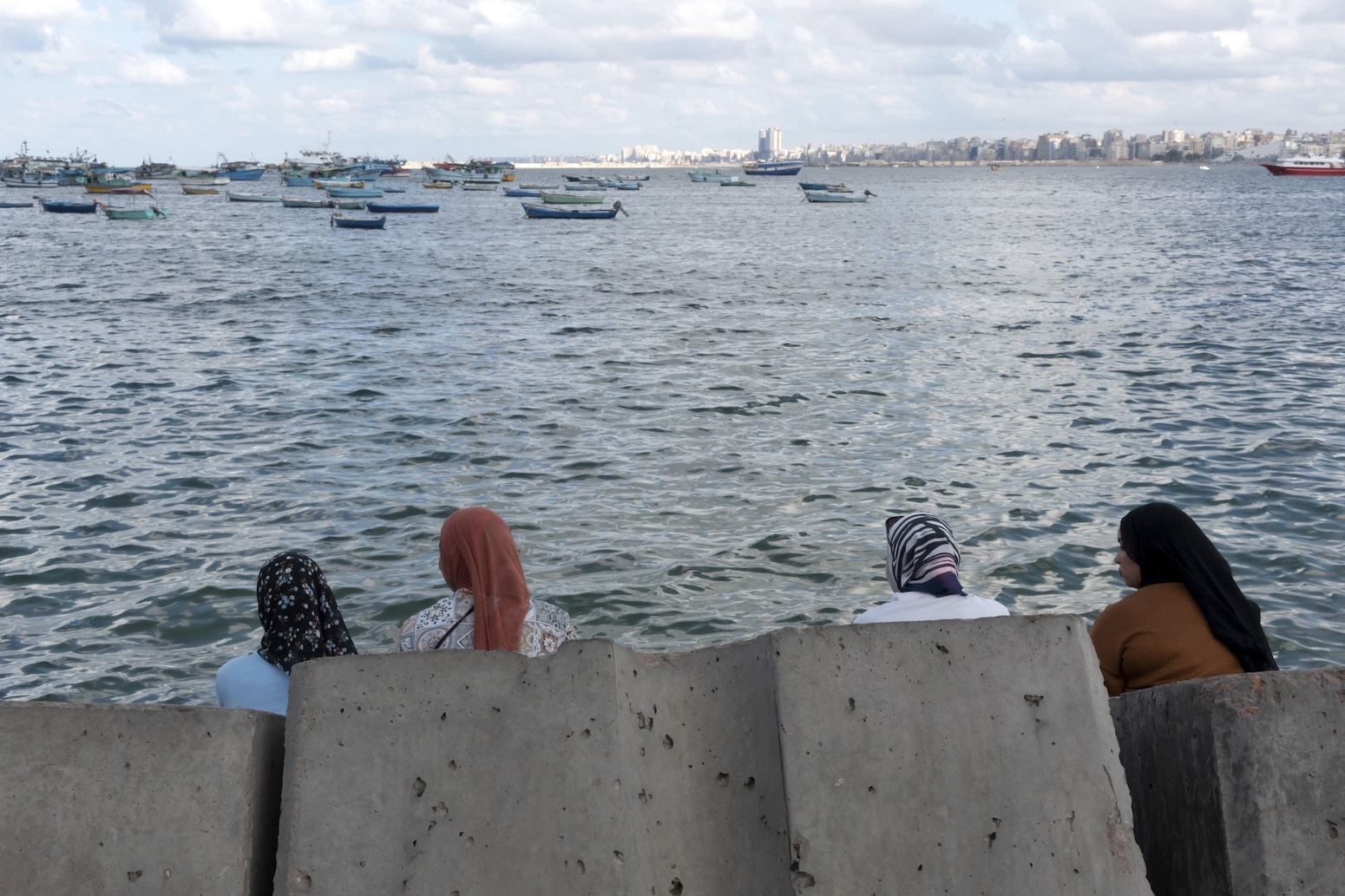
Lagos, the capital of Nigeria, and Alexandria in Egypt are the most vulnerable cities in the analysis.
In these two cities alone, five million people and $150bn in assets could be exposed to flooding and the cities by mid-century.
Human activity, such as pumping groundwater or drilling for fossil fuels, can cause the ground to sink, in a process called “subsidence”.
Seismic or volcanic activity can also drive changes in the height of the land, causing it to either rise or fall. This “vertical land movement” can either alleviate or exacerbate the effects of sea level rise.
The researchers combined more than 4,000 satellite images of Africa’s coastline to determine how quickly different regions are rising or sinking.
They identified Lagos and Alexandria as “subsidence hotspots”, finding that the two cities are sinking at rates of 5.2mm and 6.3mm per year, respectively.
Inicio del artículo, extracto de Carbon Brief. Para leer el resto, abra el artículo en el sitio del medio.
MarketNews muestra el titular y el resumen publicados por el medio. El artículo completo se lee en el sitio del editor. (www.carbonbrief.org)