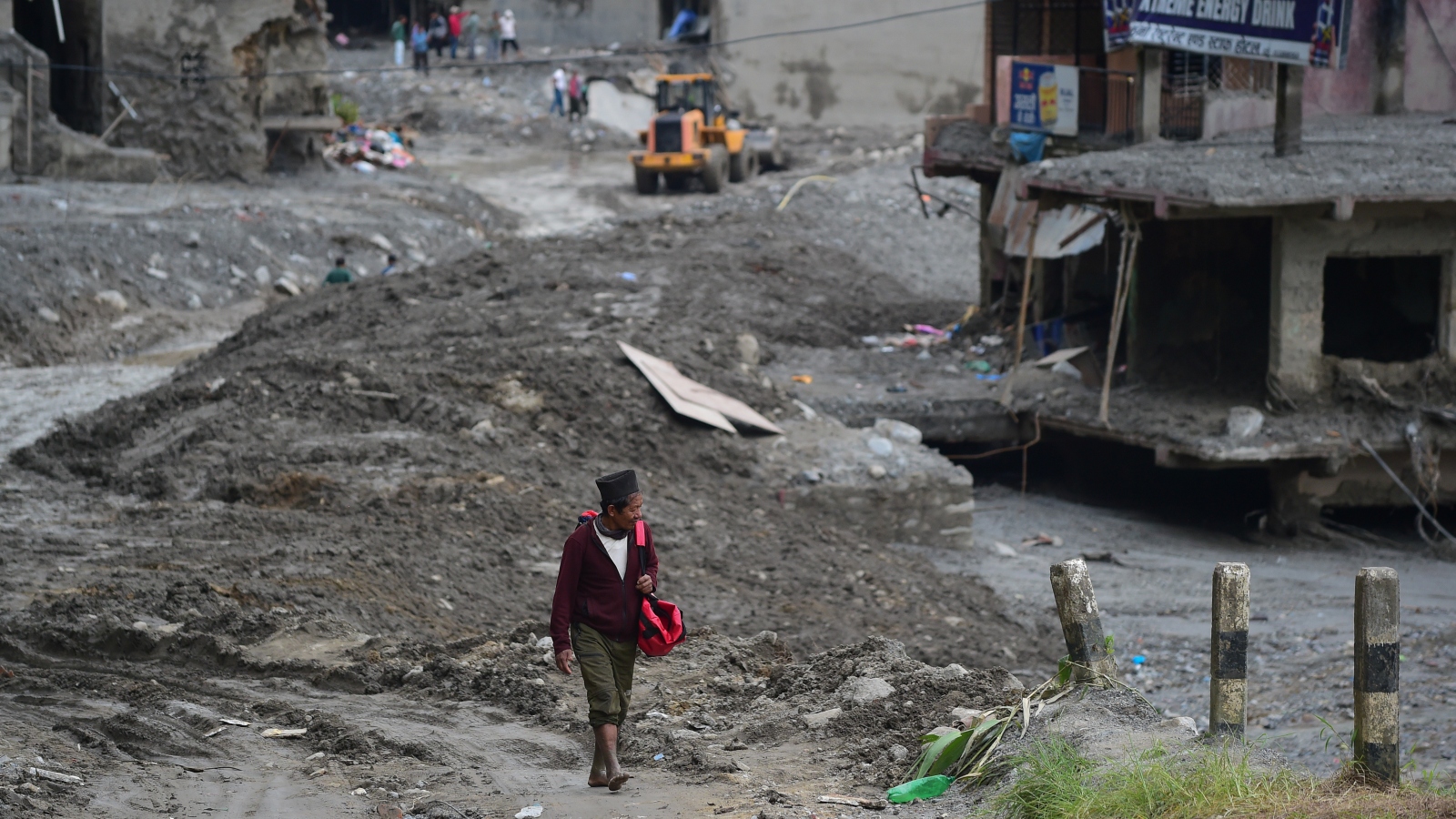
Nepal hoped for flood aid at COP31. It got nothing.
Resumen detallado
U.N. talks are supposed to deliver climate reparations for developing countries, but this year that was “dead in the water.”
When almost 200 countries endorsed the Paris Agreement in 2015, they agreed to a massive transfer of money between the world’s largest carbon emitters and the poor countries on the front lines of climate change. The accord promised that developed countries would begin “mobilizing climate finance” in “a progression beyond previous efforts,” with a focus on “public and grant-based resources” as opposed to loans that poor countries would have to pay back. This money would help develop clean energy projects like solar and wind farms as well as sea walls, water wells, and other projects that could help the Global South adapt to extreme weather.
The reality has been a lot uglier. These promises were always voluntary, or at least impossible to enforce, and rich countries have failed to meet most of their obligations. They have provided most clean energy finance through loans, which have strained the budgets of many poor countries. They have failed to cut their own emissions fast enough to slow down global warming, which has increased the cost of adapting to a warmer world. They have failed to provide money for that adaptation, which has increased the scale of “loss and damage.” And they have failed to provide money for loss and damage, which has forced developing countries to spend their own money on recovery from extreme weather.
In recent years this financial failure has all but derailed the United Nations climate process, in which countries try to achieve global decisions based on universal consensus. Developing countries say they can’t ditch fossil fuels without much more money, while rich countries say they can’t go beyond their current commitment to provide $300 billion a year in climate finance by 2035.
It was against this backdrop that leaders from Nepal arrived at COP31, this year’s U.N. climate meeting or “conference of the parties” in Antalya, Turkey.
Inicio del artículo, extracto de Grist. Para leer el resto, abra el artículo en el sitio del medio.
MarketNews muestra el titular y el resumen publicados por el medio. El artículo completo se lee en el sitio del editor. (grist.org)