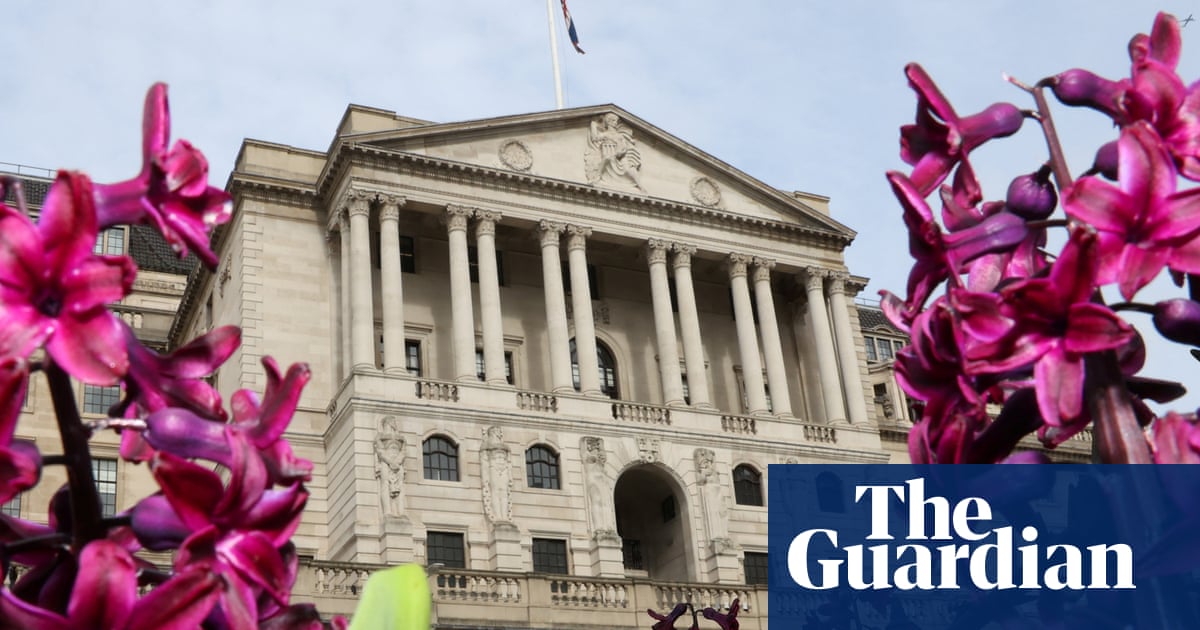
Grade I interiors, gold bars, cost fears: Bank of England faces headache over £160m revamp
Resumen detallado
UK central bank will want to avoid echoes of expensive US Federal Reserve revamp that led to Trump clashAndrew Bailey may spend his days closely watching developments in the…
UK central bank will want to avoid echoes of expensive US Federal Reserve revamp that led to Trump clash
Andrew Bailey may spend his days closely watching developments in the strait of Hormuz or US stock markets for signs of shocks to the global economy – but the Bank of England’s governor has a £160m problem brewing much closer to home.
A secretive major revamp of the Bank’s historic headquarters in the heart of London’s Square Mile presents a huge test of Bailey’s project management skills. The central bank, with its reputation staked on carefully counting the nation’s pennies, will be keen to avoid delays, budget-busting or any echoes of the expensive US Federal Reserve revamp that left his former peer Jerome Powell awkwardly clashing with Donald Trump on camera.
Bailey and his senior managers believe they can modernise the Bank’s Grade I-listed structure and interiors while 3,500 staff are still busy at work on site.
By the summer of 2028, 1,400 Bank staff who work in a nearby office at 20 Moorgate will be relocated to Threadneedle Street, have taken voluntary redundancy or have been offered an alternative job in a new outpost in Leeds, also being refurbished.
It appears a unique project for Britain’s struggling building trade: overhaul a site with a globally recognised exterior; preserve its Roman mosaic floors, stone columns and vaulted, ornate ceilings while keeping exact floorplans under wraps, for fear of terror attacks.
The Bank itself began in rented premises in 1694, moving to Threadneedle Street in 1734. Nicknamed the Old Lady of Threadneedle Street after a satirical cartoon of William Pitt the Younger, it has been refashioned and remodelled – first by Sir John Soane between 1788 and 1833 and then again in the 1920s when the interior was largely demolished and rebuilt.
The building is owned by the Bank, which was given independence to set interest rates by Gordon Brown in 1997, and, after the 2008 financial crash, it was later handed responsibility for…
Cash…
Inicio del artículo, extracto de The Guardian Business. Para leer el resto, abra el artículo en el sitio del medio.
MarketNews muestra el titular y el resumen publicados por el medio. El artículo completo se lee en el sitio del editor. (www.theguardian.com)