Meet the Sweetgreen managers who could make $200,000 training the chain’s next generation of restaurateurs
Resumen detallado
Sweetgreen’s CEO says the American dream is “under attack.” His answer is a pay plan that rewards managers for helping others achieve that goal.
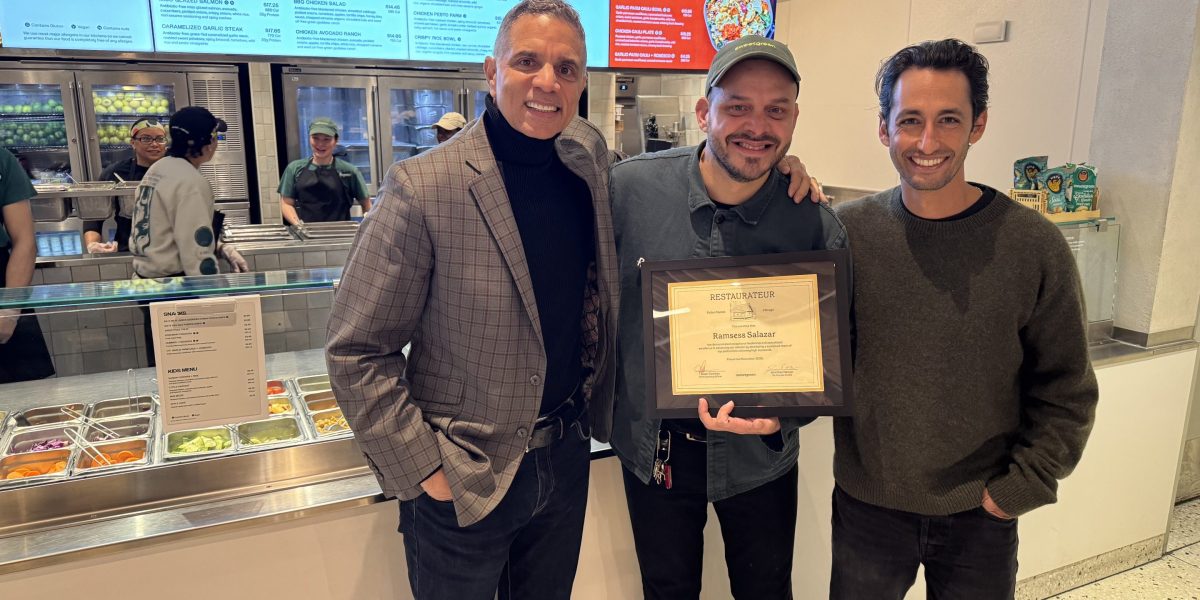
Ramsess Salazar was 20 when he left Caracas, Venezuela, alone in 1999. When he arrived in Minnesota, he missed the family dinners he grew up with, so he started cooking for his friends. That eventually turned into culinary school, which led to a stint in fine dining, and then a job offer from Sweetgreen in 2018 that sent him to Boston.
Eight years later, he runs the chain’s bustling Fulton Market store in Chicago and trains the managers who will run its next restaurants. Last month, he got a call from Sweetgreen CEO Jonathan Neman explaining that his work is coming with a new compensation package.
“I couldn’t believe it,” Salazar told Fortune. What surprised him more was that the company’s leaders called him personally: “Which CEO really does that?”
Starting in the first quarter of 2027, Sweetgreen’s top managers can earn more than $200,000 a year in salary, in addition to a revenue-sharing bonus and stock. The top tier is open to “Head Coaches,” Sweetgreen’s name for general managers, who have at least three years with the company and lead its busiest stores. COO Jason Cochran estimated that 10% to 12% of head coaches meet all the criteria. Managers chosen for its restaurateur program, like Salazar, also get $10,000 for every employee they develop into a head coach, with no cap.
“The idea is now you’re a talent factory,” Neman told Fortune. “You’ve demonstrated you’re good at your job. Now can you train someone else? Future leaders? Train them up, and we’ll pay you $10,000 every single time you do it.”
Neman, who cofounded Sweetgreen along with Nic Jammet 2007, said the plan grew out of the hundreds of store visits he’s made so far. He spends about half his time in restaurants, and the difference between a good one and a bad one “always comes down to a great leader.”
“A hundred grand used to be a big number, but it really isn’t as much anymore in today’s world,” he said. “We wanted the best to be able to make north of $200,000, to be really disruptive to the marketplace.
Inicio del artículo, extracto de Fortune. Para leer el resto, abra el artículo en el sitio del medio.
MarketNews muestra el titular y el resumen publicados por el medio. El artículo completo se lee en el sitio del editor. (fortune.com)