U.N. Warns Hunger Will Deepen In The Middle East As War, Fuel Costs And Aid Cuts Collide
Resumen detallado
The United Nations’ food agencies place Sudan, Yemen, South Sudan, Somalia and northern Nigeria at the highest level of concern.
CAIRO (AP) — Hunger is expected to worsen in 16 countries over the next six months, with war-torn Sudan and Yemen among five nations facing the gravest risk, the United Nations’ food agencies warned Friday. The agencies pointed to conflict, soaring fuel costs linked to war in the Middle East and steep cuts in aid.
The Food and Agriculture Organization and the World Food Program’s Hunger Hotspots report covers December through May 2026.
It places Sudan, Yemen, South Sudan, Somalia and northern Nigeria at the highest level of concern. All five have appeared on the list repeatedly since 2022. The Palestinian territories were moved down one level following the October 2025 ceasefire in Gaza, though 67% of Gaza’s population still faces crisis-level hunger or worse, and the report warned that the gains were fragile.
In Sudan, a risk of famine is expected to persist through January in 13 areas of North Darfur and South Kordofan, the report said. Nearly 19.5 million people, or 41% of the population, faced crisis-level hunger or worse in the latest nationwide analysis. In two displacement camps in South Darfur’s Eastern Jebel Marra, acute malnutrition rates exceeded the threshold for famine.
Sorghum prices in Sudan more than doubled in a year, driven by the fighting and by higher fuel costs tied to the Middle East conflict. Diesel prices have also more than doubled from a year earlier because of the Middle East conflict, according to the report.
Drought linked to El Niño — a natural warming of Pacific Ocean water that disrupts weather worldwide — has added to the strain, affecting up to 55% of cropland in Sennar state and 70% in Gedaref, two of Sudan’s main farming states.
FAO Deputy Director-General Beth Bechdol told The Associated Press that El Niño-linked drought poses a major threat to Sudan on top of the war, compounding the conflict’s toll on food production.
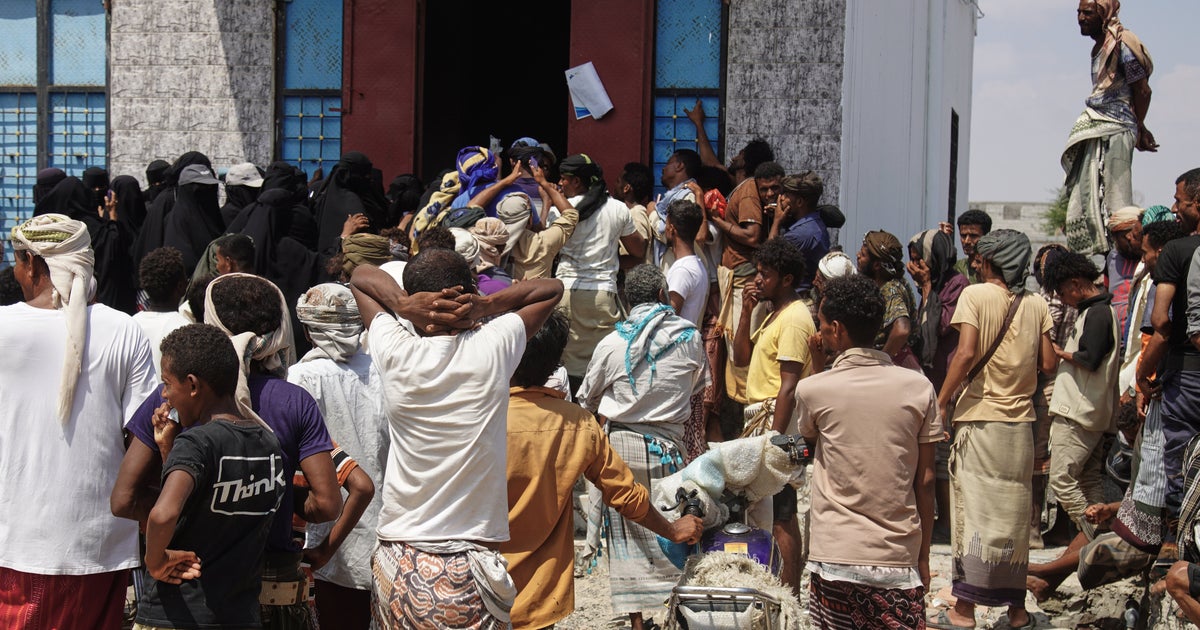
In Yemen, the report said, hunger is likely to worsen as fighting that resumed in July spreads across multiple fronts.
Inicio del artículo, extracto de HuffPost. Para leer el resto, abra el artículo en el sitio del medio.
MarketNews muestra el titular y el resumen publicados por el medio. El artículo completo se lee en el sitio del editor. (www.huffpost.com)