China and the U.S. are the world's biggest polluters. And the U.S. is falling behind
Resumen detallado
The two largest emitters of greenhouse gases are China and the United States. Now, the countries' stories are diverging: many Chinese provinces are reducing coal use, while the U.S. is falling behind on climate technologies.
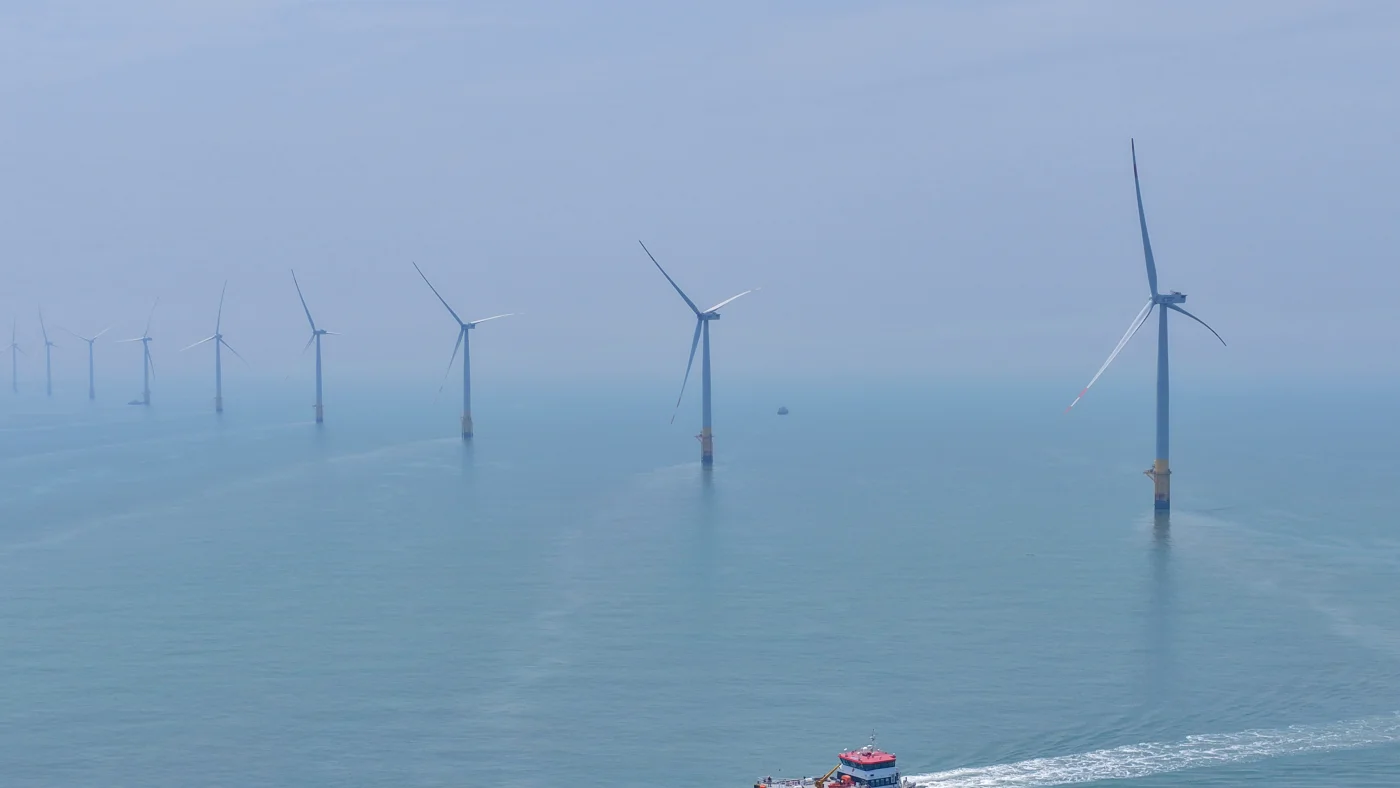
China leads the world in renewable energy. It's helping drive down the country's greenhouse gas emissions. Meanwhile, in 2025, U.S. emissions rose. CN-STR / AFP/AFP via Getty Images hide caption
As more than 200 countries meet in Turkey for the annual United Nations climate talks, COP31, the two largest emitters of greenhouse gases remain China and the United States. Now the countries' stories are diverging.
For years, China's climate pollution was growing, driven by increased coal use. But for the past two and a half years, China's emissions have been flat or falling.
"And that is a remarkable change," says Lauri Myllyvirta, lead analyst at the Centre for Research on Energy and Clean Air.
China is driving down emissions by increasing renewable energy and batteries, which is displacing coal. The rise of electric vehicles means China is also reducing its oil use.
"Those are bigger reductions than we expected," Myllyvirta says, "and I think anyone expected."
But last year, U.S. emissions went in a different direction. U.S. greenhouse gas emissions rose in 2025, as the country burned more coal for power and oil and gas for heating. A recent report from United Nations scientists notes that the U.S. sticks out as the only major economy where planet-warming pollution increased significantly last year.
This year, emissions in the U.S. are projected to fall slightly. The country will likely burn less coal than last year. But the U.S. could reduce its emissions more if it were deploying large-scale renewable energy and batteries like China, says Alex Wang, a professor at UCLA Law and an expert on Chinese climate policy.
The problem, Wang says, is the U.S. hasn't had long-term policy support for these climate technologies. The Biden administration increased funding for solar, wind, batteries and electric vehicles. The Trump administration reduced that funding and created regulatory hurdles for those industries.
Inicio del artículo, extracto de NPR. Para leer el resto, abra el artículo en el sitio del medio.
MarketNews muestra el titular y el resumen publicados por el medio. El artículo completo se lee en el sitio del editor. (www.npr.org)