Nearly two thirds of remote First Nations households lack free-to-air TV access
Resumen detallado
When set-top boxes fail and replacements are expensive, remote households turn to expensive prepaid data and less reliable sources of news.
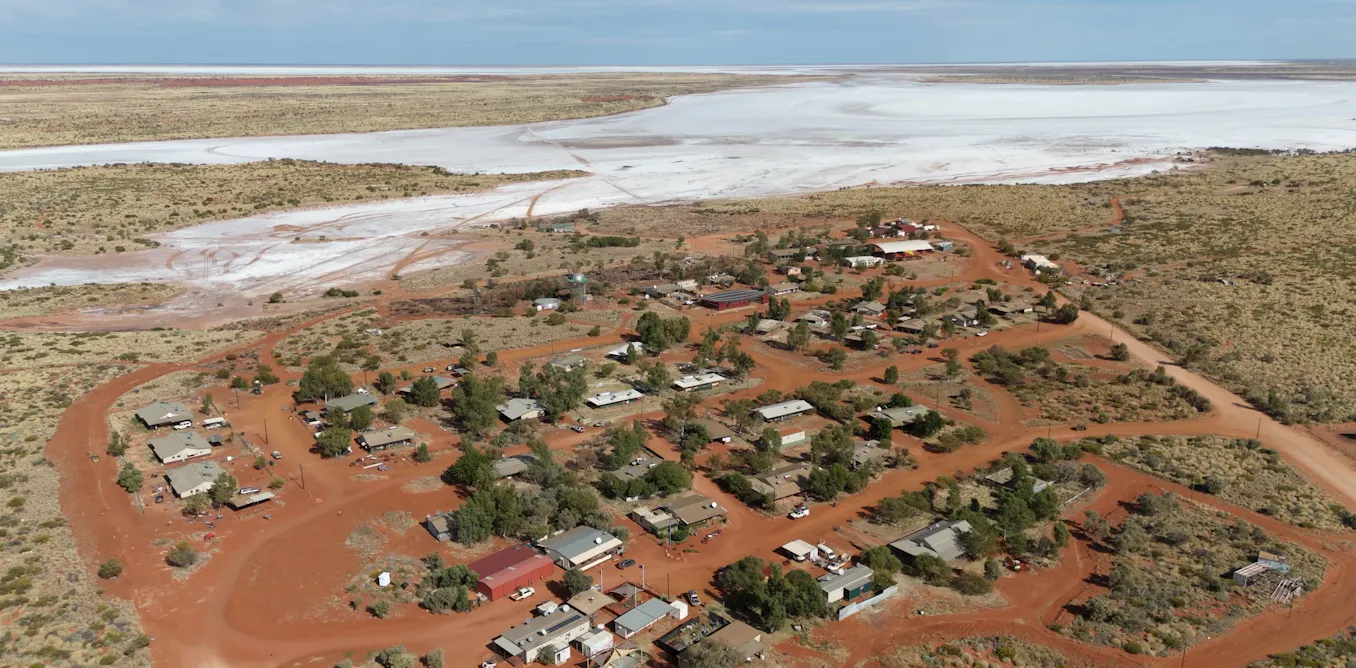
Nearly two thirds of households in remote First Nations communities do not have access to free-to-air TV, due to issues with the satellite service that delivers television where normal broadcasts are unavailable.
The latest report from the Mapping the Digital Gap project also shows the use of online streaming is on the rise. But here too access can be limited and often unaffordable for First Nations people in remote communities.
Without access to free-to-air TV, spending on pre-paid mobile data may rise, mobile services can become overloaded. People may also depend more on unreliable sources of news and information.
These findings are based on visits we made to 11 remote communities in 2025 and 2026. They build on research conducted since 2022 covering digital access, affordability, digital ability and access to media and information services.
First Nations radio and TV services, such as NITV and Indigenous Community TV, provide trusted, place-based and relevant news, information and language content. Yet access to these services is restricted by issues with VAST, broadcast maintenance, and the changing ways audiences access news.
The Australian government has committed to ensuring Aboriginal and Torres Strait Islander peoples achieve equal levels of digital inclusion by 2026. This means they would have access to information and services enabling participation and informed decision-making about their own lives.
In many remote communities, people access free-to-air TV via the federal government’s Viewer Access Satellite Television (VAST) service.
VAST began rolling out in 2010 as analogue TV broadcasts were switched off in favour of digital. Direct-to-home satellite equipment was installed in most remote First Nations households from 2011 to 2013. This replaced community broadcasting in many sites.
However, households now have to maintain this equipment. Failure of set-top boxes is common due to power surges. Smart cards needed for access are also often removed.
Inicio del artículo, extracto de The Conversation AU. Para leer el resto, abra el artículo en el sitio del medio.
MarketNews muestra el titular y el resumen publicados por el medio. El artículo completo se lee en el sitio del editor. (theconversation.com)