Indian refiners lock in tankers as freight volatility raises crude import costs
Resumen detallado
Freight costs and geopolitical disruptions are reshaping India’s crude transportation strategies
Freight costs and geopolitical disruptions are reshaping India’s crude transportation strategies
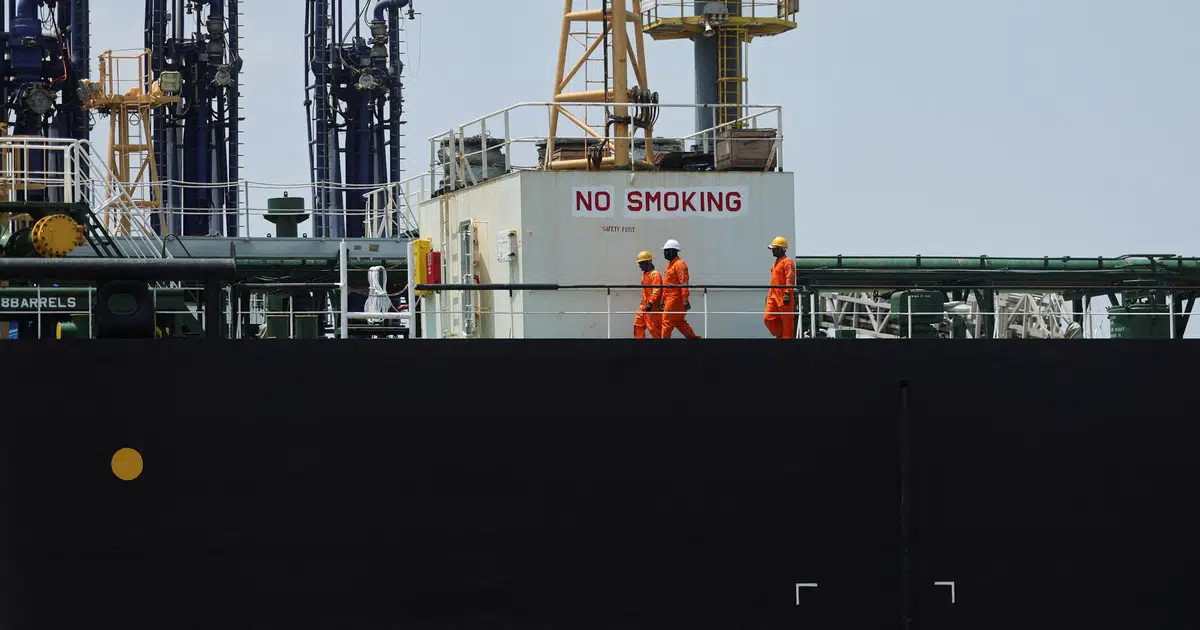
[BENGALURU] India’s biggest refiners, including Reliance Industries, Bharat Petroleum Corp and Indian Oil Corp (IOC), are moving to secure tankers through long-term charters or outright purchases as volatile freight rates and shipping disruptions ratchet up the cost of importing crude.
The stakes are high for India, which imported 88.7 per cent of its crude oil requirements in FY2025 to FY2026, up marginally from the previous financial year, according to Petroleum Planning & Analysis Cell (PPAC) data.
This makes the cost and availability of shipping crucial to bringing that overseas crude home.
Reliance Industries has increased its fleet of time-chartered supertankers from about seven or eight vessels to around 12, and Bharat Petroleum is looking to extend its existing tanker charters by three years, Bloomberg reported last week, citing sources.
IOC is also looking to acquire vessels of its own, with its board having approved the purchase of a few ships and tenders already issued, said Anuj Jain, the company’s director of finance, during its second-quarter earnings call.
Indian refiners are gradually moving away from booking ships voyage by voyage and are coordinating shipping more closely with crude purchases, said Deepak Chelladurai, founder of oil and freight market intelligence firm Arkline Research.
Sustainability has reached Apac boardrooms but are board members sufficiently equipped? Find out more in our report.
He explained that this was because long-term time charters allowed refiners to secure vessels at predetermined daily hire rates, providing greater control over cargo movements, loading schedules and delivery planning.
Inicio del artículo, extracto de The Business Times. Para leer el resto, abra el artículo en el sitio del medio.
MarketNews muestra el titular y el resumen publicados por el medio. El artículo completo se lee en el sitio del editor. (www.businesstimes.com.sg)