NASA’s Voyager 1 scripts history, becomes first spacecraft to travel a light-day from Earth
Resumen detallado
Voyager 1 has crossed the distance light travels in 24 hours, marking a new milestone in its journey through interstellar space. | World News
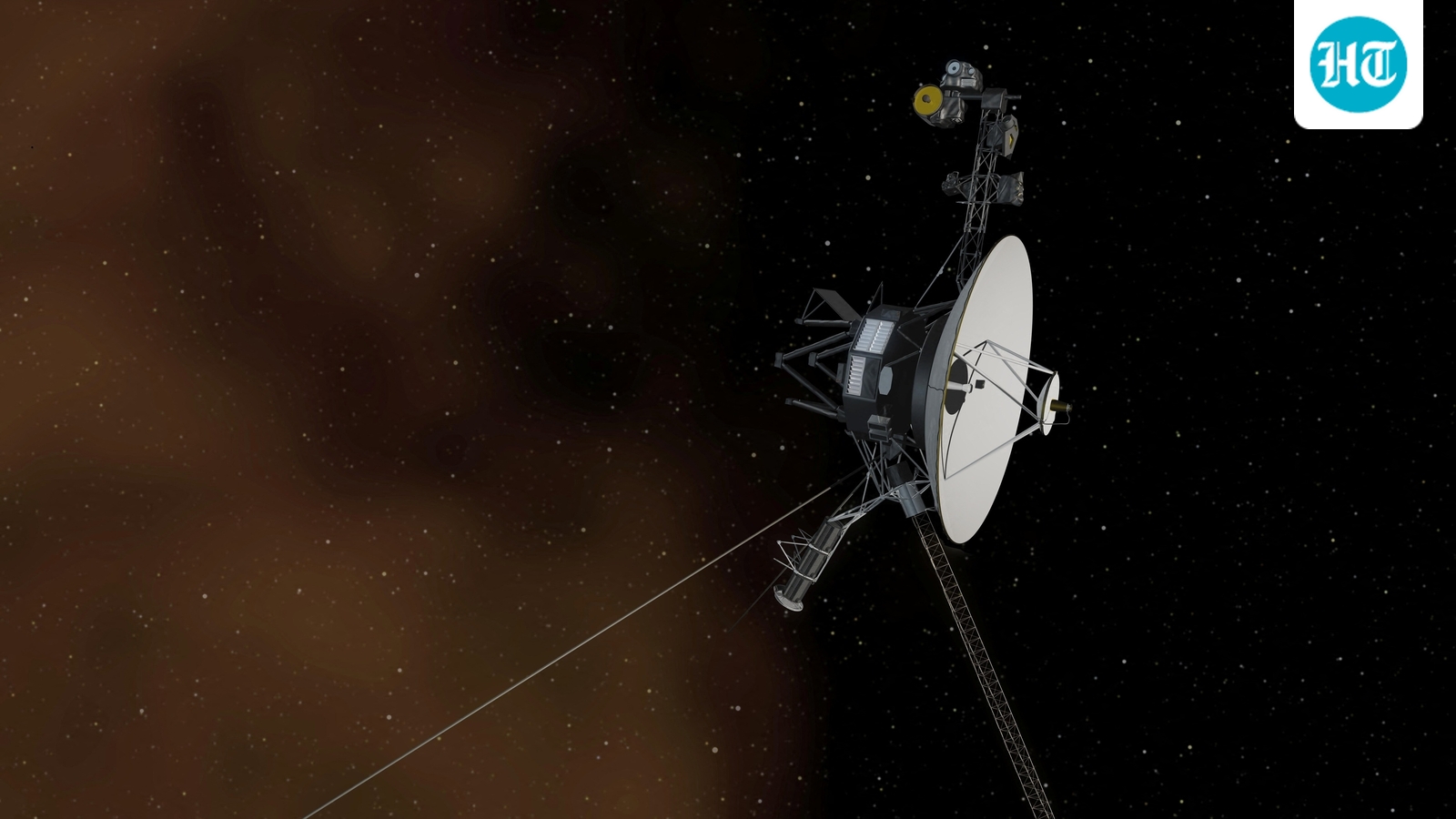
NASA’s Voyager 1 has become the first spacecraft to travel beyond a light-day from Earth, marking another milestone in its nearly 50-year journey through space. The space agency confirmed the achievement on Thursday, even as the ageing probe faces technical problems and runs low on power.
Voyager 1 crossed the distance that light travels in 24 hours, around 26 billion kilometers or 16 billion miles, on Wednesday at 5:16 am EST (10:16 GMT), NASA said. A radio signal sent by the spacecraft was received at the Deep Space Network facility in Madrid, Spain, according to news agency Reuters. The signals took almost a day to reach earth.
The milestone came 49 years, two months and 11 days after the spacecraft began its journey. Voyager 1 is currently the most distant human-made object in space.
NASA engineer Nshan Kazaryan announced the confirmation at the agency’s Jet Propulsion Laboratory (JPL) in California.
"After 16 billion miles of exploration, Voyager 1 continues its journey into the unknown," Kazaryan said according to Reuters.
Also read: Voyager 1 becomes first human-made object to reach one light-day from Earth
NASA officials and mission leaders welcomed the achievement, while acknowledging the challenges of keeping the ageing spacecraft.
"This is such an amazing day," Nicola Fox, NASA's head of science, said according to Reuters at a JPL event, praising the team "that just continues to let Voyager keep on trekking out there."
A light-day is the distance light travels in 24 hours, while a light-year measures the distance it covers in a year. One light-year is approximately 5.9 trillion miles (9.5 trillion km).
Inicio del artículo, extracto de Hindustan Times. Para leer el resto, abra el artículo en el sitio del medio.
MarketNews muestra el titular y el resumen publicados por el medio. El artículo completo se lee en el sitio del editor. (www.hindustantimes.com)