Iran's Judiciary Puts Price Tag On US 'War Reparations' Demand: $290 Billion
Resumen detallado
Iran's Judiciary Puts Price Tag On US 'War Reparations' Demand: $290 Billion For several months now, Iran has been demanding that the United States pay war reparations as one…
For several months now, Iran has been demanding that the United States pay war reparations as one among seven conditions for permanently ending the war.
It remains one of the most unrealistic asks. While something like dropping sanctions seems more realistic and a workable option, the Trump administration is very unlikely to ever actually contemplate handing over billions in war reparations to Tehran.
But the Islamic Republic has not backed off, but is instead confirming its willingness to pursue and stick by this condition.
A top Iranian judiciary official has finally put a specific figure to what Iran is asking of Washington: Iranian courts have have said the US must pay $290 billion in damages.
"We have secured court rulings in domestic courts awarding $290 billion in damages against the Americans," Hassan Abdolianpour, head of the judiciary's center for lawyers," has announced.
Apparently large sums are being asked of America's Gulf allies as well:
Of course, the Gulf countries will see things from the opposite perspective - namely that it is Tehran that owes them and not the other way around.
Kuwait and Bahrain have especially been hit hard by Iran's ballistic missile and drone attacks. Everything from oil and gas sites, to industrial sites, to commercial airports have been attacked. Also, primarily bases hosting American forces have been hit.
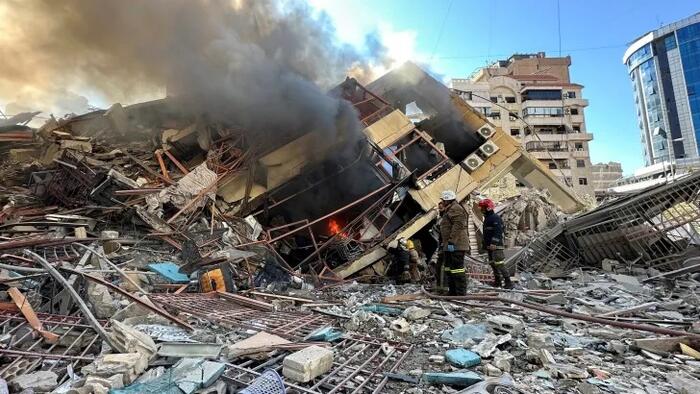
President Trump sees it the other way too. Back in August, Trump told reporters that it is Iran that must pay up. This is despite whole sections of Iranian cities lying in rubble from the major US-Israeli air campaign of last February, March, and early April.
Inicio del artículo, extracto de ZeroHedge. Para leer el resto, abra el artículo en el sitio del medio.
MarketNews muestra el titular y el resumen publicados por el medio. El artículo completo se lee en el sitio del editor. (www.zerohedge.com)