A tale of two medicines: How do East and West put a price on human life?
Resumen detallado
In 2015, the world awoke to one of the most blatant and outrageous stories of greed in the history of the pharmaceutical industry, when Turing ...
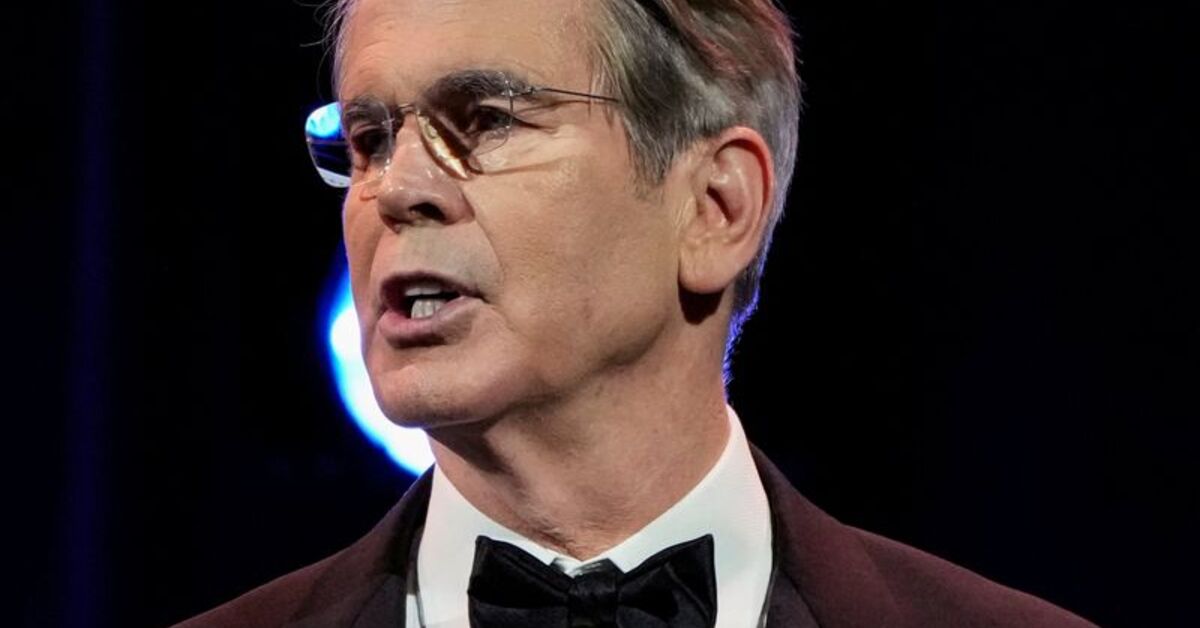
In 2015, the world awoke to one of the most blatant and outrageous stories of greed in the history of the pharmaceutical industry, when Turing Pharmaceuticals, led by its young CEO Martin Shkreli — who was then in his early thirties — acquired the marketing rights to Daraprim, a life-saving drug for patients with immune deficiencies and cancer.
Neither Shkreli nor his company had invented the drug or spent a single dollar on its research. They had merely signed an acquisition deal, after which he made a decision overnight to raise the price of a single tablet from $13.50 to $750 — an increase exceeding 5,000 percent!
When public outrage erupted and Congress summoned him for questioning, he stood with provocatively cold indifference, defending his company's right to maximize profits under the rules of the free market, without anyone having the authority to compel him to reverse his decision to put a price on human lives according to the logic of profit alone.
This is the West that Francis Fukuyama once promoted as the "end of history" — that is, the ultimate political, economic and social model at which the world was supposedly meant to arrive, finding nothing beyond it or before it except the final endpoint!
Yet a reality such as this exposes the fragility of that idealistic promise when the market is transformed from a tool serving humanity into an open arena for inventing new forms of cruelty in the name of economic freedom.
It is also a stark illustration of capitalism running unchecked — the very system about which its intellectual godfather, Adam Smith, said in his 1776 book The Wealth of Nations: "It is not from the benevolence of the butcher, the brewer, or the baker that we expect our dinner, but from their regard to their own interest."
Yet when Smith spoke of self-interest, he assumed the existence of competition and balance that would restrain greed, not a situation in which a patient becomes hostage to a monopoly that raises the price of a potentially…
On the…
I…
Inicio del artículo, extracto de Saudi Gazette. Para leer el resto, abra el artículo en el sitio del medio.
MarketNews muestra el titular y el resumen publicados por el medio. El artículo completo se lee en el sitio del editor. (saudigazette.com.sa)