How COP31 became climate diplomacy’s ‘darkest moment’
Resumen detallado
The United Nations summit collapsed amid a fight over fossil fuels, triggering a fierce debate about the future of international climate talks.
No one expected the 31st Conference of the Parties to be game-changing — from the start, everyone called it an “implementation” COP — but those gathered in Antalya, Turkey, hoped it would at least maintain momentum on clean energy development. They also wanted to see countries reaffirm their commitment to multilateral climate action amid heightened geopolitical tension.
Instead, the talks collapsed after two weeks of negotiations that ran nearly 50 hours into overtime — longer than ever before. More than 90 nations, including the Marshall Islands, the United Kingdom, and the entire European Union, objected to a draft of the high-level political agreement, called a cover decision, that typically caps each COP because it omitted the words “fossil fuels” and left key details about climate finance unaddressed.
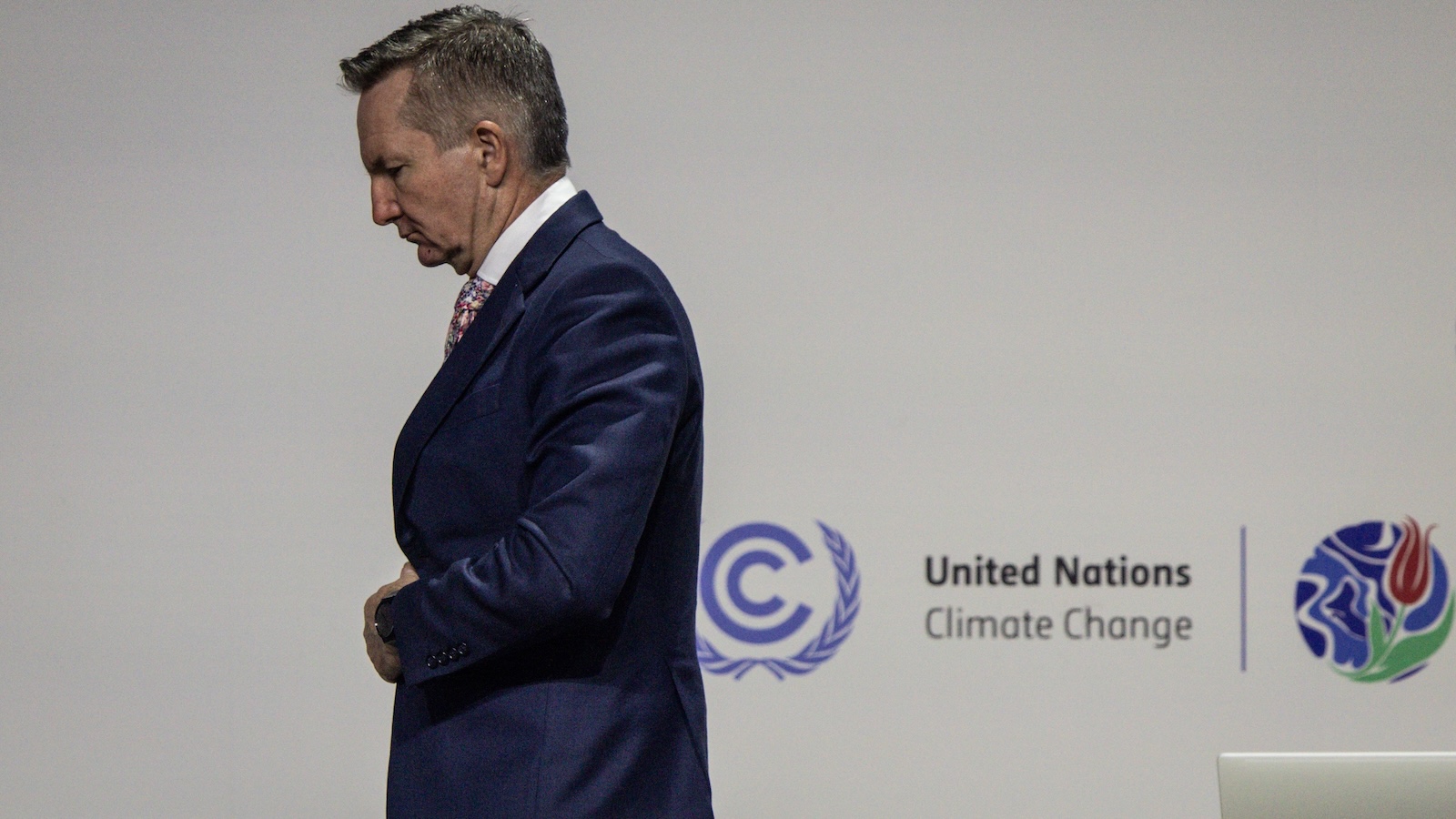
In an unusual arrangement, this year’s negotiations were run by ministers from Turkey and Australia. It was the first climate conference since COP15 in 2009 to founder over a cover decision, something many nations blamed on shoddy management by the hosts.
To support our nonprofit environmental journalism, please consider disabling your ad-blocker to allow ads on Grist. Here's How
This time, the breakdown came at a time of even greater peril. The world is being racked by extreme heat, raging wildfires, and devastating floods, and it is on the brink of permanently exceeding 1.5 degrees Celsius (2.7 degrees Fahrenheit) of warming, a threshold long at the center of climate diplomacy. A historic El Niño stands to intensify those impacts.
Yet countries could not reach consensus on some of the most fundamental questions about how to address the crisis. Beyond the disagreements over fossil fuels and climate finance, delegates clashed over carbon capture, a call to have electricity meet 35 percent of the world’s energy needs, and the timing of a major scientific report on climate change.
As diplomats left Antalya, observers described the outcome in unusually dire terms, calling…
Inicio del artículo, extracto de Grist. Para leer el resto, abra el artículo en el sitio del medio.
MarketNews muestra el titular y el resumen publicados por el medio. El artículo completo se lee en el sitio del editor. (grist.org)