A third Ukrainian strike in 4 days halts rail traffic on Russia’s Kerch Bridge to Crimea
Resumen detallado
Ukraine strike on Kerch Bridge halts rail traffic as Putin vows retaliation amid talks on the war’s future. Read more at straitstimes.com.
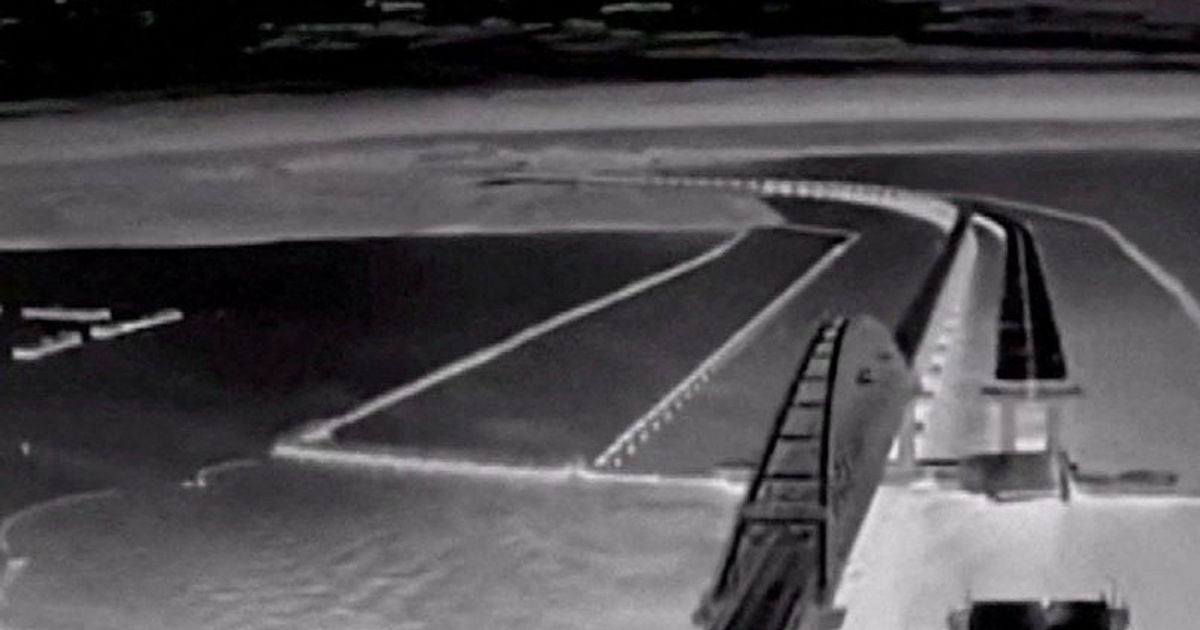
A video screengrab shows the damage to Russia’s Crimean bridge, linking the occupied Ukrainian peninsula of Crimea with Russia.
KYIV – A third Ukrainian aerial attack in four days on the key Kerch Bridge linking Russia to Russian-held Crimea halted rail traffic across the span, officials said on Nov 19, after earlier strikes shut down the road section of the landmark that is a symbol of Moscow’s invasion.
Train traffic across the bridge stopped after the overnight strike while authorities assessed the damage, but it resumed in the afternoon, according to Russian state news agency RIA Novosti.
The Ukrainian strikes seemed calculated to embarrass Russian President Vladimir Putin as he met in China with President Xi Jinping and US President Donald Trump, as well as to demonstrate that Kyiv still holds cards in the war and to undermine Russia’s argument that its victory is inevitable.
The attack came hours before the start of talks in Berlin between US envoys Jared Kushner and Steve Witkoff and Ukrainian President Volodymyr Zelensky alongside more than 40 European leaders who are supporting Ukraine’s war effort and fear being sidelined by Trump’s direct talks with Putin.
“We will respond to these attacks, and I want everyone to be clear about that,” Putin told reporters in Shenzhen, China.
He insisted the bridge is a civilian asset, adding that he had ordered the bridge closed to the transport of military hardware or ammunition.
Putin also said that the road side of the bridge had been “seriously damaged” but vowed to rebuild it.
The rail section is believed to be stronger than the road side, to bear the greater weight of cargo wagons.
Inicio del artículo, extracto de The Straits Times. Para leer el resto, abra el artículo en el sitio del medio.
MarketNews muestra el titular y el resumen publicados por el medio. El artículo completo se lee en el sitio del editor. (www.straitstimes.com)