U.S. Builds Just 10% of Power Lines Needed to Meet Demand
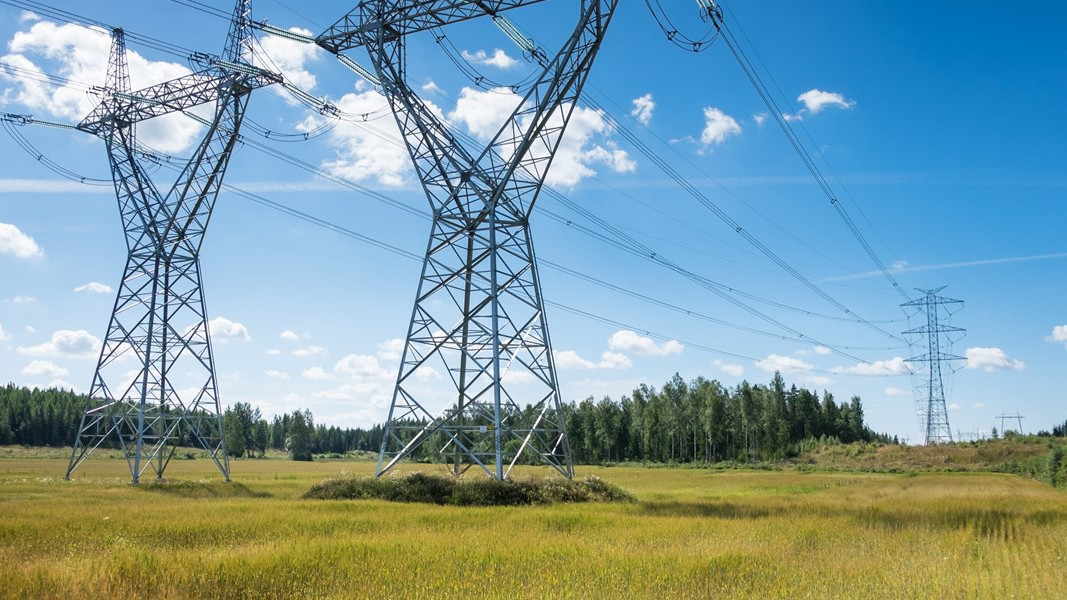
Resumen detallado
The U.S. builds just 500 miles of high-voltage transmission lines annually, only 10% of the estimated 5,000 miles needed, largely due to fragmented regulations and permitting hurdles.
What I Cover Tsvetana Paraskova is an energy and commodities journalist who has contributed to Oilprice.com for nearly a decade, covering global energy markets, commodities,…
The U.S. power grids fail to keep up with surging electricity demand from AI and data centers, industry, and electrification.
The grid bottleneck in power transmission is so extreme that it risks undermining America’s grid resilience and economy, and reducing competitiveness and energy affordability, researchers have warned.
Soaring power demand contrasts with a deficit in power transmission capacity, energy policy researchers from Carnegie Mellon University and the University of California San Diego said in a Policy Forum paper published in the journal Science this month.
Few countries face as extreme a power transmission crisis as the United States, Carnegie Mellon University’s Madeline Yozwiak and M. Granger Morgan and David G. Victor at the UC San Diego School of Global Policy and Strategy wrote in the paper.
Despite evidence showing that interconnected grids reduce energy bills and prevent blackouts, the continental U.S. has built only about 500 miles of high-voltage transmission lines per year over the past five years, the experts wrote in the ‘Fixing the power transmission crisis’ paper. Related: Oil Surge Pushes Indonesia to Mull First Subsidized Fuel Price Hike in Years
The annual buildout in the past half-decade has been just 10% of the 5,000 miles per year of new transmission capacity America needs to triple the interregional grid by 2050 and meet future energy needs, the energy policy researchers note.
The key constraints are not only on the technical and investment side of things. The fundamental bottleneck in expanding the grids to meet power needs is at the jurisdictional level in fragmented regulatory processes involving local and state stakeholders, the paper argues.
“As it stands, we have a system with lots of veto points and weak incentives to build the projects that deliver the…
Inicio del artículo, extracto de OilPrice.com. Para leer el resto, abra el artículo en el sitio del medio.
MarketNews muestra el titular y el resumen publicados por el medio. El artículo completo se lee en el sitio del editor. (oilprice.com)