Trump invokes Yalta as he outlines vision for US, Russia and China nuclear co-operation
Resumen detallado
President Donald Trump on Friday evoked the 1945 Yalta Conference, a pivotal meeting that helped shape the postwar order and the emerging Cold War, to describe this week's…
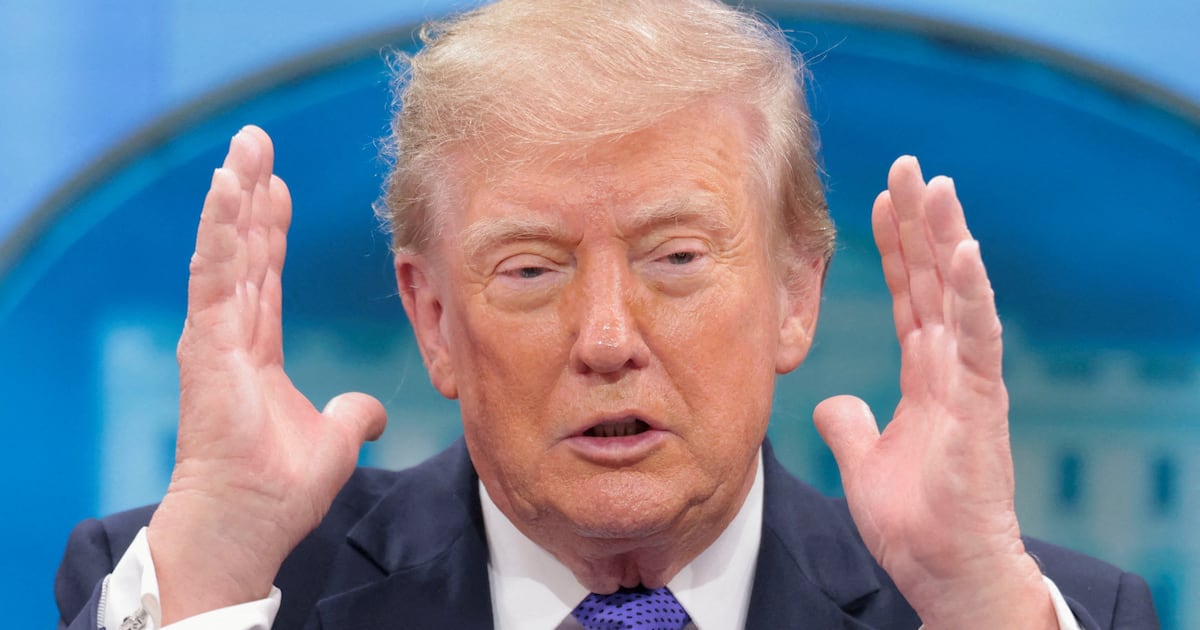
President Donald Trump on Friday evoked the 1945 Yalta Conference, a pivotal meeting that helped shape the postwar order and the emerging Cold War, to describe this week's first-ever trilateral summit between the leaders of the US, Russia and China.
Speaking at a press conference in the White House briefing room, Mr Trump raised the historic gathering to outline his vision for how the world's three most powerful nuclear powers could manage global security.
"So when I went, I didn't go having us talk about Yalta ... I just went saying I get along great with these two people. We'll work out our differences. We've been able to work them out," he said. "I didn't go with that in mind, but when you were there, you could see it. It was amazing energy."
He added that "incredible inroads" were made into a "very difficult system" during the meeting.
At the end of the Second World War, leaders of the US, the UK and the Soviet Union met in Yalta, Crimea, to decide the future of Europe. The conference helped shape the balance of power in the West and the divisions that would define the Cold War.
On Thursday, Mr Trump attended a trilateral meeting with his Russian and Chinese counterparts, Vladimir Putin and Xi Jinping, in Shenzhen.
"China agreed to conduct trilateral discussions on reducing nuclear risks. They didn't want to do that because China is way behind," Mr Trump said.
"We have estimates of 4,000 nuclear weapons. Russia is second to us, and China is way behind. But they'll catch us within 10 years if they're going at it hot and heavy, but they have a lot. They have 600."
The unprecedented meeting between the leaders of the world's three largest nuclear powers took place on the sidelines of the Asia-Pacific Economic Co-operation summit.
Inicio del artículo, extracto de The National. Para leer el resto, abra el artículo en el sitio del medio.
MarketNews muestra el titular y el resumen publicados por el medio. El artículo completo se lee en el sitio del editor. (www.thenationalnews.com)