Explainer-Libya's messy frozen conflict
Resumen detallado
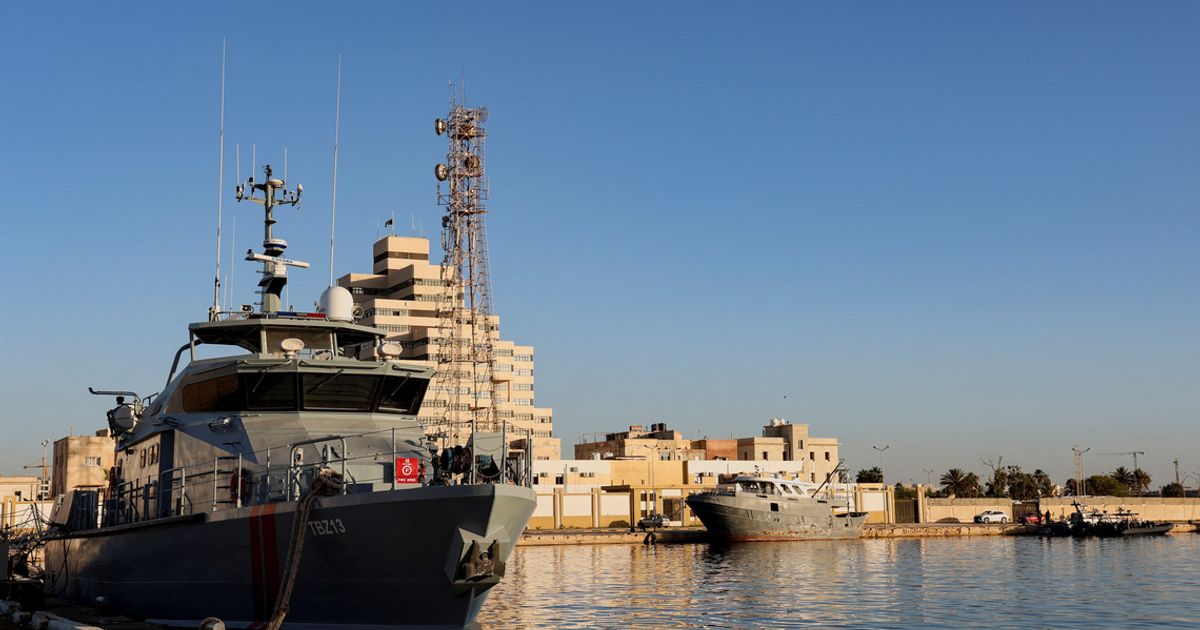
Nov 24 - Ukraine's sinking of a Russian naval vessel in a Libyan port on Sunday showed how a long-paralysed conflict in the North African country, involving a number of regional…
Nov 24 - Ukraine's sinking of a Russian naval vessel in a Libyan port on Sunday showed how a long-paralysed conflict in the North African country, involving a number of regional powers, risks triggering fresh outbreaks of instability.
Here's why Libya's conflict rumbles on and what it means for the wider region:
After Libyans ended Muammar Gaddafi's 42-year rule in a 2011 NATO-backed uprising, an attempted democratic transition was derailed as groups of fighters built local power bases around rival political factions and seized economic assets.
In 2014, fighting in the capital Tripoli followed an election and most new parliament members moved east, recognising Khalifa Haftar as military chief, and setting up a parallel administration there.
A political agreement backed by the UN was meant to resolve the dispute and reunify Libya's warring east and west, but eastern factions spurned the deal and, in 2019, Haftar's Libyan National Army (LNA) attacked Tripoli.
Though backed by the United Arab Emirates, Russia and Egypt, Haftar's assault was staved off by western factions supported by Turkey, leading to a 2020 truce that stopped major warfare.
A UN-backed effort to resolve Libya's underlying dispute led to the installation of an interim Government of National Unity and a plan for elections in 2021, but the vote was cancelled amid disputes over the rules and candidate eligibility.
With no agreement among rival factions on a new way forward, the conflict has remained paralysed and the country divided. Tripoli lacks sway over much of Libya's territory and foreign powers are still dug in on the ground.
RUSSIA: Moscow was an early supporter of Haftar. A panel of UN experts reported in 2019 that Russia's Wagner company had up to 1,200 mercenaries in Libya and in 2020 the US said Moscow sent warplanes. Russia denied sending troops or jets.
Inicio del artículo, extracto de The Straits Times. Para leer el resto, abra el artículo en el sitio del medio.
MarketNews muestra el titular y el resumen publicados por el medio. El artículo completo se lee en el sitio del editor. (www.straitstimes.com)