The enduring case for ASEAN neutrality
Resumen detallado
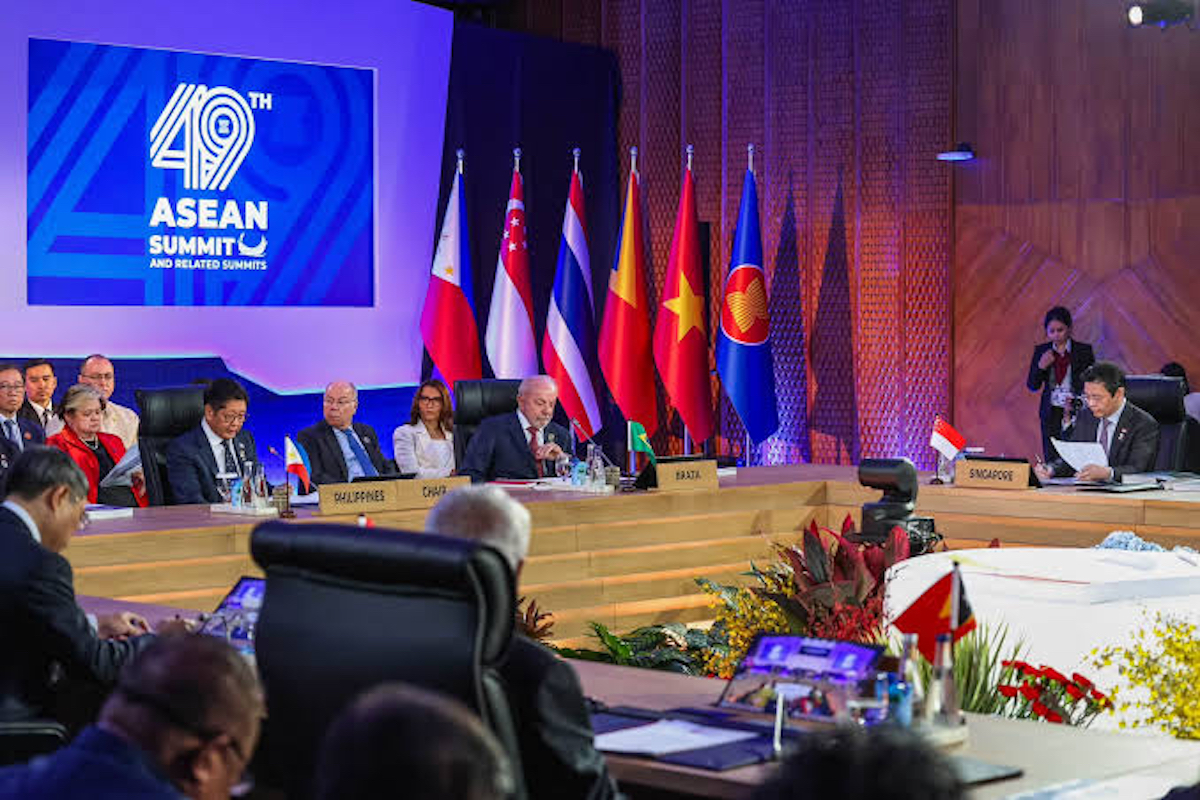
The 49th ASEAN Summit closed in Manila today (November 17) under a familiar refrain: the bloc is too slow, too cautious and too neutral to matter. Thai Deputy Prime Minister and…
The 49th ASEAN Summit closed in Manila today (November 17) under a familiar refrain: the bloc is too slow, too cautious and too neutral to matter.
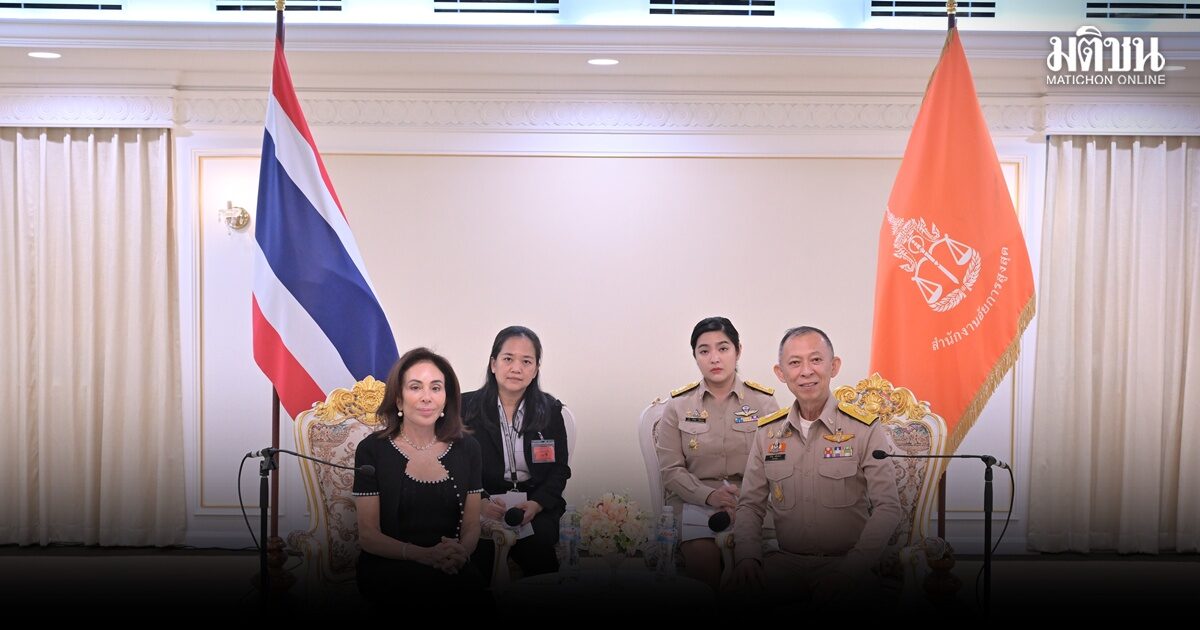
Thai Deputy Prime Minister and Foreign Minister Sihasak Phuangketkeow gave the criticism its latest airing at the ISEAS roundtable on November 5. He argued that ASEAN’s Five-Point Consensus on Myanmar still lacks a clear strategy for implementation, and that the grouping’s consensus model can take a week or more to respond to a developing crisis. Non-interference, he said, should not become an excuse for inaction.
Sihasak is right that ASEAN needs to act faster. But the conclusion often drawn from that observation, that neutrality itself is the problem, misreads what ASEAN is and why it works.
That structural reality is often lost when compared with the European Union, which was designed to pool sovereignty among states with converging political systems and shared treaty obligations. ASEAN was not, and no amount of institutional reform will change the fact that its members include consolidated democracies, single-party states and a military administration.
The bloc has no close equivalent. The Pacific Islands Forum shares its reliance on consultation and consensus, and the Gulf Cooperation Council its emphasis on sovereignty, but neither matches ASEAN’s diversity or its role in the wider regional architecture.
Neutrality also underpins ASEAN’s convening power. The United States, China, Japan, India and others attend ASEAN-led meetings precisely because the grouping does not take sides, whatever its members’ individual leanings.
At the foreign ministers’ meetings in Manila in July, ASEAN hosted bilateral talks between US Secretary of State Marco Rubio and Chinese Foreign Minister Wang Yi, in the same week as a confrontation at Second Thomas Shoal in the South China Sea.
The first-ever Quad foreign ministers’ meeting on the sidelines of ASEAN-led gatherings took place at the same session, while Turkey became the bloc’s 12th…
Needle…
Inicio del artículo, extracto de Asia Times. Para leer el resto, abra el artículo en el sitio del medio.
MarketNews muestra el titular y el resumen publicados por el medio. El artículo completo se lee en el sitio del editor. (asiatimes.com)