Thames Water's Rescue Deal Comes With a Dirty Catch
Résumé détaillé
The saga of financially distressed Thames Water may have reached a new low. The Financial Times and others reported that the latest US bidder for the utility planned to up its bid…
Thiel Doubles Down on Vaca Muerta as Trump Calls Venezuela an “Acquisition”
Leonard S. Hyman is an economist and financial analyst specializing in the energy sector. He headed utility equity research at a major brokerage house and…
The saga of financially distressed Thames Water may have reached a new low. The Financial Times and others reported that the latest US bidder for the utility planned to up its bid by £ 1 billion if the government would lay off pollution mitigation requirements until 2030. Sort of, “We’ll pay you if you let us continue to dump sewage into the waterways.” (We say latest bidder because US investment firm KKR made an unsuccessful bid not long ago.)
We’d rate the Thames privatization and subsequent deterioration as one of the worst utility deals in living memory for customers. It is a model of what not to do, and relevant to the entire public service sector— gas. electric and water.
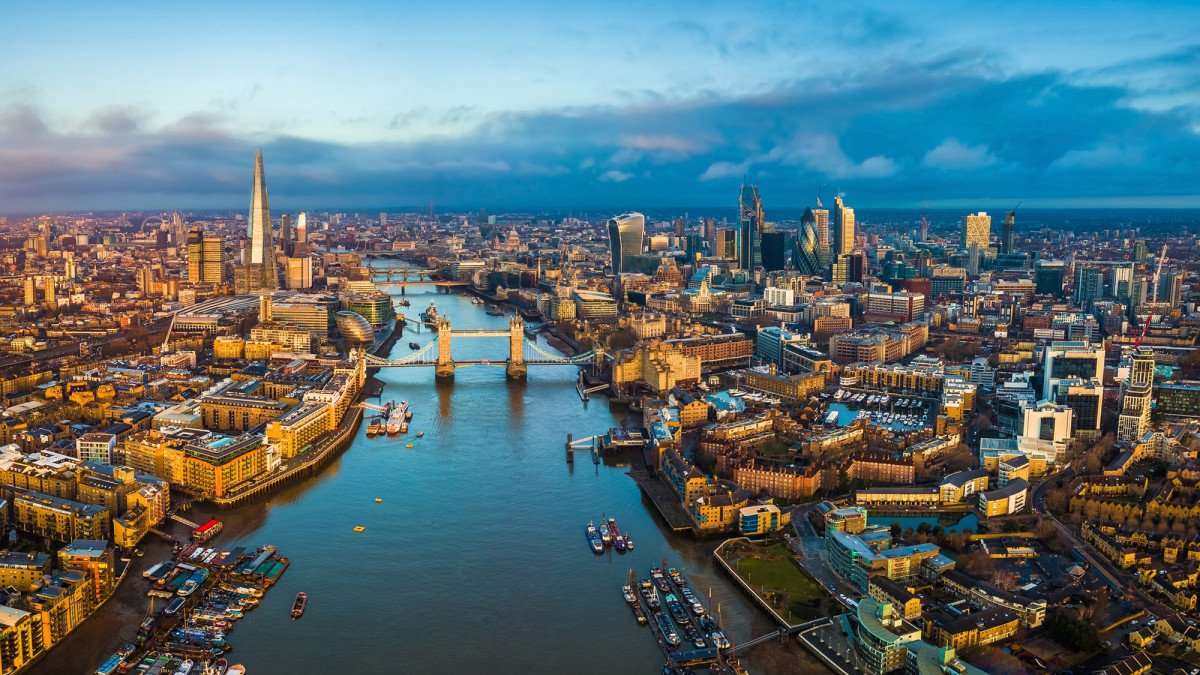
Thames Water, privatized by Prime Minister Thatcher in 1989, is the largest water company in the UK, serving 16 million customers in London and the Thames Valley. How can a relatively low-risk business like a water company come to be “financially troubled”? Everyone needs water and customer demand for it is stable, meaning that the revenue stream from its sales can support a high overall debt load—up to a point. And this is where things break down. Thames Water has roughly £23 billion of assets and £20 billion of debt, an 87% debt-to-assets ratio. In the US and other parts of the world, investor-owned water and sewer utilities have debt ratios in the 50-65% range.
Critics point to the £7 billion of dividends paid to shareholders since privatization as the source of the financial difficulties, which misses the point. Well-run utility companies can pay big dividends as long as they constitute a sustainable percentage of earnings and the company retains the ability to raise new money when needed to meet its public service responsibilities.
Début de l'article, extrait de OilPrice.com. Pour lire la suite, ouvrez l'article chez le média.
MarketNews présente le titre et le résumé publiés par le média. L'article complet se lit sur le site de l'éditeur. (oilprice.com)

