Asia’s payment revolution is really a monetary sovereignty story
Detailed summary
Asia’s payment landscape is changing in ways that are easy to overlook. An Indonesian tourist can now pay at participating merchants abroad by scanning a QR code through a…
Asia’s payment landscape is changing in ways that are easy to overlook. An Indonesian tourist can now pay at participating merchants abroad by scanning a QR code through a domestic payment app.
Foreign visitors can do the same in Indonesia. Behind that simple transaction lies a much larger shift. Asian central banks are building a regional payment network that gives their economies greater control over how money moves across borders.
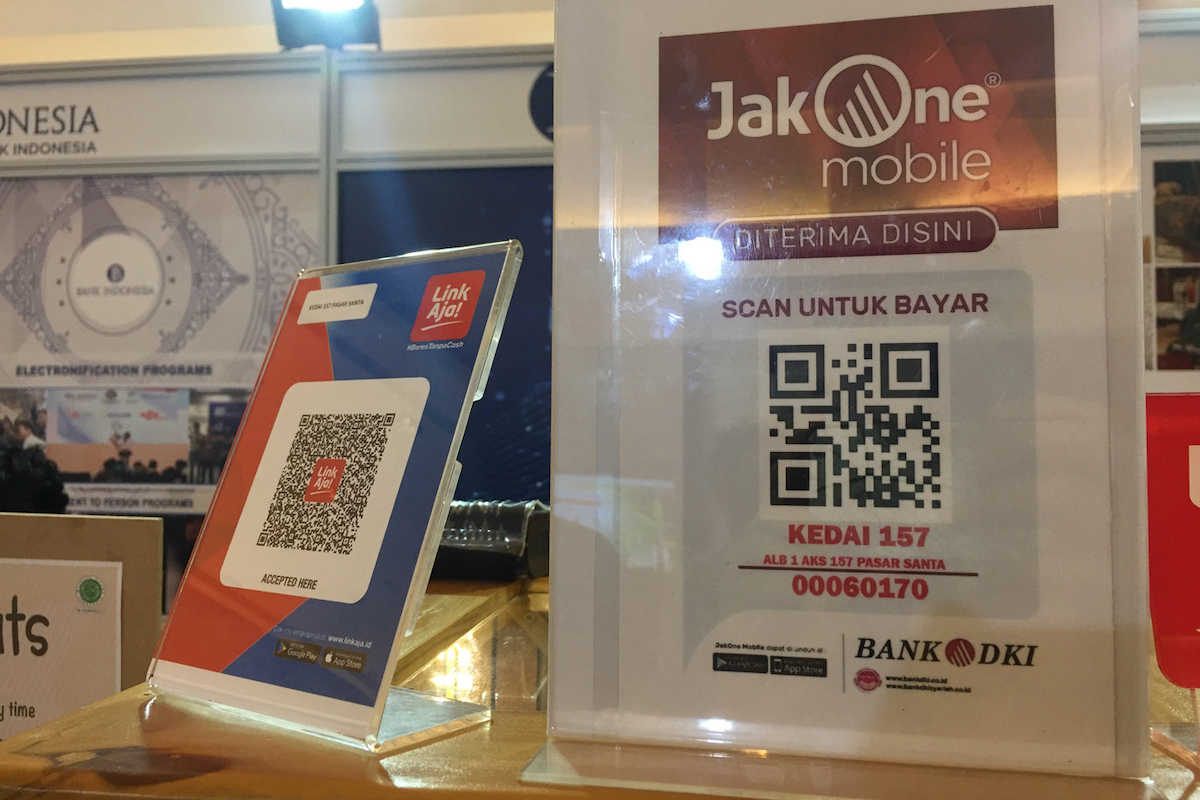
Indonesia offers one of the clearest examples. Bank Indonesia introduced the Quick Response Code Indonesian Standard, or QRIS, to unify a fragmented domestic QR-payment market. Merchants no longer needed to display different codes for every payment provider.
Adoption has been rapid. In the first half of 2026, QRIS processed 12.55 billion transactions worth around 600.7 trillion rupiah. It was used by more than 66 million people and nearly 45 million merchants, most of them micro, small and medium-sized enterprises.
Transaction volume was twice the level recorded in the first half of 2025. These numbers matter because Indonesia is not taking an experimental platform overseas. It is extending a domestic payment system that has already achieved mass adoption.
Cross-border QRIS payments have connected Indonesia with several regional partners, allowing Indonesian travelers to use participating domestic applications abroad and visitors from partner countries to pay Indonesian merchants. This is usually described as a story about convenience, tourism and digital innovation.
But its strategic significance goes further. When payments are directly connected and settled in local currencies, consumers and businesses can avoid unnecessary currency conversions. A transaction between two Asian countries does not always need to pass through a third currency before reaching its recipient.
That does not mean Asia is abandoning the US dollar. The dollar remains central to trade invoicing, foreign-exchange reserves, commodity markets and international finance.
Thi…
Opening of the article, excerpted from Asia Times. To read the rest, open the article on the publisher's site.
MarketNews shows the headline and summary published by the outlet. The full article is on the publisher's website. (asiatimes.com)