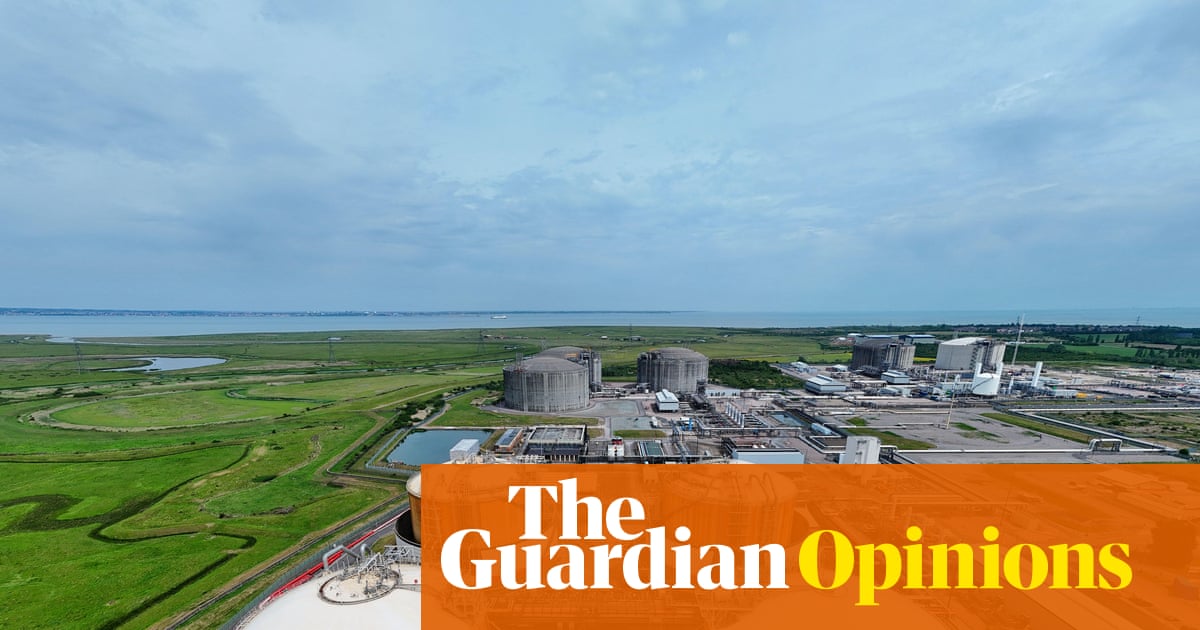
More gas storage is at risk. What’s the government plan for secure supplies?
详细摘要
SSE’s threat to close a big storage facility in Yorkshire highlights successive governments’ failures to build a strategy and safeguard suppliesLabour faces double blow over UK…
SSE’s threat to close a big storage facility in Yorkshire highlights successive governments’ failures to build a strategy and safeguard supplies
For those who followed the many months of government dithering over whether to approve production at the Jackdaw gasfield off the coast of Aberdeen, Scotland, there was a treat on social media this week.
It was the sight of Michael Shanks, energy minister, almost dancing a jig of delight as the first output from Jackdaw flowed into the national gas network. “It will increase domestic production and further boost our energy security during the transition to electrification and decarbonisation,” he declared.
To which the only possible response is: if the security benefit of using domestic gas during transition is so clear (and it is, as argued here from time to time) why did it take a year of ministerial agonising before the inevitable thumbs up arrived?
Still, you might think, at least the government now has a joined-up approach to gas. The long-term part is about rolling out the renewables and heat pumps to continue the decline (albeit slowly) in annual gas consumption.
The other necessity is to ensure the infrastructure is sufficiently robust to handle those bleak, still and overcast winter days when electricity generation still relies on gas-powered stations and domestic demand for gas for heating is still high (23m gas boilers won’t disappear overnight).
But here is the now-annual reminder of the “emerging risk”, in the delicate official language, to gas security.
A year ago, a scary report from the government’s in-house body, the National Energy System Operator (Neso), warned of a danger of having too little gas to meet demand during a cold snap as soon as 2030 if a large piece of infrastructure – a gas import terminal, say – were to be out of action.
Now Neso, in its latest update, is saying it all over again. “Our updated analysis shows that the risk identified in our 2025 assessment remains, and that there is an ongoing…
文章开头,摘自The Guardian Business。如需阅读全文,请前往媒体网站。
MarketNews 仅展示媒体发布的标题和摘要,全文请在出版方网站阅读。 (www.theguardian.com)