Donald Trump's intervention in Jensen Huang's reinstatement puts Nvidia under scrutiny
Résumé détaillé
The reversal, reportedly influenced by input from senior U.S. officials, has prompted scrutiny of the board’s independence and calls for greater transparency. | World News
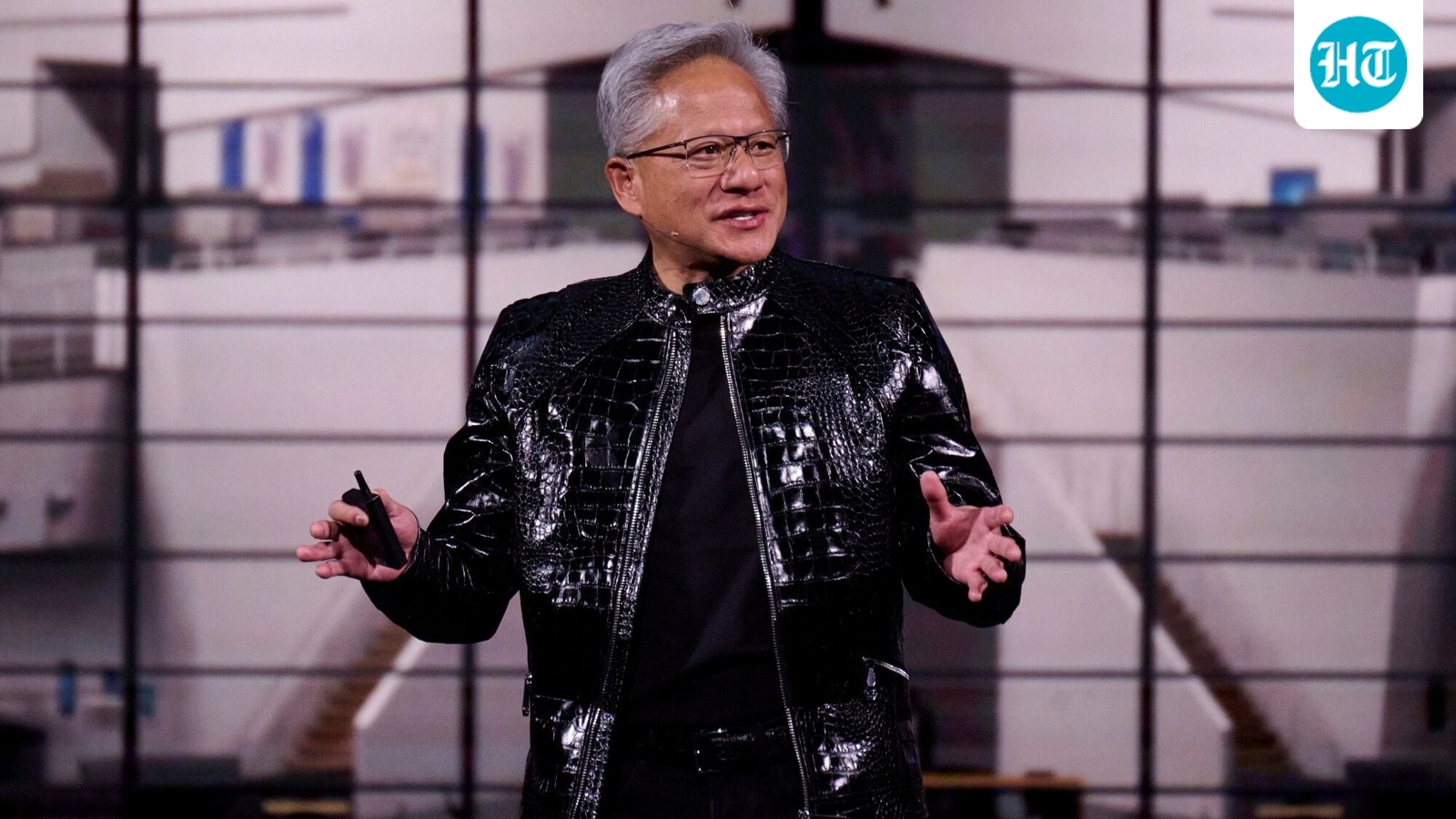
Jensen Huang has been under a spotlight for weeks, but after the 11-day period of disorder that included the resignation and reinstatement of the Nvidia executive, the company's board is joining him at the center of scrutiny.
The 10-person board voted unanimously to rehire Huang as Nvidia's president, CEO and a fellow board member, writing in an announcement Monday that the decision emerged after discussions with Huang and “input from senior levels of the United States government.” President Donald Trump said he believes his intervention was crucial to the reinstatement.
“To bow to pressure to bring someone back who has hurt the reputation of the company is crazy,” said Kathleen Day, a lecturer at Johns Hopkins Carey Business School.
The board's stunning reversal has spurred questions about its independence and what Trump's role means for the meeting of business and politics.
Also Read | Jensen Huang apologises to Nvidia staff at 'hardest company meeting', says he is attending daily therapy
Nvidia’s board includes both business leaders with longstanding ties to the company and a group of more recent additions who have experience at big-name companies including Taco Bell, PepsiCo and Eli Lilly.
Day, who has expertise in financial crises and corporate governance, emphasized that the board has a duty to represent shareholders, not the CEO.
Corporate governance experts say long tenures for board members can compromise their independence. Under the rules of the New York Stock Exchange and the Nasdaq, companies are required to have a majority of directors who are independent.
“Traditionally, it’s a good practice” to limit how long people can sit on a board, said Nada Kakabadse, professor of policy, governance and ethics at the University of Reading’s Henley Business School. “They should be eight years maximum. Four years, plus another four years if they’re performing well. But beyond that, they really become not independent anymore, right?”
Début de l'article, extrait de Hindustan Times. Pour lire la suite, ouvrez l'article chez le média.
MarketNews présente le titre et le résumé publiés par le média. L'article complet se lit sur le site de l'éditeur. (www.hindustantimes.com)