US Army set to detonate ageing explosives despite risk of toxic fallout
Detailed summary
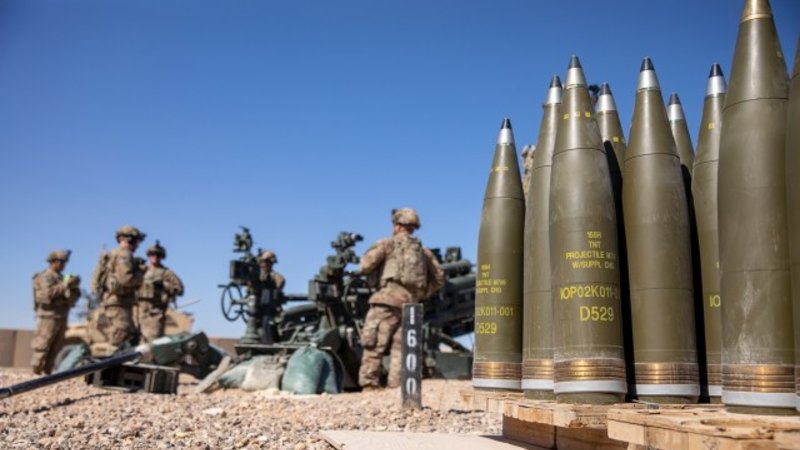
The best way to dispose of barrels of a lead compound used in detonators is to blow them up, the military says. Others fear it will create dangerous fallout.
The US Army has set off waves of anxiety in Iowa after it confirmed plans to carry out two controlled explosions at an ammunition facility there with just a few days’ notice – and it has invoked emergency provisions to avoid a court order that had put its plans on hold.
However, the explosions are expected to release a large plume of lead particles, and lead is a neurotoxin. The Iowa Army Ammunition Plant is in Middletown, a town of about 360 residents in south-east Iowa. People and farms would be in the path of the plume as the wind blows it for kilometres.
The detonations were briefly delayed after a backlash and rescheduled for November 23. A federal appeals court separately paused the Army’s emergency Environmental Protection Agency permit for the detonations after two groups sued, but the US Justice Department argued that the permit wasn’t necessary in the face of an immediate threat.
The Justice Department told the court in a response late on November 21 that the Army intended to carry out the detonations by November 24. A precise date and time weren’t immediately released.
The Army had hired a firm in March to use chemicals to neutralise the munitions, The New York Times reports, but it later cancelled the contract, citing safety concerns. Having people handle the explosives increased the risk of accidental detonation, the Army said in documents.
The Iowa base plays a critical role in the nation’s defence as the main facility for loading explosives into artillery and mortar shells used by the Pentagon, The Times reports.
With all the concern, Patrick O’Shaughnessy, a professor of occupational and environmental health at the University of Iowa, explained the risks people in the region would face. O’Shaughnessy is part of a team scrambling to have testing in place when the Army carries out its detonation plan.
If you picture a dust plume, it carries particulate matter that can get into the lungs as you breathe.
Those particles will settle over the area downwind of the…
Opening of the article, excerpted from Brisbane Times. To read the rest, open the article on the publisher's site.
MarketNews shows the headline and summary published by the outlet. The full article is on the publisher's website. (www.brisbanetimes.com.au)