Commentary: Extreme weather risk is scaring big firms away from poor countries
Résumé détaillé
Companies rarely say why they’re avoiding a particular location, but their climate-related concerns occasionally become visible, says this academic.
Companies rarely say why they’re avoiding a particular location, but their climate-related concerns occasionally become visible, says this academic.
PHOENIX, Arizona: When multinational companies decide where to build a factory, open a mine or establish a regional office, they have to consider whether the investment will still be profitable years into the future.
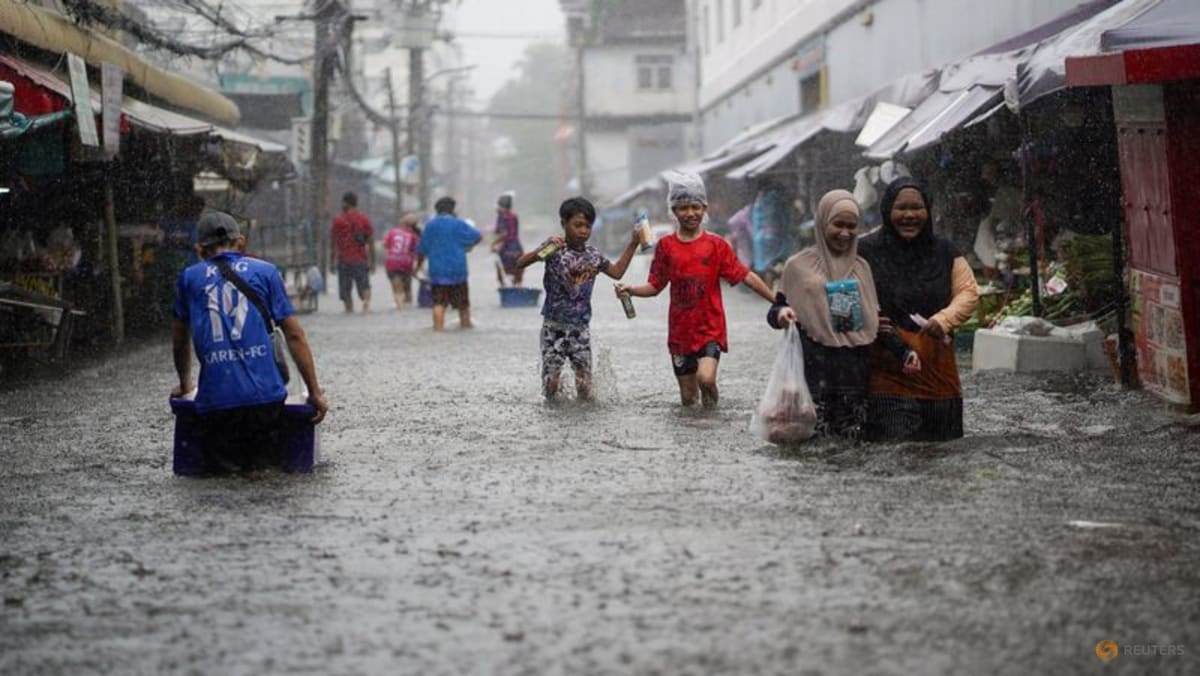
Making that decision increasingly means thinking about risks, like whether surrounding roads will flood, worker safety will be compromised by extreme heat in the summer, and clean water will be available.
As climate change increases the frequency and intensity of extreme weather events around the world, these effects can be especially severe in poorer countries that lack the resources to prepare for disasters or recover quickly after they hit.
I study how political and environmental risks affect international business. In my new book, Multinational Corporations and Climate Change: Risks, Responsibilities, and Resilience, I explore how disaster risk is affecting the ways global companies see these climate-vulnerable markets, and how those views are leading some foreign investors to avoid these developing nations altogether.
Low- and middle-income countries aren’t the only ones that suffer when multinational corporations pass them by. The companies themselves also stand to lose out on business opportunities in emerging markets if they pull away.
Evidence from several studies suggests that multinationals are systematically avoiding investing in the most climate-vulnerable countries. These include my own analysis of 159 countries. Although these studies focus on different samples, they identify the same trend: Countries characterised by greater climate vulnerability received less foreign investment.
The results are not trivial. My book identifies a 12 per cent reduction in foreign direct investment for each 1-point rise in climate vulnerability on a 100-point scale, while holding other relevant factors constant.
Compan…
Début de l'article, extrait de CNA. Pour lire la suite, ouvrez l'article chez le média.
MarketNews présente le titre et le résumé publiés par le média. L'article complet se lit sur le site de l'éditeur. (www.channelnewsasia.com)