Ukraine Has Shaken Russia's Confidence in Its Naval Power Projection
Résumé détaillé
Ukraine cannot necessarily destroy Russia’s entire naval and commercial fleet, but it can make it slower and more expensive. The likely trajectory is toward more attacks on…
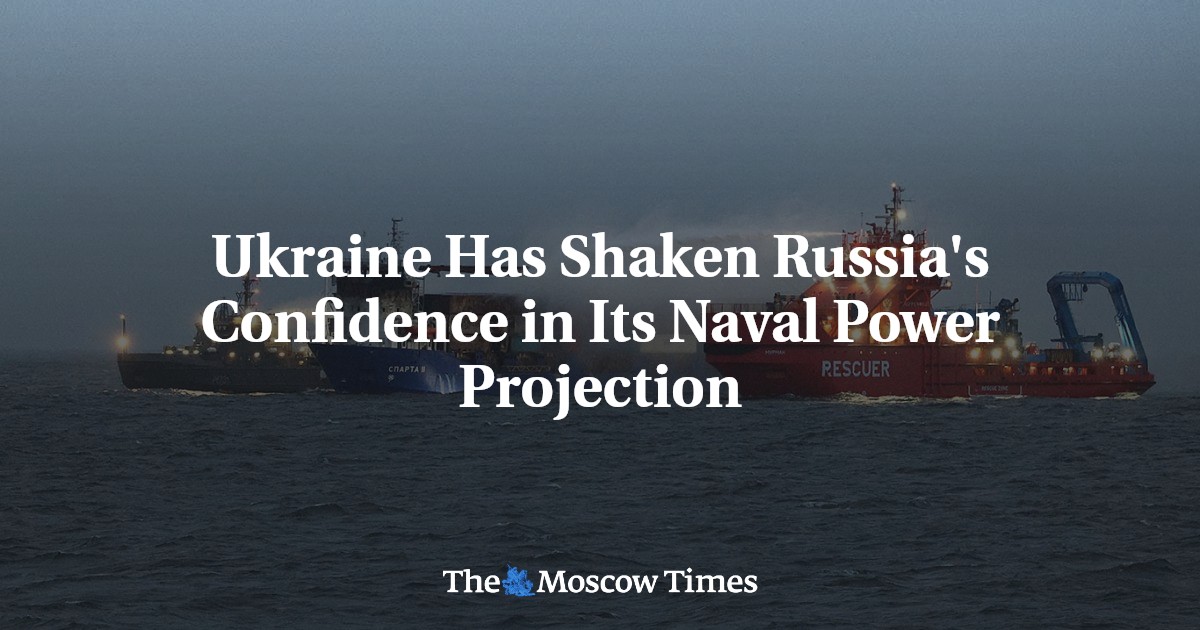
Russia’s maritime power has always depended on its reach across multiple seas, even beyond its maritime border. But that power projection is now under threat after Ukraine carried out strikes against Russian-linked vessels near Libya and in the Gulf of Finland, making Russia’s entire presence at sea more expensive and politically complicated to defend.
The Merkury strike on November 22 is especially significant because the corvette was reportedly refueling and resupplying at Benghazi, where its crew likely assumed it would be safe. At sea, a vessel can disperse and maneuver away from threats and rely on layered defenses. Tied up to a quay, it is much more vulnerable. By striking it in port, Ukraine demonstrated that Russian naval assets cannot simply retreat from the Black Sea and assume safety in a Mediterranean port.
That does not necessarily mean Ukraine has established a permanent military presence in Libya. The political and legal sensitivities are obvious: Libya is in a fragile state, home to competing authorities with different relationships to foreign powers. But Russia must now assume that its vessels may be vulnerable in Libyan ports and along Mediterranean transit routes, even while refueling.
The political consequences are equally important. Libya’s eastern authorities condemned the Benghazi strike as a violation of Libyan sovereignty, while the internationally recognized government in Tripoli warned against foreign forces operating from Libyan territory. Further complicating the response was the United Nations mission in the country, which called for an independent investigation.
For Kyiv, that friction is manageable but not cost-free. Ukraine risks complicating relations with governments that do not want their territory used as a staging ground for attacks if Kyiv sees an opening.
For Moscow, however, the message is more damaging: Russia’s maritime presence in North Africa — a region it has become used to flexing its muscles in with little blowback — is…
Clo…
Début de l'article, extrait de The Moscow Times. Pour lire la suite, ouvrez l'article chez le média.
MarketNews présente le titre et le résumé publiés par le média. L'article complet se lit sur le site de l'éditeur. (www.themoscowtimes.com)