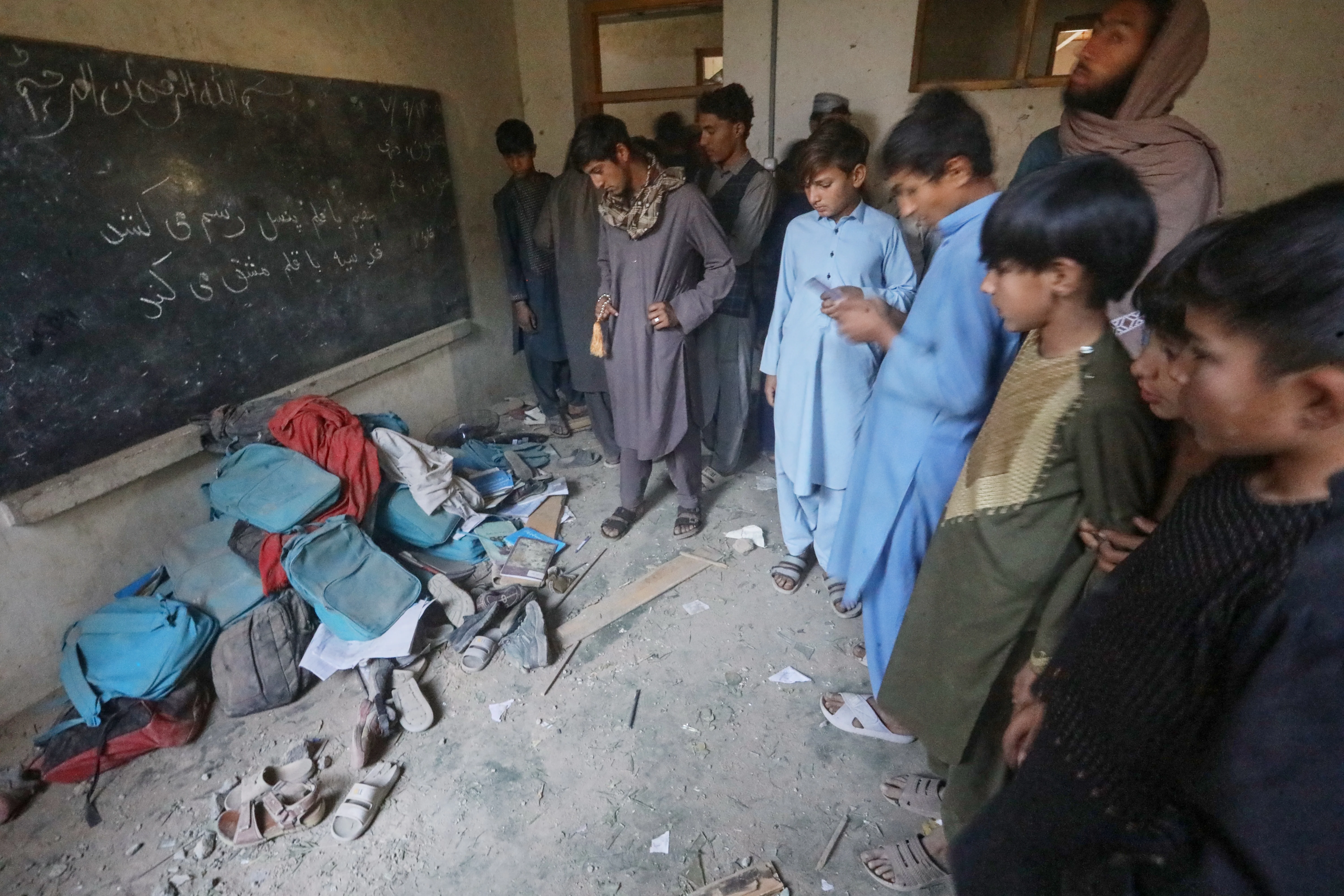
Afghan women in U.S. fear returning to Taliban rule
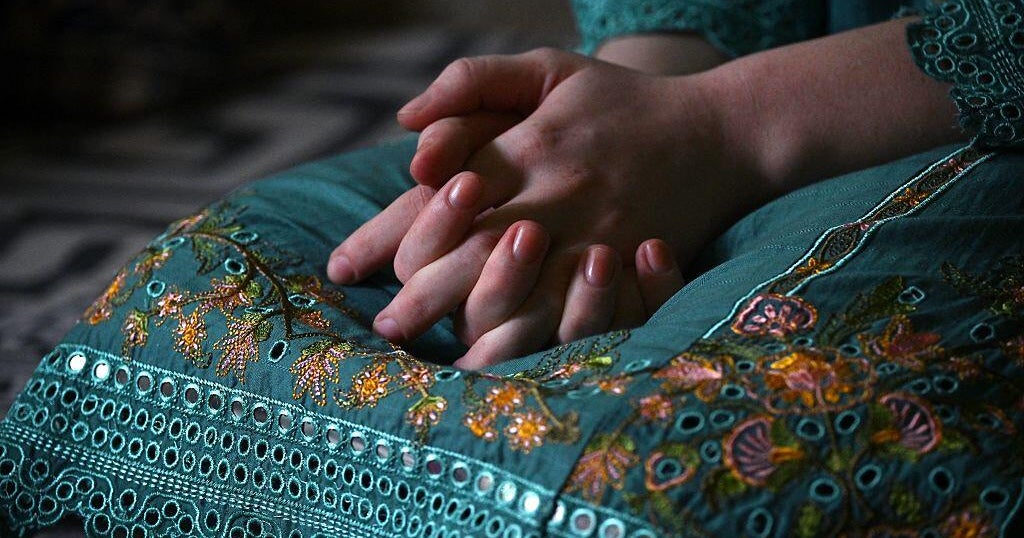
Detailed summary
The threat of imminent deportation may have subsided, but some Afghan women who fled Taliban rule still face anxiety and legal limbo in America.
Ever since the Trump administration announced earlier this month that it planned to deport nearly 200 Afghans through Pakistan back to their Taliban-controlled homeland, some in the Afghan community in America have been watching and waiting in fear.
A federal judge temporarily blocked a planned Nov. 3 flight, but many Afghans still feel stuck in limbo. The deportations could lead to some who helped the U.S. in the war in Afghanistan being persecuted by the Taliban, advocates and others fear.
Frequent changes to immigration policies have placed immense strain on the Afghan community, said Naheed Samadi Bahram, U.S. country director for Women for Afghan Women, a U.S.-based humanitarian organization advocating for Afghan women's rights.
"It also brings a lot of stress and anxiety to the community members who are unsure of their future in the United States," Bahram said. "They don't know if they are being deported or sent back to Afghanistan, where the only thing they will be faced with will be death or threats."
Bahram added it is especially tough on the women "who are really the backbone of the family."
There were reports of at least three women on the canceled flight, said Shawn VanDiver, president and founder of #AfghanEvac, an advocacy group supporting Afghan allies who were resettled in the U.S.
Two Jane Does are listed as plaintiffs in a court case filed Nov. 2 by nonprofit Project Rousseau in the U.S. Southern District of New York, which asked a federal judge for an emergency order to stop the planned removals.
If returned to Afghanistan, women "will face the consequences more than anyone in the family," Bahram said.
Women in Afghanistan have been barred from most jobs, university, secondary school and political life since the Taliban returned to power. Early and forced marriage remains common, with nearly 30% of Afghan girls under 18 married, according to U.N. Women. Additionally, the risk of violence against women and girls has increased, the organization said.
Opening of the article, excerpted from CBS News. To read the rest, open the article on the publisher's site.
MarketNews shows the headline and summary published by the outlet. The full article is on the publisher's website. (www.cbsnews.com)