Economic gloom ‘hurt Victorian Labor’ in warning sign for Albanese
Résumé détaillé
Fresh analysis shows Australia’s inflation rate has climbed more steeply than comparable nations, increasing pressure on the PM over fiscal discipline and productivity.
Economic pain and rising interest rates played a role in Victorian Labor’s historic election loss, Deputy Prime Minister Richard Marles and party powerbrokers Bill Shorten and Stephen Conroy have conceded as pollsters warn the economy must be turned around to stop federal Labor’s primary vote from dipping into election-losing territory.
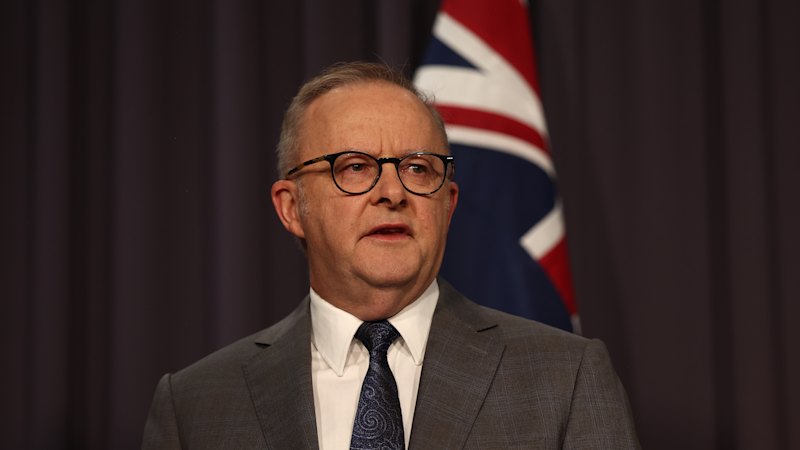
Fresh analysis from AMP shows Australia’s inflation rate has climbed more steeply than in comparable nations since the war in Iran, piling pressure on Prime Minister Anthony Albanese over fiscal discipline and productivity.
While Labor’s defeat in Victoria on Saturday was fought on state issues including debt and corruption, Conroy said: “Overall economic conditions and the RBA raising interest rates twice during the campaign weighed heavily on Labor’s campaign.”
“The [Melbourne] Cup day increase particularly impacted by beginning a decline in Labor’s primary vote that continued until polling day,” he told this masthead, referring to the bank’s fifth hike of the year in early November.
Conroy’s remarks, coming from a former senator close to outgoing Premier Ben Carroll, reflect a broader view inside Victorian Labor that a gloomy national economy exacerbated a disastrous campaign by Carroll’s team, a range of state issues, and voter fatigue with a long-term government.
Marles, who is also factionally aligned with Carroll, said on Saturday night: “It is obviously the case that the backdrop to this is a pretty challenging economy right now.
“We’ve had two interest rate rises in recent times and that forms the backdrop of what’s occurred here.”
Sticky inflation that caused the central bank to raise rates once before the war in Iran has worsened since the closure of the Strait of Hormuz, leading to a headline inflation rate of 4.9 per cent in October when fuel prices spiked.
Albanese has tried to distance Labor from the central bank’s decisions and the government has committed to cutting spending in next month’s mid-year budget review, although…
Début de l'article, extrait de The Age. Pour lire la suite, ouvrez l'article chez le média.
MarketNews présente le titre et le résumé publiés par le média. L'article complet se lit sur le site de l'éditeur. (www.theage.com.au)