Indigenous creatives facing ‘double colonisation’ at the hands of AI
详细摘要
The government is developing laws to protect copyright holders, but Indigenous knowledge is not yet protected.
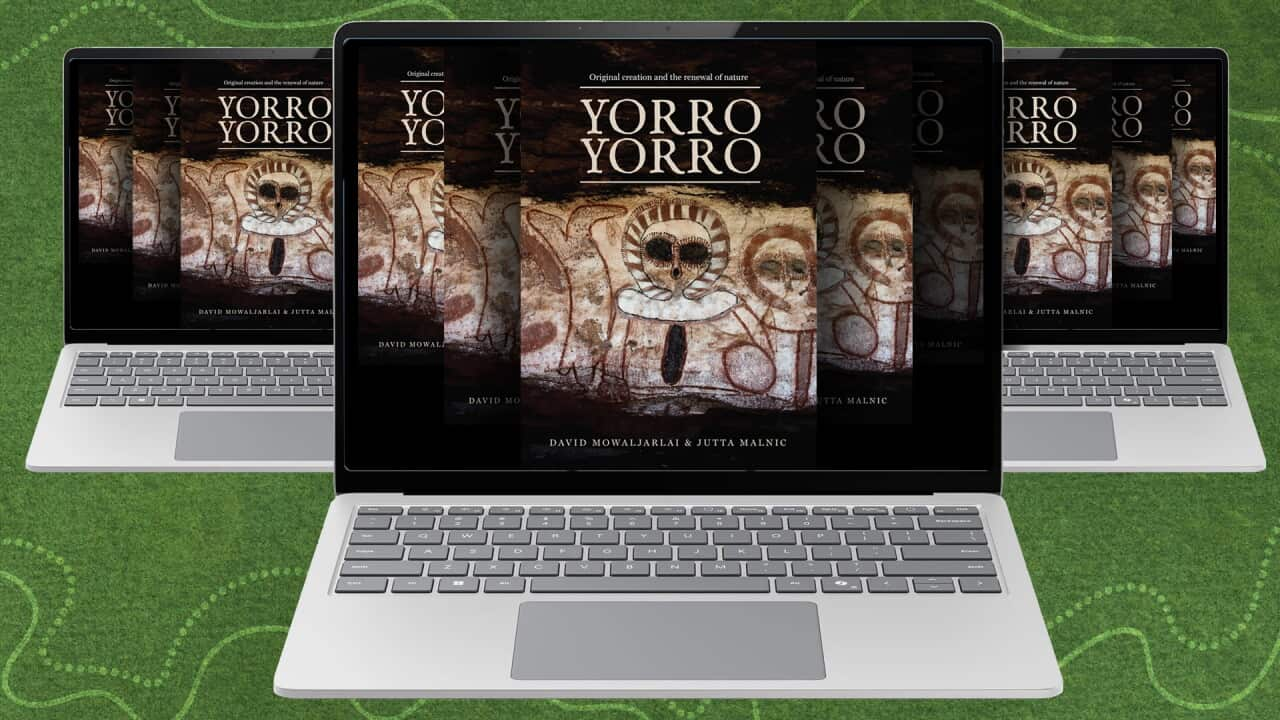
According to Dr Lilly Brown, the CEO of Magabala Books, the Aboriginal publishing house has recently had 37 of its titles scraped by Meta.
“One of our creators who had their story, one of their books, scraped by Meta talked about it as 'double colonisation',” the Gumbaynggirr woman said.
“This is something First Nations people have been dealing with for a really long time and AI is just the next iteration of that.”
Dr Brown said the Magabala titles were used without the authors' knowledge to train AI models, perpetuating the emotional, social and economic harm of colonisation.
Magabala Books was founded in the 1980s to respond to non-Aboriginal people taking First Nations stories and knowledge without permission, attribution or payment, but as history repeats, Dr Brown says the publisher has no power to stop it.
“To seek justice means that there needs to be laws in place that we can use as levers or fighting sticks to hold these companies accountable.
Prime Minister Anthony Albanese has said using creatives' work without permission amounts to "theft" but hasn't said how the government will protect their rights.
The report recommends Australian creatives be paid when their work is used for commercial gain, calls for transparency on how content is harvested and used to train AI models, and proposes new penalties to punish companies if they breach the law.
However, it will be months before creatives have clarity on what the laws might look like and concerns continue around whether smaller creators could be short-changed.
文章开头,摘自SBS News。如需阅读全文,请前往媒体网站。
MarketNews 仅展示媒体发布的标题和摘要,全文请在出版方网站阅读。 (www.sbs.com.au)