El Nino mostly to blame for Indonesian wildfires: research
Résumé détaillé
El Nino was largely to blame for an extreme lack of rainfall in the Southeast Asian archipelago from July to October, reducing seasonal rainfall by about half, according to a…
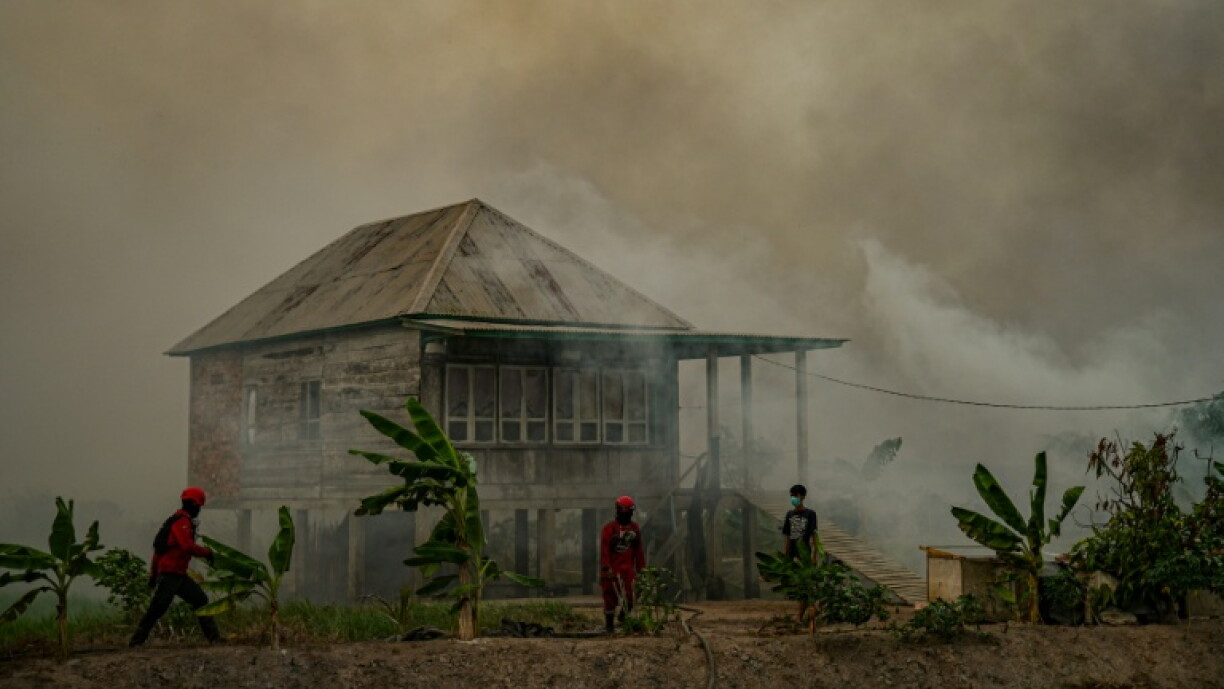
Wildfires that consumed vast swathes of Indonesia this year were driven largely by a strong El Nino, fuelled by climate change and decades of natural landscape destruction, researchers said Friday.
El Nino was largely to blame for an extreme lack of rainfall in the Southeast Asian archipelago from July to October, reducing seasonal rainfall by about half, according to a report by scientists from the World Weather Attribution (WWA) group.
"Seasonal temperatures from August to October were dominated by climate change -- primarily from the burning of fossil fuels -- which made the seasonal heat about 1.6°C hotter," said the report.
"Human-induced warming made these (fire-prone) atmospheric conditions about three times more likely as well as more intense."
The researchers also pointed to deforestation and peatland drainage for agriculture, mining and logging as major contributors to the fire disaster.
Smoke from the wildfires made hundreds of thousands ill in Indonesia from breathing in toxic haze and exposed many more in neighbouring countries to dangerously high air pollution levels.
"Indonesia's landscapes have changed dramatically over the last 30 years, with extensive peatland drainage and deforestation creating landscapes that can be extremely vulnerable to ignition," said meteorologist Pramudhian Firdaus of the FLARE Wildfire Research group.
"These findings show how both emissions reductions and sustained forest and peatland protection are important in reducing future risk."
Wildfires have burned through 2.88 million hectares (7.1 million acres) so far in 2026, according to the Nusantara Atlas deforestation monitor.
Début de l'article, extrait de RTL Today. Pour lire la suite, ouvrez l'article chez le média.
MarketNews présente le titre et le résumé publiés par le média. L'article complet se lit sur le site de l'éditeur. (today.rtl.lu)