Iconic wildlife photos, rare archives take centre stage at revamped Nat Geo museum in Washington
Résumé détaillé
• The National Geographic Museum of Exploration is located on M Street NW in downtown Washington, DC. It is a short walk from the Farragut North and Farragut West Metro stations.…
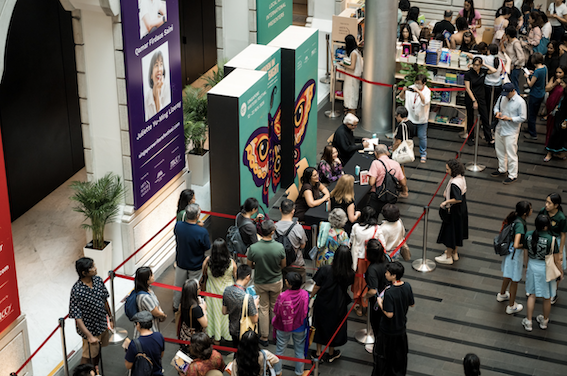
The National Geographic Museum in downtown Washington, DC, reopened in June this year under a new name: the National Geographic Museum of Exploration, or MOE.
First opened in 1976 at the National Geographic Society’s headquarters, the museum closed for renovation in 2022. Spanning more than 9,000 square metres and backed by over US$300 million (roughly 10 billion baht) in funding, the revamped building reimagines the traditional museum experience through immersive technologies and interactive exhibitions.
“From the moment you step through our doors, you are surrounded by the bold ideas, groundbreaking discoveries and moving stories of our explorers, leaving visitors inspired to ask bigger questions, pursue new possibilities and see themselves as explorers. The future of exploration belongs to all of us,” said Jill Tiefenthaler, CEO of the National Geographic Society.
Visitors experience a 360-degree panorama of wildlife from around the globe in “Photo Ark: Animals of Earth”, a temporary exhibit featuring striking portraits taken by photographer Joel Sartore. Part of his ongoing Photo Ark project, the showcase highlights more than 17,000 animal species photographed in zoos, aquariums and conservation centres worldwide. Presented on massive screens, the interactive images reveal the unique characteristics of each animal, including endangered and extinct species, while underscoring the importance of biodiversity conservation.
The adjacent gallery features “In Focus: Photographs of National Geographic”, a curated selection of the world’s most iconic images. Highlights include pioneering night-time wildlife photographs by George Shiras III, who began experimenting with camera traps and magnesium-powder flash photography in 1889 – a technique he called “flashlight trapping”. In 1906, National Geographic magazine published 74 of his photographs, and in 1928, Shiras donated 2,400 of his glass plate negatives to the Society.
Another poignant highlight is Ami Vitale’s photograph…
T…
Début de l'article, extrait de Thai PBS World. Pour lire la suite, ouvrez l'article chez le média.
MarketNews présente le titre et le résumé publiés par le média. L'article complet se lit sur le site de l'éditeur. (www.thaipbsworld.com)