Bangladesh garment-makers threaten to quit wage talks
Résumé détaillé
Unions representing Bangladeshi garment manufacturers threatened on Saturday to walk away from wage negotiations and to shut factories indefinitely if protesters kept vandalising…
Unions representing Bangladeshi garment manufacturers threatened on Saturday to walk away from wage negotiations and shut factories indefinitely if protesters kept vandalising them during demonstrations for higher pay.
Bangladesh is the world's second-largest garment exporter after China, producing clothes for major international brands like Fruit of the Loom, Levi Strauss and VF Corp, whose labels include Vans, Timberland and The North Face.
Worker unrest over wages began in October and has occasionally turned violent, with demonstrators torching police vehicles and damaging property during clashes this month.
The two main manufacturing unions -- the Bangladesh Garment Manufacturers and Exporters Association (BGMEA) and the Bangladesh Knitwear Manufacturers and Exporters Association (BKMEA) -- sharpened their rhetoric on Saturday.
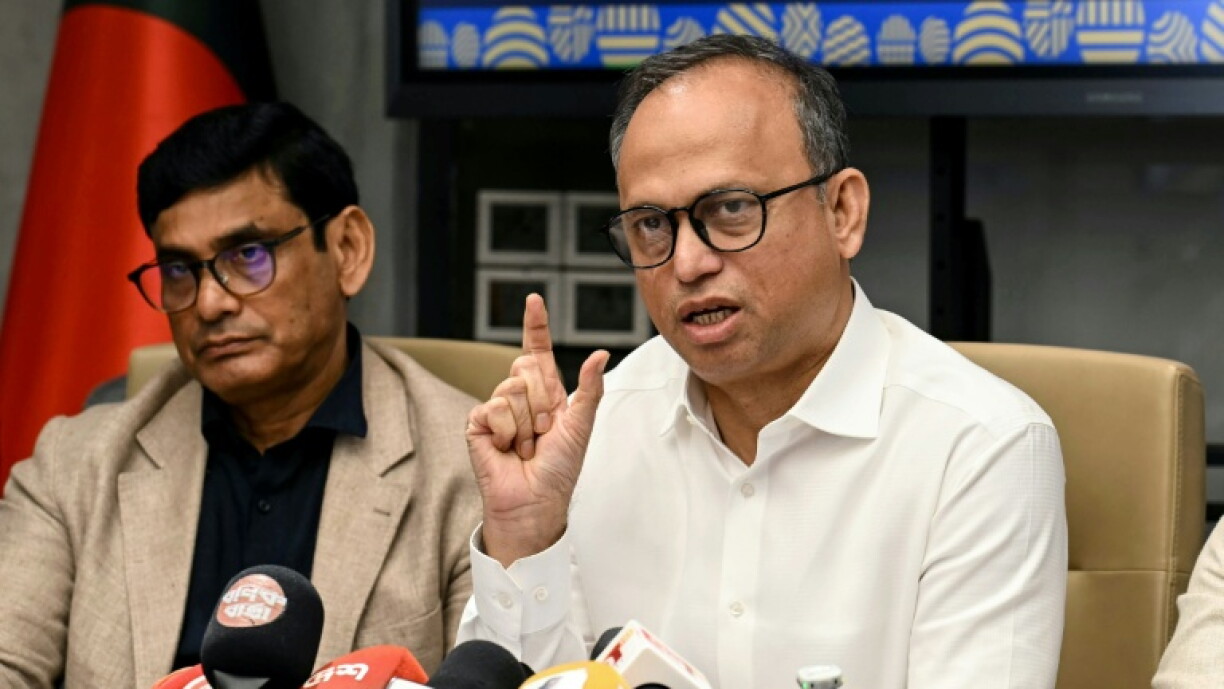
"BGMEA and BKMEA have questioned the justification of continuing to participate in wage board negotiations without any assurance that the factories will be protected," BGMEA President Mahmud Hasan Khan said at a news briefing in the capital Dhaka.
"Garment factories that have been unable to continue production due to the ongoing unrest will remain indefinitely closed from tomorrow under... Bangladesh's labour law," he added.
The "no work, no pay" provision of Bangladesh labour law allows factory owners to suspend operations without paying workers.
Workers say rising food, housing, transport and healthcare costs have eroded their purchasing power in a country where inflation is running at around eight percent.
They are demanding a minimum monthly wage of 30,000 taka ($240) -- a 140-percent increase on the current 12,500 taka.
Début de l'article, extrait de RTL Today. Pour lire la suite, ouvrez l'article chez le média.
MarketNews présente le titre et le résumé publiés par le média. L'article complet se lit sur le site de l'éditeur. (today.rtl.lu)