An iconic puzzle comes home as production of the Rubik's Cube returns to Hungary
Résumé détaillé
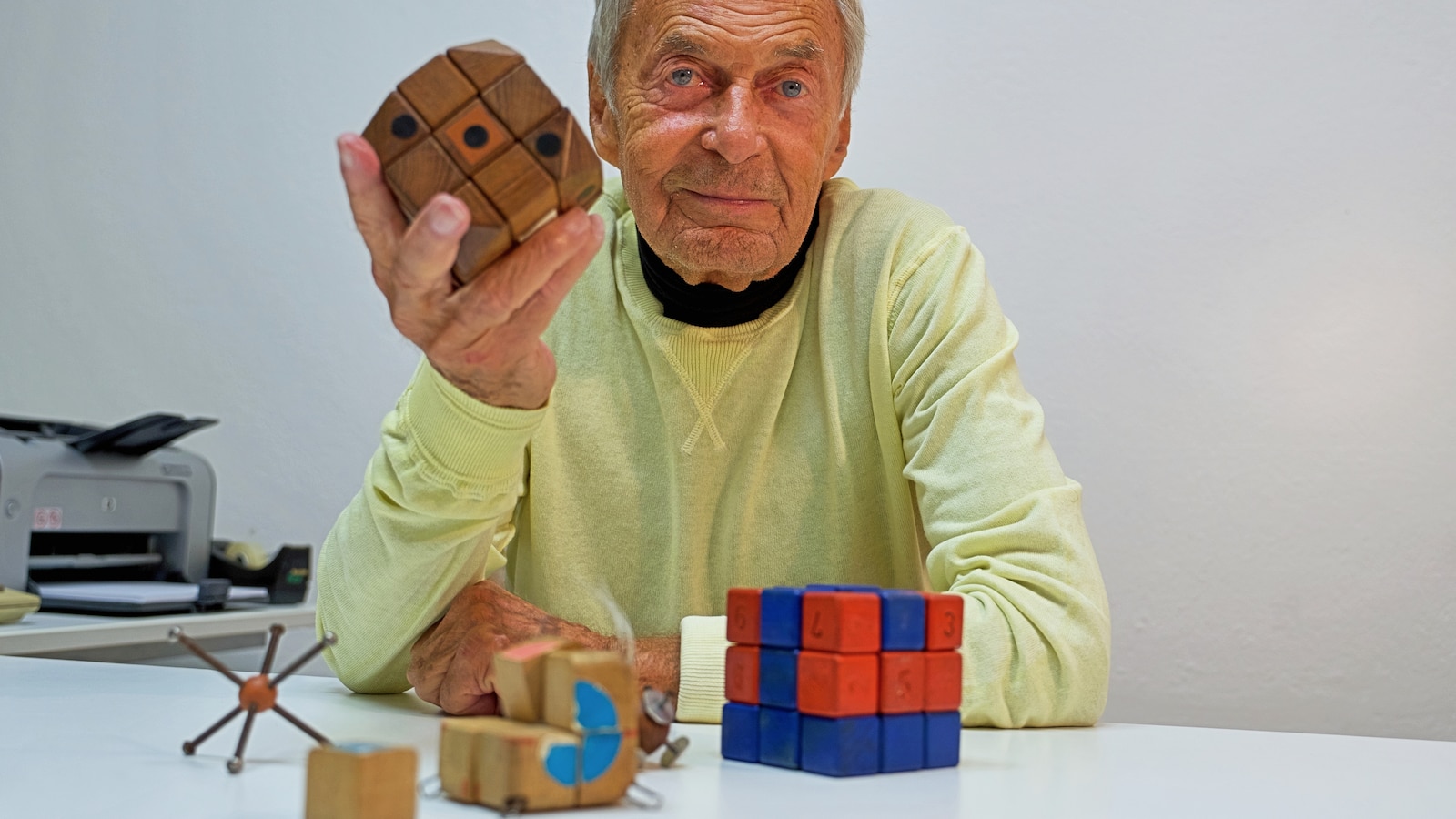
The Rubik's Cube, invented by Hungarian architect Ernő Rubik in 1974, has become one of the world's most beloved puzzles
The Rubik's Cube, invented by Hungarian architect Ernő Rubik in 1974, has become one of the world's most beloved puzzles
BUDAPEST, Hungary -- More than half a century ago, a Hungarian architect, sculptor and professor invented what would become one of the world's most popular and beloved puzzles whose appeal has spanned generations: the colorful, mind-bending, six-sided Rubik's Cube.
Now, after selling more than half a billion units and becoming a worldwide cultural touchstone, production of the cube is returning to Hungary, where its inventor, Ernő Rubik, first conceived of the iconic object that bears his name.
Hungary “is the home of the cube. The cube was born here,” Rubik, 82, said on Tuesday at the opening of a new, fully automated Rubik's Cube production line in the Hungarian city of Jászberény.
Recognizing its consumer value, Rubik soon began producing more of the puzzles. Beginning in 1977, an initial 5,000 units of what was then called the “Magic Cube” were sold at specialty shops in the Hungarian capital.
The invention — or what Rubik prefers to describe as a “discovery” — gained popularity, and after having difficulties procuring materials for the cubes in then-socialist Hungary, he realized: “We were not prepared for that size of production ... We can’t fulfill the needs of the market worldwide.”
The cube was licensed to a British and then a U.S. toy company, and its production was moved abroad. By the early 1980s, its popularity had exploded in what Rubik called “the first big wave,” in which he said 200 million units were sold between 1980 and 1983.
While sales of the cube dipped after its initial success, it still attracts plenty of users eager to try their hand at solving the puzzle. Millions are sold every year.
At the new production line in Hungary, a series of robotic arms assembles the cubes and tests them for functionality and durability — a level of automation Rubik said was “very different” than in the early days when the cubes were assembled by…
Début de l'article, extrait de ABC News. Pour lire la suite, ouvrez l'article chez le média.
MarketNews présente le titre et le résumé publiés par le média. L'article complet se lit sur le site de l'éditeur. (abcnews.com)