The 30% discretionary trust tax passed into law – here’s what that means for business people using one
Résumé détaillé
The 30% trust tax has passed the Senate and is set to become law. Here’s what startup founders need to know.
A new 30% baseline tax on discretionary trusts will become law, after the federal government secured support from the Greens to pass its contentious reforms through the Senate on Wednesday.
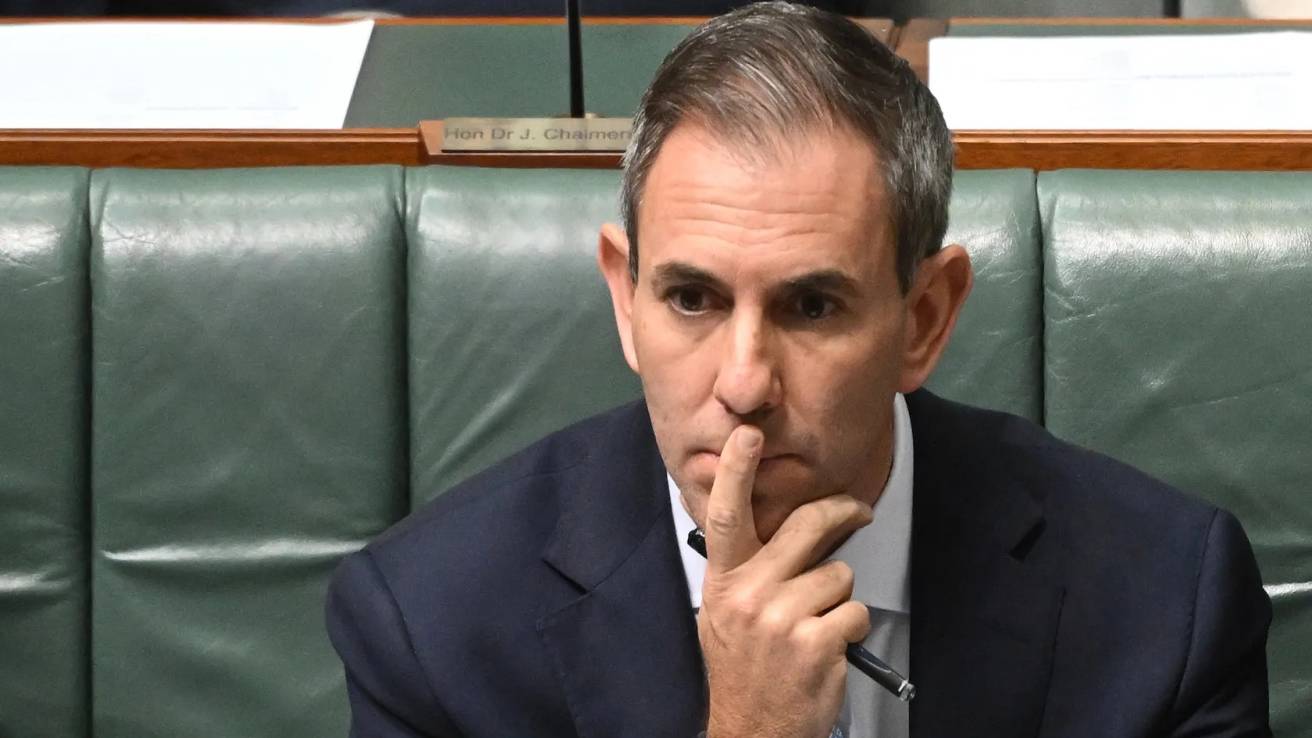
The bill returned to the House of Representatives on Thursday morning for a final sign-off, enshrining what Treasurer Jim Chalmers described as the “most ambitious tax reform package in a generation.”
The reforms will impose a new 30% tax at the trustee level from July 1, 2028.
This new tax will make it less effective to split income to beneficiaries whose personal income tax rates might be below 30%.
It will also provide beneficiaries a credit for tax already paid at the trustee level, ensuring individual beneficiaries are not directly slugged.
By continuing, you agree to our Terms & Conditions and Privacy Policy.
But those credits will not cover corporate beneficiaries, meaning distributions to ‘bucket companies’ will effectively be taxed twice.
The federal government argues the reforms will make the tax system fairer for wage-earning workers, who don’t benefit from tax-effective trust distributions.
“While there are legitimate reasons to use a trust, they also allow a small proportion of taxpayers to plan their tax affairs in ways that aren’t available to most Australians,” said Chalmers in a statement.
Début de l'article, extrait de Startup Daily. Pour lire la suite, ouvrez l'article chez le média.
MarketNews présente le titre et le résumé publiés par le média. L'article complet se lit sur le site de l'éditeur. (www.startupdaily.net)