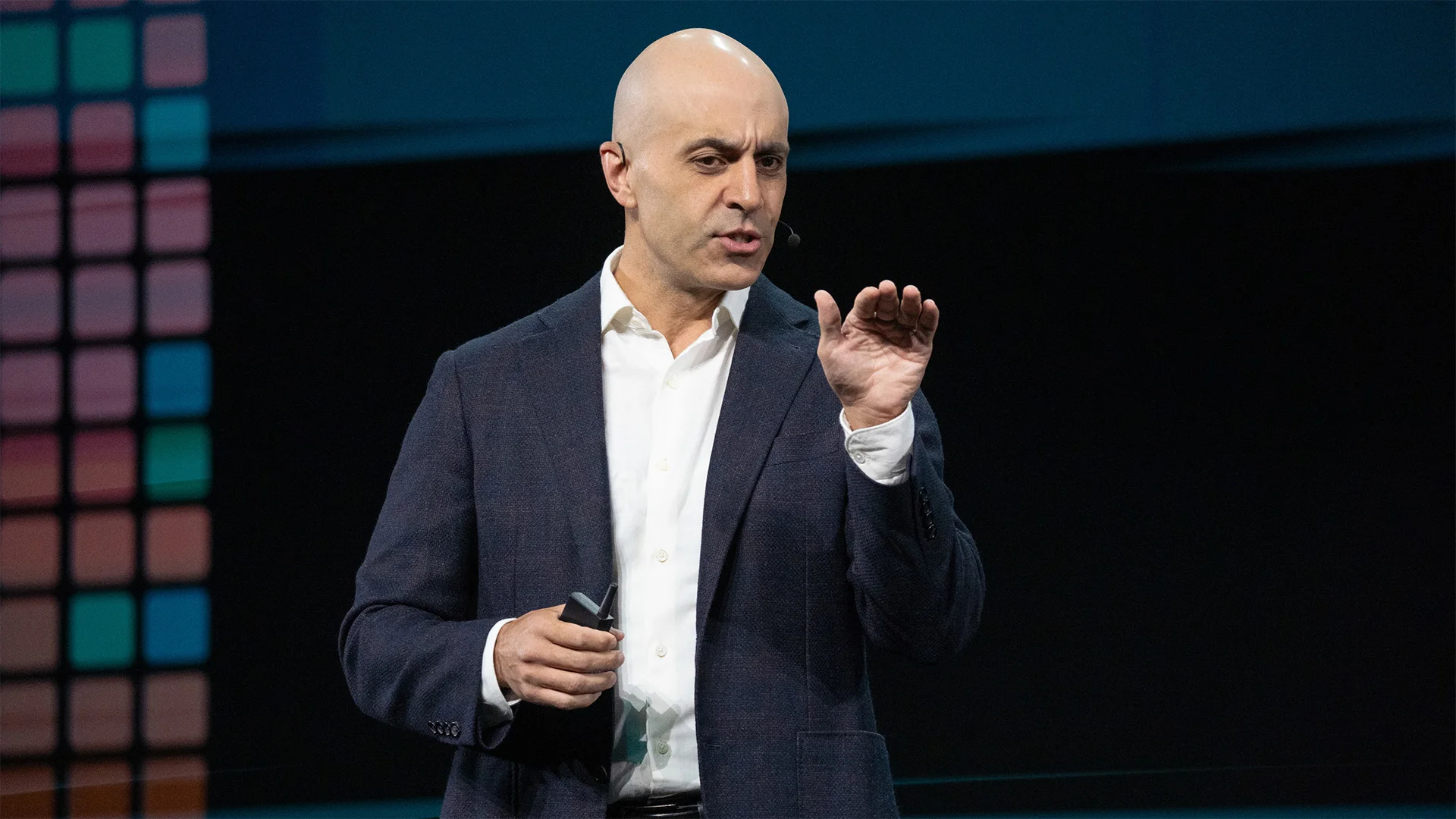
Honeywell Technologies CEO says 50 years of automation have gotten too complex for the humans running it
Detailed summary
Vimal Kapur says “physical AI” is the fix for hospitals, data centers and refineries where people can no longer keep up with the exceptions.
The automation that runs hospitals, data centers, and refineries got its start in the 1970s. Honeywell Technologies chairman and CEO Vimal Kapur says it has since grown too complex for the people still watching over it.
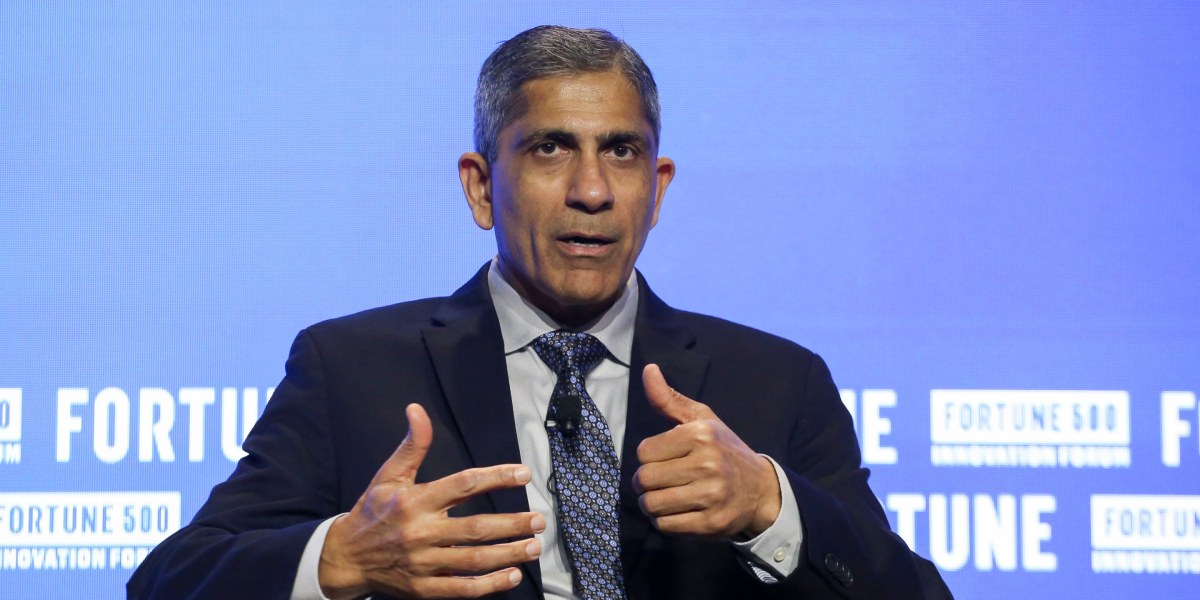
Speaking at the Fortune 500 Innovation Forum in Detroit on Monday, Kapur said those facilities run themselves for the most part, “maybe 95%,” with a person left in the loop to handle the exceptions. “Over the last 50 years since this got created, the systems have become highly complex because we kept adding more and more software and physical infrastructure to it,” he said. “So human cannot keep up with that at this point of time.”
He pointed to recent news as an example. “What happened in the last two weeks is an example of complexity,” Kapur said, where “humans are not able to keep up with it,” producing an “undesired incident.” He didn’t say which one, but the options are almost too numerous to count.
On Nov. 13, the FAA ordered a nationwide ground stop. Transportation Secretary Sean Duffy said the agency was focused on a copper-to-fiber upgrade by contractor L3Harris in El Dorado, Ark., that flooded routers with connection attempts and disrupted some radar feeds, while adding, “we don’t actually have the root cause.” On Nov. 12, Microsoft 365 began an outage that lasted more than a day. As of press time, many Americans were unable to access their bank accounts.
Kapur’s answer is what the industry calls “physical AI,” of which he said humanoid robots are a “very small portion.” His version goes into “every large asset which exists: hospital, data center, life sciences facilities, refineries.” It adds “a layer of learning system, the human knowledge” on top of the existing automation “so that you are able to make human more productive.”
The obstacle is data: “We assume that data is available abundantly on [the] internet,” Kapur said. “But when you look at a physical system, the data is in some system which is in this building or in this hospital.
Honeywe…
Opening of the article, excerpted from Fortune. To read the rest, open the article on the publisher's site.
MarketNews shows the headline and summary published by the outlet. The full article is on the publisher's website. (fortune.com)