By numbers alone, this business should have closed long ago – African Merino boss
Detailed summary
Five months of production lost this year due to water and electricity interruptions.
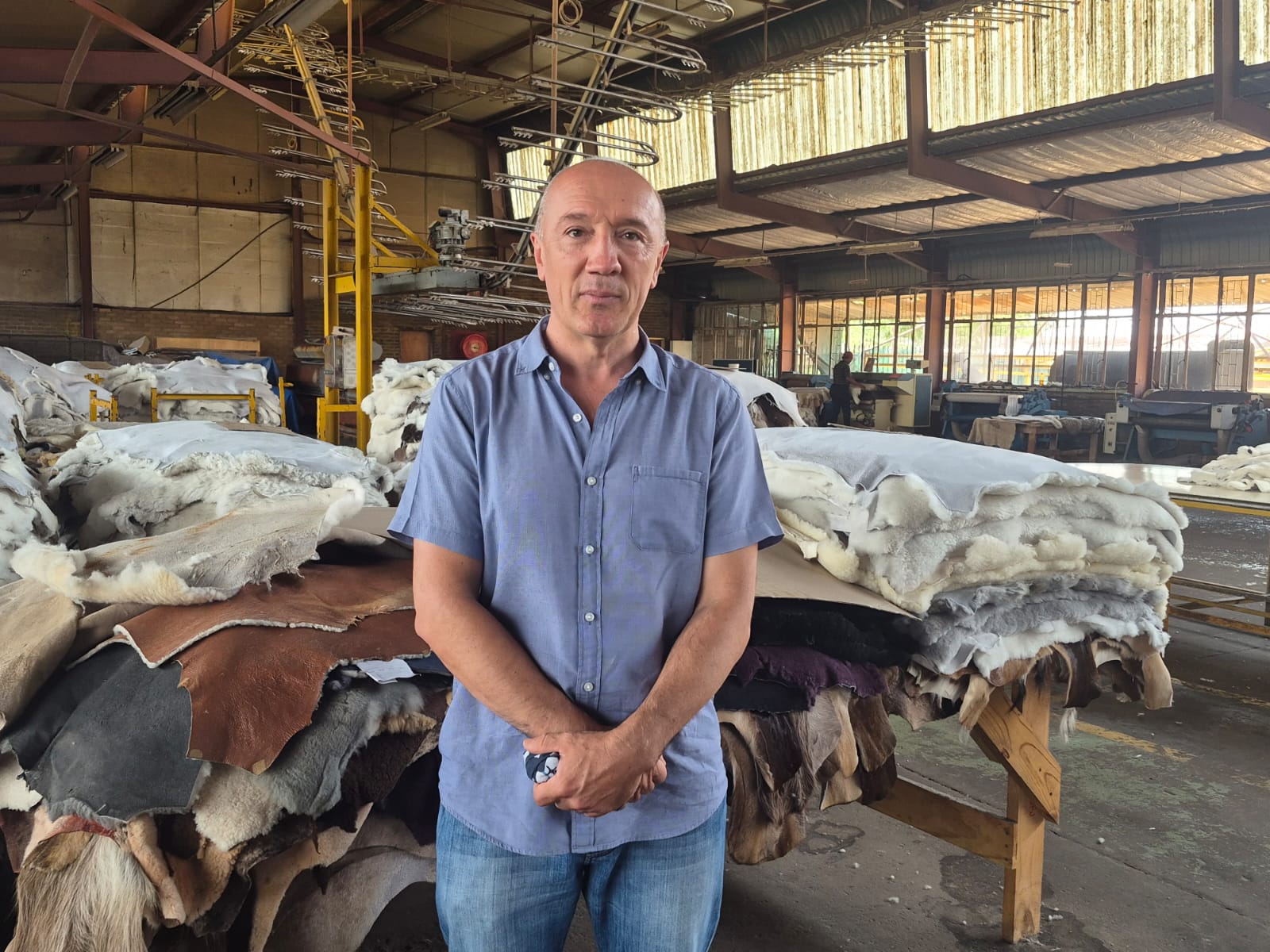
When Simo Simov’s family came from Bulgaria shortly after the turn of the century to explore the possibility of starting a wool-on merino sheepskin tannery in South Africa, they did their homework.
They considered a factory in Ekandustria, an industrial park near Bronkhorstspruit, East of Pretoria.
Labour was readily available, the substation feeding electricity had spare capacity and back-up transformers, and the local Zithobeni Water Treatment Facility had good quality and enough purified water.
Read: Ekandustria: How to kill an industrial growth point SA’s deindustrialisation: Continental shuts up shop, Durban’s port woes
The utilities infrastructure was in a good condition with sufficient redundancy.
After completing the feasibility study and weighing up the pros and cons, the family arrived in South Africa with 43 40-foot containers of equipment – representing an investment of over $1 million at the time.
Running the family’s two tanneries in Bulgaria wasn’t the easiest in the 2000s due to foot-and-mouth disease outbreaks in Western Europe, new legislation related to joining the European Community, and the sharply increasing cost of raw material.
Afromerino Produce was established, and the equipment was installed in the factory they rented from the Mpumalanga Economic Growth Agency (Mega) in Ekandustria.
“We waited six months for the site. There was a waiting list,” says Simov.
Opening of the article, excerpted from Moneyweb. To read the rest, open the article on the publisher's site.
MarketNews shows the headline and summary published by the outlet. The full article is on the publisher's website. (www.moneyweb.co.za)