They migrated to New York for work. Now they’re fighting to climate-proof it.
Detailed summary
The worse the weather gets, the more delivery riders work. Can they teach the city how to adapt against climate-fueled disasters?
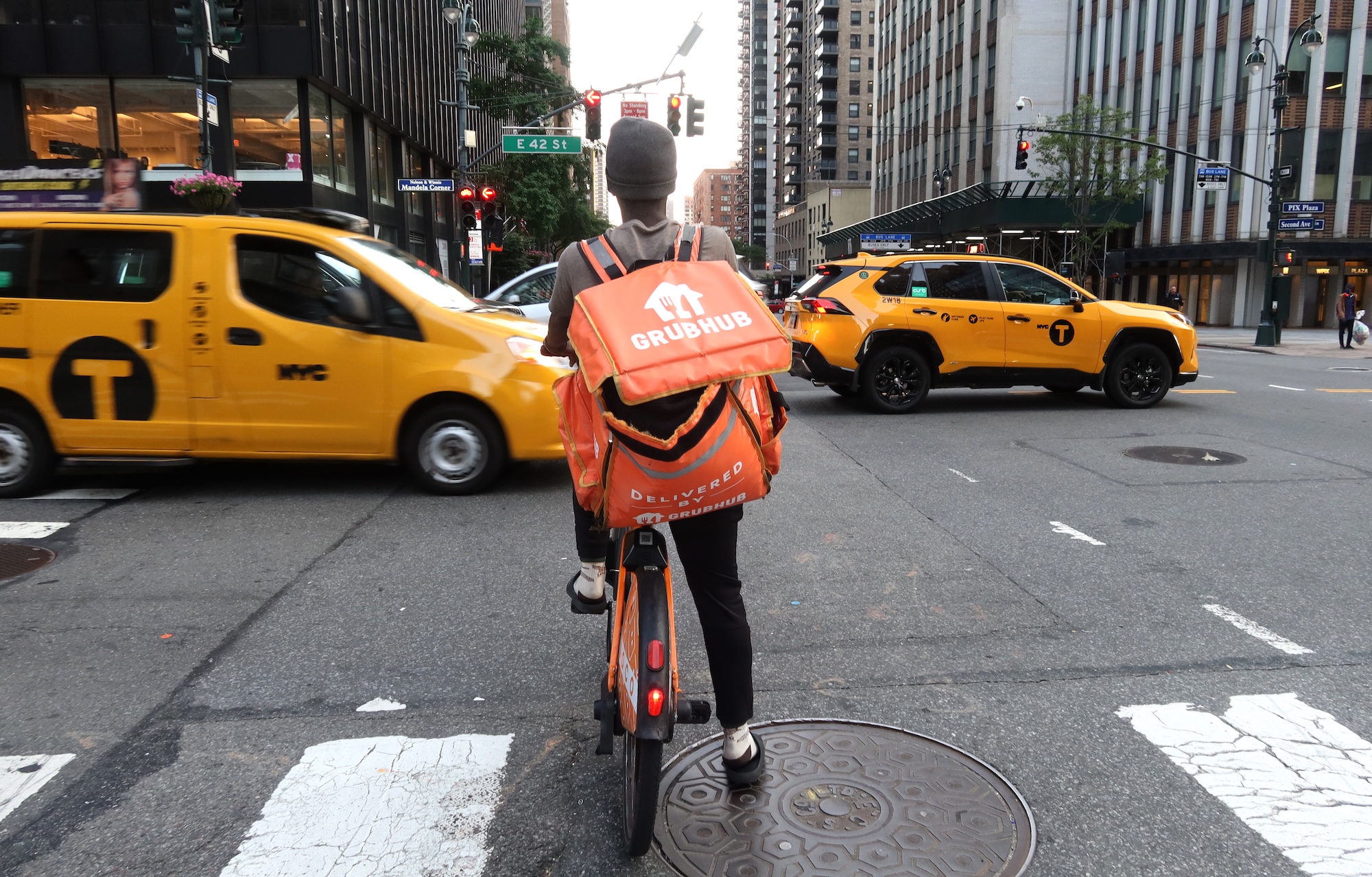
Earlier this year, riding his e-bike through New York City’s bustling streets on a sweltering July afternoon, José Yos began to smell smoke. It wasn’t coming from a nearby burning building or a beat-up yellow cab. Instead, the smell came from hundreds of miles away in Canada. Raging wildfires in Quebec had sent a cloud of thick, smoky air toward the city, blanketing it in a strange orange haze.
It wasn’t the first time Yos, a 40-year-old from Guatemala who delivers food and groceries on apps like DoorDash, had experienced this. In 2023, Canada had its worst wildfire season on record, with around 37 million acres (15 million hectares) of land going up in flames. Wildfire smoke traveled down from Quebec to New York, polluting the air and turning the skies a deep shade of orange. This summer, though, the city was also in the middle of a heat emergency — its second in as many weeks. The temperature was projected to reach close to 100 degrees Fahrenheit that day, and the heat index — the day’s real feel temperature — was supposed to be even higher.
In response to the extreme weather double whammy, the city had sent cooling vans around the city, opened additional cooling centers and urged New Yorkers to stay home, ideally in air conditioning. But Yos was on the clock. He couldn’t afford to go home or take a real break. He had reserved his hours on Uber Eats a week in advance and was worried that if he took longer than usual to fulfill orders, his in-app rating would go down, putting him at risk of being deactivated.
Before the enactment of the city’s deactivation protection bill in January 2026, a worker could be deactivated from an app without cause and with little recourse. Now, the apps are required to give 72 hours’ notice before deactivating a worker’s account, and workers have the right for the deactivation to be investigated. Still, workers don’t want to risk going through the hassle of a deactivation if they can avoid it.
Too much was at stake. So, undeterred by the…
Y…
Opening of the article, excerpted from Grist. To read the rest, open the article on the publisher's site.
MarketNews shows the headline and summary published by the outlet. The full article is on the publisher's website. (grist.org)