Where in Europe could electric ferries create cleaner travel routes?
Résumé détaillé
Battery-powered ferries could make some European crossings cleaner and offer an alternative to flying, if ports can deliver enough low-carbon electricity between sailings. The…
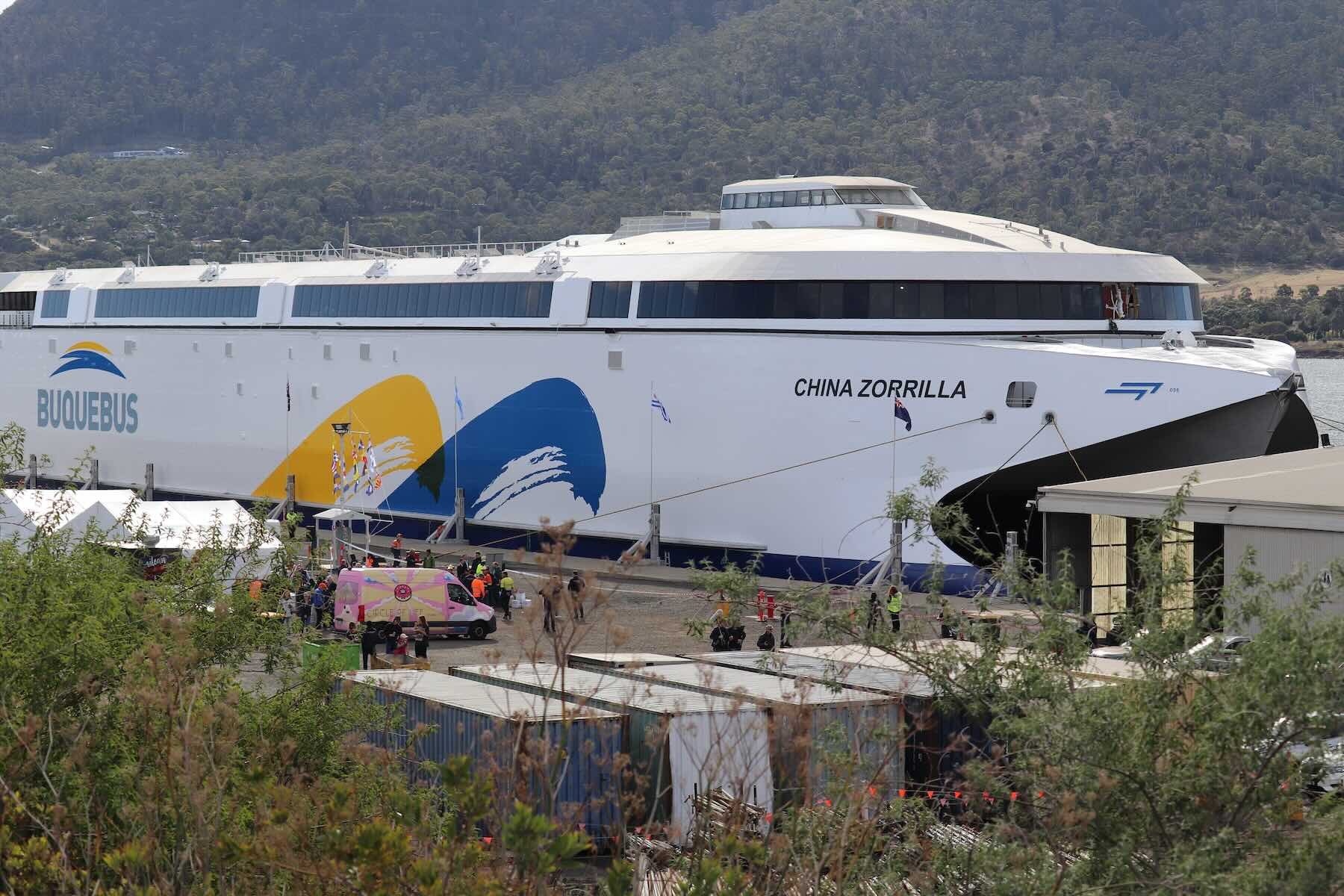
Electric battery-powered ferries use electricity from the shore to charge batteries on board. These batteries supply electric motors that propel the ship. On suitable routes, low-carbon electricity could make sea travel substantially cleaner and strengthen its potential as an alternative to flying.
In June 2025, Finnish ferry operator Viking Line unveiled its Helios concept, outlining plans for a fully electric passenger-and-car ferry between Helsinki and Tallinn. The proposed vessel, designed to carry around 2,000 passengers and 650 cars, would be powered by batteries with a capacity of 85–100 megawatt-hours (MWh).
The Nordic shipping company that operates a fleet of ferries between Åland, mainland Finland, Sweden and Estonia, envisages a journey of just over two hours across the Gulf of Finland, supported by high-capacity charging at both ends of the travel route.
The required charging power would be tens of megawatts at both ports. Helios remains under development. Although Viking Line announced it as fully electric in 2025, an April 2026 interview with its chief executive described a revised design that could include generators for operational flexibility and electricity-price management. The company confirmed that work is continuing on Helios in October 2026.
The principle behind an all-electric battery-powered ferry is relatively straightforward. Like an electric car, the vessel stores electricity in rechargeable batteries and uses electric motors for propulsion. Rather than burning fuel continuously at sea, it draws power from the batteries and recharges them via shore-based charging systems during port calls.
The difference lies in the required energy scale. A large ferry must propel a heavy vessel through water while supplying electricity for navigation, lighting, ventilation, heating, catering and other onboard services. Its batteries must also provide sufficient reserves to accommodate variations in weather, sea conditions and operating schedules.
For a large…
V…
Début de l'article, extrait de The Driven. Pour lire la suite, ouvrez l'article chez le média.
MarketNews présente le titre et le résumé publiés par le média. L'article complet se lit sur le site de l'éditeur. (thedriven.io)