Thaksin or the generals? Recasting blame for the Tak Bai massacre
Detailed summary
HAT YAI – When Thaksin Shinawatra asked a government committee in October to wipe his political slate clean, his most conservative critics in the Bangkok press combed through his…
HAT YAI – When Thaksin Shinawatra asked a government committee in October to wipe his political slate clean, his most conservative critics in the Bangkok press combed through his record to make the case against him. And few, if any, of them mentioned Tak Bai.
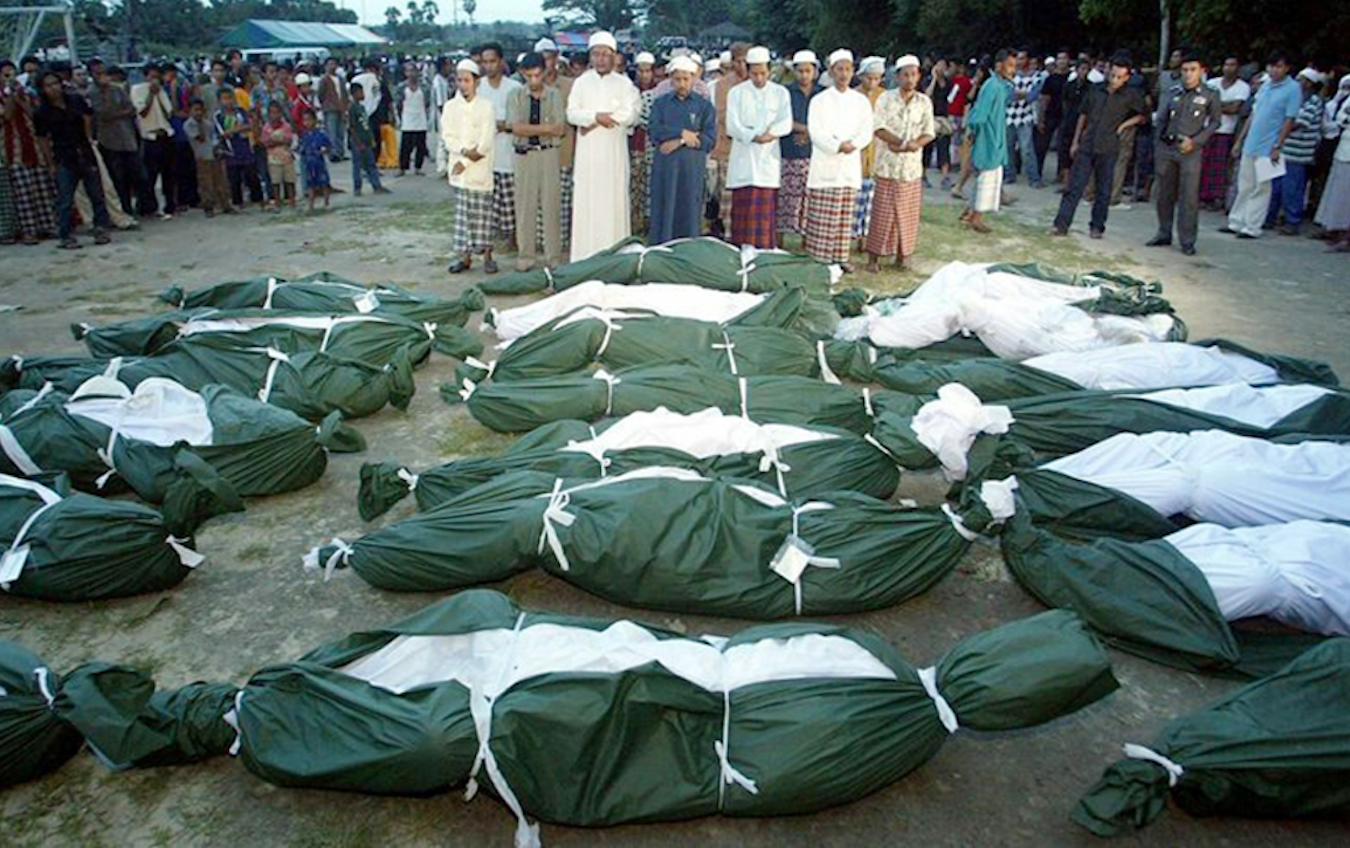
In October 2004, while Thaksin was prime minister, security forces broke up a protest by Malay Muslim villagers outside the police station in that Narathiwat border district. Seven were shot dead; 78 more died stacked in army trucks, in what is widely regarded as one of the worst episodes of state violence in modern Thai history. For most of the years since, Tak Bai had been a core charge against him. His hard-line policies, if not his direct orders, were widely held to blame and that charge helped justify the coup that removed him in 2006.
Among the accused was Pisarn Wattanawongkiri, who at the time of Tak Bai commanded the Fourth Army, responsible for the South, and was then a Pheu Thai parliamentarian. Hailed at first as a long-overdue step toward justice, the case soon turned into a spectacle.
Pisarn was widely reported to have fled the country, none of the accused ever appeared and the case lapsed. Thaksin and his daughter’s government came under heavy criticism for letting an accused general from their own party slip away, but little of it reached back to his own role as prime minister 20 years earlier. Only his most conservative critics, in the press and among his old political enemies, still laid the massacre at his door. But this October, even they barely cited it, if at all.
Little new evidence about Tak Bai has come to light since 2004, and nothing to date shows exactly who gave the orders. Yet the blame has moved, unacknowledged, from Thaksin to the military or, at times, simply “the state,” rarely with anyone named beyond the commanders already charged. Part of the shift likely reflects what the capital and its public intellectuals came to see as the larger threat.
Two coups, nearly a decade of…
But…
Opening of the article, excerpted from Asia Times. To read the rest, open the article on the publisher's site.
MarketNews shows the headline and summary published by the outlet. The full article is on the publisher's website. (asiatimes.com)