Malaysia once opposed Apec in 1989, but strategic engagement is bringing enormous benefits — Phar Kim Beng
Detailed summary
When the Asia-Pacific Economic Cooperation (Apec) forum was established in 1989, Malaysia under then Prime Minister Dr Mahathir Mohamad was deeply sceptical of ...
NOVEMBER 19 — When the Asia-Pacific Economic Cooperation (Apec) forum was established in 1989, Malaysia under then Prime Minister Dr Mahathir Mohamad was deeply sceptical of its strategic intentions.
Malaysia feared that Apec could become an instrument through which larger Pacific powers, especially the United States, Australia and Japan, would exercise disproportionate influence over the economic destiny of Southeast Asia.
There were also concerns that Apec could dilute the centrality of Asean, which Malaysia had helped establish in 1967.
Thirty-seven years later, the strategic landscape has changed dramatically.
Malaysia has not merely participated in Apec. It has learned to derive considerable diplomatic, commercial and strategic benefits from the forum.
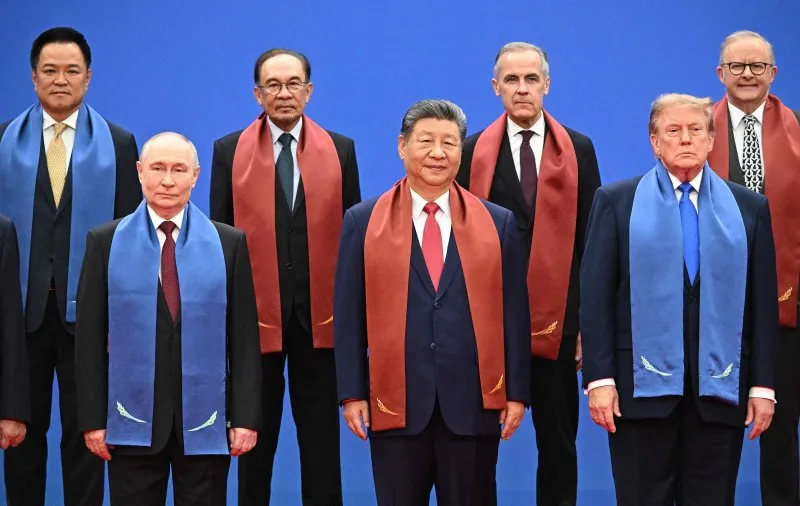
Indeed, the latest exchanges between United States President Donald Trump and Chinese President Xi Jinping at Apec demonstrate why Malaysia must continue to broaden and deepen its engagement with all major powers.
At the outset, Malaysia’s objections to Apec were not without justification.The Cold War was ending.
The United States was emerging as the world’s predominant superpower. Japan remained an economic powerhouse, while China had only begun its remarkable economic transformation.
Asean countries feared that their collective interests could be overwhelmed by the economic weight of the larger Pacific economies.
Opening of the article, excerpted from Malay Mail. To read the rest, open the article on the publisher's site.
MarketNews shows the headline and summary published by the outlet. The full article is on the publisher's website. (www.malaymail.com)