Isolated Amazon indigenous group makes rare contact
Résumé détaillé
Isolated Awa Indigenous group makes rare contact in Brazil’s Amazon as health fears grow amid forest destruction. Read more at straitstimes.com.
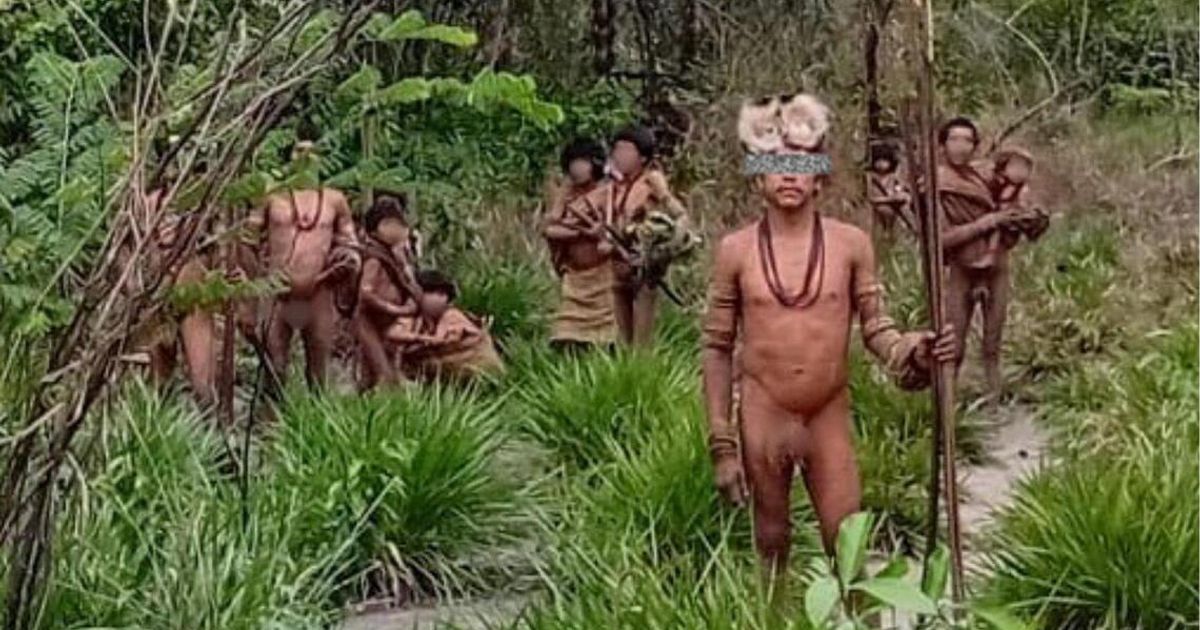
People identified as members of the uncontacted Awa indigenous group appear in a location given as Arariboia Indigenous Territory, Maranhao State, Brazil.
Community members in a Brazilian village in the Amazon rainforest were astonished this week to see a group of isolated Indigenous people emerge from the brush and ask for food, government officials said.
On the morning of Nov 16, a group of Indigenous Awa people made rare contact with the villagers, according to a statement from Brazil’s Ministry of Indigenous Peoples. The encounter raised fears that decades of illicit deforestation, cattle ranching and hunting have pushed the forest’s inhabitants to a breaking point.
It was the first time in recent memory that a group of Awa had willingly left their isolated lives to make contact, said Sarah Shenker, a campaigner at the Indigenous rights group, Survivor International.
“They’ve shown so clearly for so long that they don’t want contact with outsiders,” said Shenker, who has visited the area regularly since 2010. “So this moment is really alarming.”
Videos and images of the Awa, taken by community members and shared by Survivor International, a UK-based group, show adults and children huddled near the edge of the forest in the north-eastern Brazilian state of Maranhão. Some are bearing necklaces and headdresses, or holding spears. In all, they numbered around 20, the rights group said.
The Awa initially approached nearby officers from FUNAI, a government agency that supports Indigenous communities, officials said.
Communicating through gestures, the Awa asked for yams, which they brought back into the forest, Shenker said. Some members of the Awa group continued to come and go in the following days, she said.
Lacking both exposure to common pathogens and vaccinations, Shenker said, the Awa were vulnerable to any diseases they might catch from the Guajajara. That is a larger group of Indigenous people in Maranhão.
Début de l'article, extrait de The Straits Times. Pour lire la suite, ouvrez l'article chez le média.
MarketNews présente le titre et le résumé publiés par le média. L'article complet se lit sur le site de l'éditeur. (www.straitstimes.com)