Wartime memory shows China-Russia ties far from ‘limitless’
Detailed summary
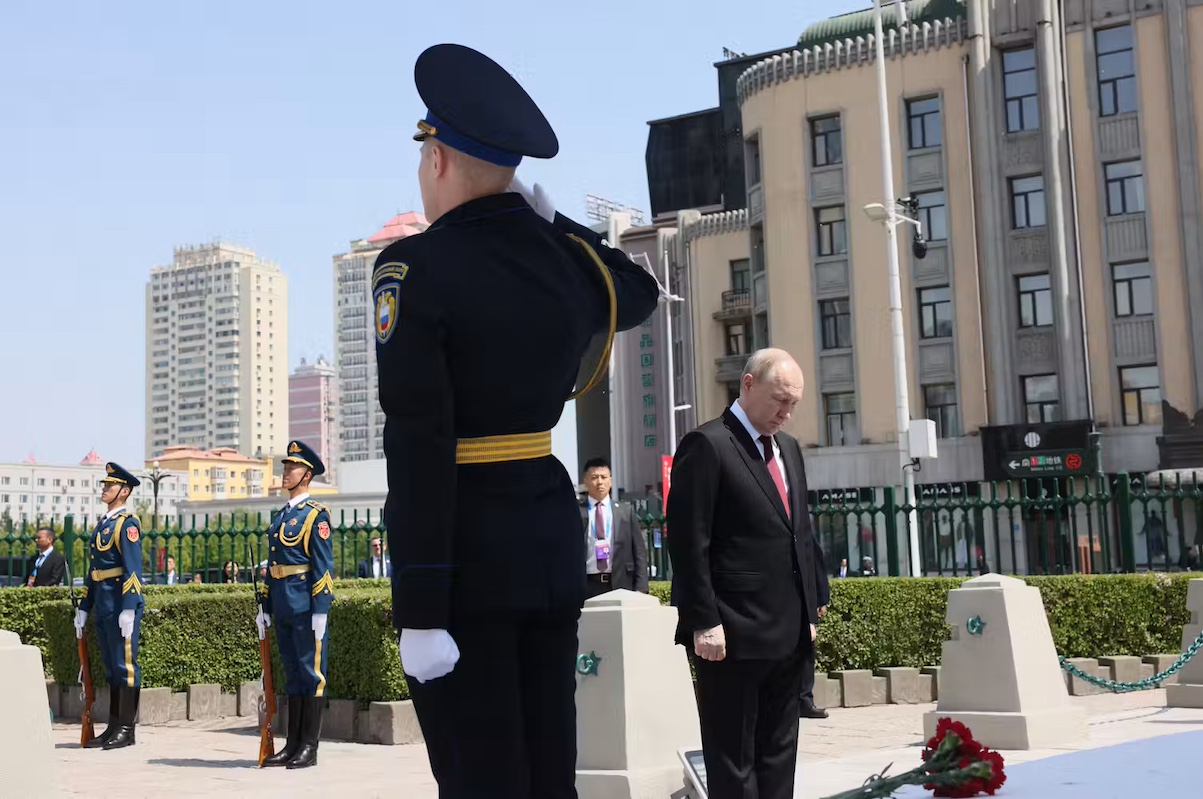
For more than a decade, China and Russia have sought to align their official memories of the Second World War. They have staged prominent joint commemorations and military…
For more than a decade, China and Russia have sought to align their official memories of the Second World War. They have staged prominent joint commemorations and military parades, while also coordinating remembrance dates and harmonizing their official discourses about the war.
The latest example of this “memory alliance” came in September when the Chinese and Russian ambassadors to New Zealand, Wang Xiaolong and Stanislav Krans, published a joint opinion article in the NZ Herald to mark the 81st anniversary of the war’s end.
Their article insisted the lessons of the war must not be forgotten. They said this entails safeguarding the UN-centered international order and rejecting historical revisionism that downplays Chinese and Russian sacrifices or glosses over Nazi and fascist atrocities.
China and Russia’s memory alliance serves two main purposes. First, it deepens the supposedly “limitless” partnership between the two countries. Second, it forms the basis for them to defend what they regard as the foundations of the post‑war global order.
In their view, the core principles of the global order that emerged from the Second World War are multilateralism, sovereignty and non‑interference in other countries’ internal affairs. They claim these hard-won gains are being undermined by what they portray as US‑led Western arrogance, aggression and unilateralism.
For Beijing, this perceived subversion has taken the form of semiconductor export bans, tariffs on Chinese EVs, efforts to contain China’s influence in the Indo-Pacific and Japan’s growing military role in the region. China also views western support for Taiwan, which reverted to Chinese control after Japan’s defeat in 1945, as a violation of the post-war order.
For Moscow, the threat comes from NATO’s enlargement, perceived Western interference in Ukraine culminating in President Viktor Yanukovych’s ousting in 2014 and the global sanctions regime imposed after the full-scale invasion of Ukraine.
Invoking the “scourge”…
Fi…
Opening of the article, excerpted from Asia Times. To read the rest, open the article on the publisher's site.
MarketNews shows the headline and summary published by the outlet. The full article is on the publisher's website. (asiatimes.com)