What's behind Tesla's steering and suspension WOF figures?
详细摘要
Steering and suspension issues are the main reason Teslas are failing warrants of fitness, accounting for almost a third of all failures. But experts say the explanation is more…
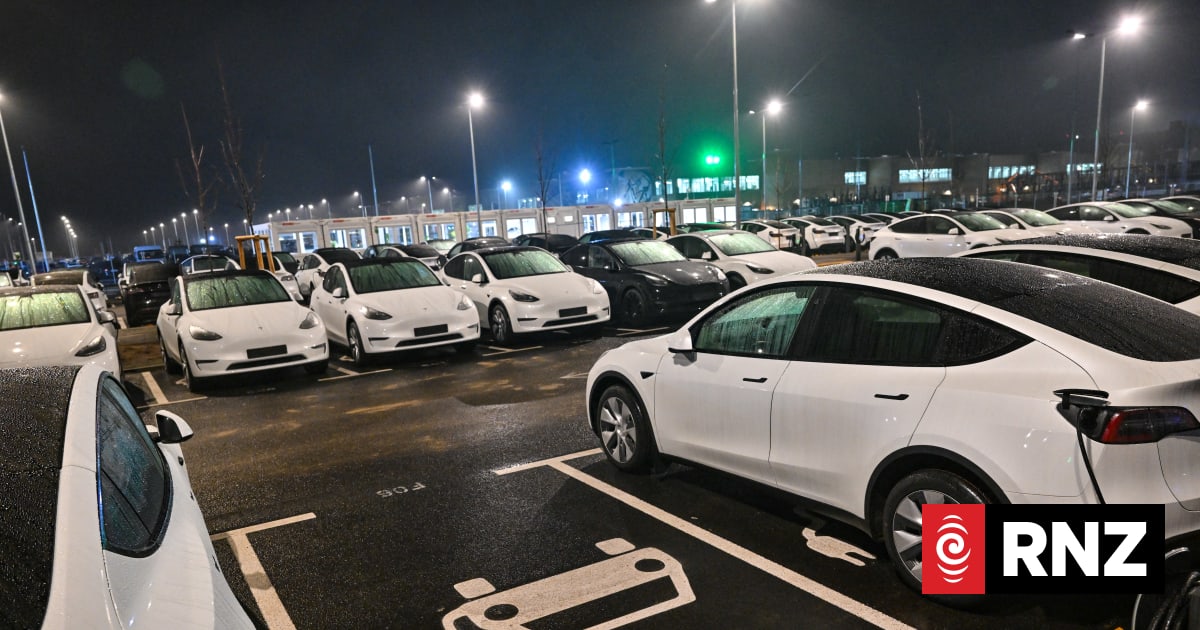
Steering and suspension issues are the main reason Teslas are failing warrants of fitness, accounting for almost a third of all failures. But experts say the explanation is more complicated than it may seem.
After receiving 156 complaints alleging suspension failure in Tesla vehicles, the US Department of Transportation opened a preliminary investigation.
Data obtained by First Up from the New Zealand Transport Agency shows steering and suspension is the main reason Teslas failed warrants of fitness.
In comparison, suspension failures for Nissan EVs were eight percent and BYD vehicles had a failure rate of 6 percent.
But Jeff Smit - the founder of the EV & Hybrid Network in Australia, who has a workshop in Sydney specialising in EVs and hybrids - said there was no particular issue with Tesla's suspension when compared to other makes or models.
But he said the data did show that Teslas were not serviced as frequently as others.
On its website, Tesla said it designed every vehicle with the goal of eliminating the need for service.
Nissan and BYD say their vehicles must be serviced every 20,000 kilometers, or every 12 months.
Smit also observed that Tesla drivers tended to drive their vehicles more aggressively.
文章开头,摘自RNZ。如需阅读全文,请前往媒体网站。
MarketNews 仅展示媒体发布的标题和摘要,全文请在出版方网站阅读。 (www.rnz.co.nz)